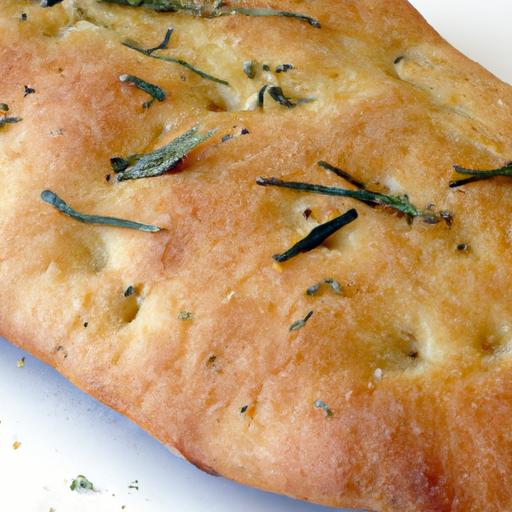


There’s something truly magical about the simple pleasures in life, and few things capture that essence better than a rustic homemade focaccia. Imagine pulling from your oven a golden, airy loaf, its crust perfectly crisp and generously sprinkled with fragrant rosemary and sparkling sea salt. This humble Italian bread, with its rich history and soul-satisfying flavors, transforms everyday ingredients into a culinary delight that can elevate any meal or steal the spotlight as a snack on its own. Join us as we delve into the art of crafting this Rosemary & Sea Salt Delight where tradition meets taste and your kitchen becomes a haven of warm, savory comfort.
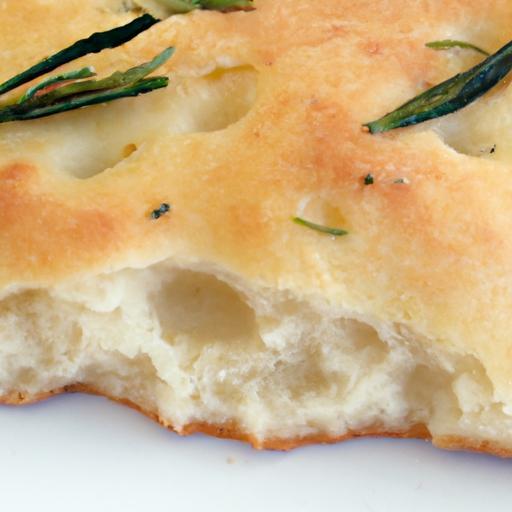
Rustic homemade focaccia embodies the soul of Italian baking a tender, airy crumb beneath a delectably crispy crust, kissed by fragrant rosemary and a sprinkle of coarse sea salt. This timeless bread, rooted in Ligurian traditions, transports you with each bite to sun-dappled Mediterranean hillsides and bustling piazzas. Crafting this Rustic Homemade Focaccia: Rosemary & Sea Salt Delight will not only enrich your baking repertoire but also fill your kitchen with an irresistible aroma that lingers long after the last crumb is gone.
Prep and Cook Time
- Preparation: 20 minutes
- First Rise: 1 hour 30 minutes
- Final Proof: 30 minutes
- Baking: 25-30 minutes
- Total Time: Approximately 2 hours 45 minutes
Yield
- 1 large focaccia (about 10″ x 14″)
- Serves 6-8 as an appetizer or accompaniment
Difficulty Level
- Intermediate – Perfect for those with some bread-making experience eager to elevate their skills
Ingredients
- 3 ½ cups all-purpose flour, sifted
- 1 ¼ cups warm water (about 110°F / 43°C)
- 1 packet (2 ¼ tsp) active dry yeast
- 2 tsp granulated sugar
- 1 tbsp kosher salt
- ¼ cup extra virgin olive oil, plus more for drizzling
- 2 tbsp fresh rosemary, finely chopped
- 1 ½ tsp coarse sea salt (preferably flaky Maldon or Celtic)
Instructions
- Activate the yeast: In a small bowl, combine warm water, sugar, and yeast. Stir gently and let it sit for 5-10 minutes until frothy and bubbly, indicating the yeast is alive and ready.
- Prepare dough: In a large mixing bowl, whisk together the flour and kosher salt. Create a well in the center and slowly pour in the yeast mixture and ¼ cup olive oil. Using a wooden spoon or your hands, mix until a shaggy dough forms.
- Knead to develop structure: Turn dough onto a lightly floured surface and knead for 8-10 minutes until smooth, elastic, and slightly tacky. If the dough sticks excessively, sprinkle flour sparingly-retaining some moisture is essential for softness.
- First proof: Lightly oil a large bowl and place the dough inside, turning once to coat. Cover with a damp kitchen towel or plastic wrap and let rise in a warm, draft-free space for 1 hour and 30 minutes, or until doubled in size.
- Prepare the pan: Grease a 10″ x 14″ baking sheet generously with olive oil. Gently punch down the dough, then transfer and stretch it into the pan. Don’t worry if it resists; let it rest for 10 minutes and try again until the dough fills the pan evenly.
- Create dimples: With well-oiled fingertips, press into the dough to form characteristic deep dimples all over the surface, which trap olive oil during baking, adding flavor and texture.
- Final proof: Sprinkle the fresh rosemary evenly across the dough. Cover the pan loosely with plastic wrap and allow the dough to rise for another 30 minutes until puffy.
- Season and drizzle: Preheat oven to 450°F (232°C). Just before baking, drizzle 2 tablespoons of extra virgin olive oil over the dough and generously scatter the coarse sea salt on top for that perfect salty crunch.
- Bake: Place the pan on the middle rack of the oven and bake for 25-30 minutes until golden-brown and crisp along the edges. The crust should sound hollow when tapped.
- Cool and serve: Remove from oven and transfer to a wire rack. Let cool slightly before slicing, allowing the crumb to set beautifully.
Chef’s Notes: Tips for Success with Rustic Homemade Focaccia
- Flour choice: All-purpose flour yields a tender crumb, but for a chewier texture, substitute up to 50% bread flour.
- Room temperature water: Ensure your water is warm but not hot, or you risk killing the yeast. Aim for about 110°F (43°C).
- Hydration balance: Focaccia dough should be wetter than typical bread dough don’t be afraid of some stickiness; this contributes to an open crumb.
- Flavor variations: Experiment with other fresh herbs like thyme or sage alongside rosemary. For an extra umami kick, add caramelized onions or roasted garlic.
- Make-ahead: Dough can be refrigerated overnight after the first rise. Bring it back to room temperature and proceed with shaping and final proofing for a deeper flavor.
- Sea salt choice: Use coarse or flaky sea salt to maintain textural contrast and avoid overly salty bites that fine salt may cause.
Serving Suggestions
Slice your Rustic Homemade Focaccia: Rosemary & Sea Salt Delight into generous squares or strips. Serve warm alongside a bowl of robust tomato soup or use it as a rustic base for a fresh Caprese salad. Drizzle with a touch more olive oil and garnish with sprigs of fresh rosemary for a visual and aromatic uplift. For entertaining, present with an assortment of olive tapenades, marinated olives, and a selection of cheeses to transform your bread into a centerpiece of irresistible Mediterranean flavors.
| Nutrient | Per Serving (1 slice) |
|---|---|
| Calories | 220 kcal |
| Protein | 5 g |
| Carbohydrates | 30 g |
| Fat | 8 g |

Explore more artisanal bread recipes in our Artisanal Breads Collection and learn how mastering flour transforms your baking. For yeast science and tips, trust the experts at the King Arthur Baking Company who provide invaluable resources to perfect your rustic homemade focaccia technique.
Q&A
Q&A: Rustic Homemade Focaccia: Rosemary & Sea Salt Delight
Q1: What makes focaccia “rustic” compared to regular bread?
A1: Rustic focaccia embraces simplicity and texture think an airy, chewy crumb dotted with gently blistered golden crusts. It’s less about perfection and more about character: uneven bubbles, a slightly rough surface dimpled by your fingertips, and an aroma that transports you to a sun-dappled Italian countryside kitchen.
Q2: Why is rosemary such a perfect herb for focaccia?
A2: Rosemary’s piney, earthy notes beautifully complement the subtle sweetness of the olive oil laden dough. It’s a fragrant partner that infuses every bite with an herbal brightness, elevating the humble focaccia from everyday bread to something truly special.
Q3: How does sea salt enhance the focaccia experience?
A3: Sprinkling flaky sea salt atop the dough before baking creates delightful bursts of savory crunch. It contrasts with the bread’s soft interior and heightens the rosemary’s flavor. The crystals also catch the light like tiny jewels, adding rustic charm and visual appeal.
Q4: What’s the secret to achieving that classic focaccia dimpled surface?
A4: The dimples aren’t just a signature look they trap pockets of oil and seasoning, keeping the focaccia moist and flavorful. Use your fingertips to gently press into the dough after its final rise, creating evenly spaced indentations without deflating the air bubbles beneath.
Q5: How long should I let the dough rise for authentic rustic focaccia?
A5: Patience is key. A slow, long rise ideally two to three hours at room temperature helps develop gluten structure and flavor complexity. For even deeper taste, try an overnight rise in the fridge, allowing natural fermentation to bring rustic nuances to the forefront.
Q6: Can I customize this focaccia with other ingredients without losing its rustic charm?
A6: Absolutely! Add toppings like thinly sliced cherry tomatoes, caramelized onions, or a scattering of olives for extra character. Just remember to keep the olive oil generous and maintain the rosemary and sea salt base, which form the heart of this rustic delight.
Q7: What’s the best way to enjoy homemade rosemary and sea salt focaccia?
A7: Enjoy it warm, fresh from the oven, with a drizzle of good quality olive oil or alongside a vibrant Mediterranean salad. It’s also excellent as a sandwich bread, but truly, its rustic simplicity shines best when eaten with bare hands, savoring the herb-scented crumbs.
Q8: Can I freeze focaccia dough or baked focaccia to enjoy later?
A8: Yes! Freeze the dough after its initial rise wrapped tightly in plastic wrap for up to two weeks. When ready, thaw and let it rise again before baking. Baked focaccia freezes well too reheat gently in the oven for a few minutes, and you’ll recapture that fresh-baked magic.
Q9: What kind of olive oil works best for rustic focaccia?
A9: Choose a high-quality extra virgin olive oil with a fruity, peppery profile. It enriches the dough and forms a luscious base for the rosemary and sea salt. Don’t be shy-liberally oil the pan and brush the dough to create that luxurious crust and moist crumb.
Q10: Any tips for achieving the perfect crust on focaccia?
A10: A hot oven (around 425°F/220°C) and a generous coating of olive oil are your best friends. The oil helps crisp the bottom and edges, while the high heat encourages blistering on top. Resist the urge to cover during baking to let the crust develop that signature rustic crunch.
Wrapping Up
As the warm, golden crust of your rosemary and sea salt focaccia emerges from the oven, you hold more than just a loaf you cradle a timeless tradition, rustic charm, and the simple joy of homemade bread. This delightful recipe invites you to slow down, savor the aromatic dance of rosemary and the subtle crunch of sea salt, and share a moment of wholesome goodness with loved ones.
Whether served alongside a comforting soup or enjoyed on its own, this focaccia embodies the heart of rustic baking: honest ingredients, unhurried preparation, and a taste that feels like home. So next time you crave something both humble and extraordinary, remember that a little flour, fresh herbs, and a sprinkle of sea salt can transform your kitchen into a fragrant haven. Happy baking!