
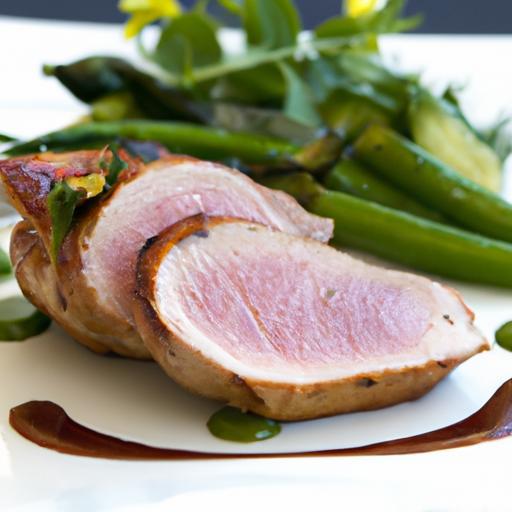

There’s a certain allure to the sizzle of duck breast hitting a hot pan the promise of crisp, golden skin crackling under your fork, giving way to tender, juicy meat that bursts with rich, savory flavor. Mastering the art of pan-seared duck breast is a culinary journey that marries technique with intuition, elevating this luxurious ingredient to new heights of crisp perfection.
In this guide, we’ll explore the secrets behind achieving that flawless sear, balancing bold seasoning with the bird’s natural richness, and turning a simple skillet into a stage for flavor fireworks. Whether you’re a seasoned chef or an adventurous home cook, get ready to unlock the irresistible taste and texture that make pan-seared duck breast a showstopper on any plate.
Crisp Perfection: Mastering Pan-Seared Duck Breast Flavor begins with understanding the balance of heat, texture, and ingredient quality that turns an ordinary meal into an extraordinary culinary experience. This dish invites you to explore the enticing contrast between richly savory, tender duck meat and irresistibly golden, crispy skin a hallmark of refined kitchen craft cherished in French cuisine and beloved worldwide.
Prep and Cook Time
Preparation: 15 minutes
Cooking: 20 minutes
Yield
Serves 2 people
Difficulty Level
Medium – Ideal for cooks comfortable with pan-searing and heat control
Ingredients
- 2 duck breasts (about 6 oz each), skin-on and trimmed of excess fat
- 1 teaspoon kosher salt
- ½ teaspoon freshly ground black pepper
- 1 teaspoon five-spice powder (optional for subtle aromatics)
- 1 tablespoon vegetable oil (high smoke point like grapeseed or canola)
- 2 sprigs fresh thyme
- 2 cloves garlic, smashed
- 1 tablespoon unsalted butter
- Fresh microgreens or parsley for garnish
- 1 teaspoon freshly squeezed lemon juice (optional bright finish)
Step by Step Techniques for Pan-Seared Duck Breast Excellence
- Score the skin: Using a sharp knife, lightly score the duck breast skin in a crosshatch pattern without cutting into the flesh to allow fat to render effectively and create crispy skin.
- Season: Evenly sprinkle the duck breasts with salt, pepper, and five-spice powder on both sides. Let them rest at room temperature for 10-15 minutes to enhance flavor absorption.
- Preheat the pan: Heat a heavy-bottomed skillet over medium-low heat. Add vegetable oil once warm.
- Render the fat: Place duck breasts skin-side down in the pan without overcrowding. Cook slowly for about 10-12 minutes, pressing gently with a spatula to maintain contact. Watch as the fat bubbles and skin transforms into a deep golden, crackling crust.
- Flip and flavor: Turn breasts over and sear the flesh side for 4-5 minutes over medium heat until the internal temperature reaches 130°F for medium-rare. During the last 2 minutes, add butter, thyme, and garlic to the pan. Spoon the aromatic butter over the duck repeatedly this technique, called “basting,” locks in juicy flavors and infuses the meat.
- Rest the meat: Remove duck from pan and let it rest for 5-7 minutes covered loosely with foil. Resting ensures juices redistribute, making every bite tender and flavorful.
- Serve and garnish: Slice the duck breast thinly against the grain. Plate artfully with a sprinkle of microgreens and a light drizzle of lemon juice to brighten the richness.
Chef’s Notes and Tips for Success
- Choosing your duck: Preferably buy fresh, farm-raised duck breast (look for plump, firm texture and unblemished skin) to maximize flavor depth and tenderness.
- Temperature matters: Accurate cooking temperature ensures safety and doneness use a meat thermometer to hit the ideal medium-rare range for duck.
- Rendering patience: Don’t rush the fat rendering process by cranking the heat low and slow wins crispy skin without burning.
- Make-ahead tip: You can score and season the duck breasts a day ahead. Keep refrigerated and bring to room temperature before cooking.
- Substitutions: If avoiding butter, substitute with extra vegetable oil or refined coconut oil for basting.
Flavor Enhancements and Serving Suggestions
To elevate this crisp pan-seared duck breast dish further, pair it with a variety of sides and flavor contrasts:
- Accompaniments like roasted root vegetables (carrots, parsnips) or a vibrant red cabbage slaw add sweetness and crunch.
- A silky parsnip purée or creamy mashed cauliflower provides a luxurious textural partner.
- Bright, tart elements such as a homemade berry reduction (using fresh blackberries or cranberries) or a citrus chutney bring balance.
- For garnish, scatter toasted hazelnuts or pomegranate seeds to introduce both flavor complexity and visual appeal.
- Serve alongside a light, peppery arugula salad with a lemon vinaigrette to cut through the richness.
| Nutrient | Per Serving |
|---|---|
| Calories | 450 kcal |
| Protein | 38 g |
| Carbohydrates | 4 g |
| Fat | 34 g |

For further inspiration on cooking duck and other poultry techniques, visit the Serious Eats expert guide. Enhance your skills and confidence with each delicious sear!
Explore how pairing duck breast with complementary side dishes transforms casual meals into celebrated feasts by checking out our roasted root vegetables recipe as a perfect companion.
Q&A
Q&A: Crisp Perfection – Mastering Pan-Seared Duck Breast Flavor
Q1: What makes pan-searing the ideal method for cooking duck breast?
A1: Pan-searing locks in the rich, gamey flavor of duck breast while rendering its fat to achieve a crackling, golden-brown crust. This technique balances a crispy exterior with a juicy, tender interior, creating a harmonious texture that highlights the meat’s natural depth.
Q2: How important is the duck skin in achieving crispiness, and how should it be prepared?
A2: The skin is the star of the show. Scoring it in a crosshatch pattern allows the fat to melt evenly during cooking, preventing shrinkage and promoting crispiness. Start the duck breast skin side down over medium heat to slowly render the fat, transforming the skin into a beautifully crisp layer.
Q3: Should the duck breast be cooked at a high temperature from the start?
A3: No, beginning at a moderate temperature is crucial. Searing too hot initially risks burning the skin before the fat has rendered. Gradual heating encourages even cooking and golden crispiness without sacrificing the meat’s juiciness.
Q4: How can one tell when the duck breast is perfectly cooked?
A4: A perfectly cooked duck breast has a deep golden crust and a warm, rosy interior, typically medium-rare at 135°F (57°C). Use a meat thermometer for accuracy or press the center gently it should feel firm but springy.
Q5: Are there flavor pairings that especially complement seared duck breast?
A5: Duck’s robust flavor thrives alongside fruit-based sauces such as orange, cherry, or blackberry, which provide a vibrant contrast. Earthy accompaniments like mushrooms or caramelized root vegetables also create layers of complexity that enhance the experience.
Q6: What common mistakes should be avoided when pan-searing duck breast?
A6: Avoid skipping the step of scoring the skin or removing excess moisture; wet skin won’t crisp properly. Also, don’t overcook the breast duck breast is best enjoyed pink to maintain tenderness. Lastly, rushing the fat-rendering process undermines the crisp texture.
Q7: How should duck breast rest after cooking, and why is this important?
A7: Let the breast rest skin side up for about 5-7 minutes after cooking. Resting allows juices to redistribute evenly, ensuring every bite is succulent instead of dry. It also helps the skin maintain its crispness rather than steaming soft on the plate.
Q8: Can herbal aromatics be used during searing to boost flavor?
A8: Absolutely! Adding fresh thyme, rosemary, or crushed garlic to the pan infuses the duck breast with subtle, aromatic notes. Basting the meat with rendered fat and these herbs deepens the savoriness and complexity.
Q9: How does the thickness of the breast affect cooking times and results?
A9: Thicker breasts require longer, gentler cooking to fully render fat and develop a crisp crust without overcooking the meat. Thinner breasts cook faster but have less margin for error; precision and timing become key.
Q10: What key takeaway should a cook remember when aiming for pan-seared duck breast perfection?
A10: Patience and respect for each step-scoring, slow fat rendering, careful seasoning, and resting-turns this luxurious ingredient into a culinary masterpiece. Crisp skin paired with tender, flavorful meat is the essence of duck breast cooked to perfection.
Closing Remarks
In the quest for culinary excellence, mastering the art of pan-seared duck breast unlocks a world where crisp perfection meets succulent depth. Each step from scoring the skin to rendering the fat and balancing seasoning-transforms this elegant protein into a masterpiece of flavor and texture. With patience and precision, you hold the power to elevate a simple duck breast into a dish that delights the senses and impresses at any table.
So, don your apron, ignite your passion, and let the sizzle guide you to pan-seared perfection where every bite tells a story of skill, taste, and timeless satisfaction.