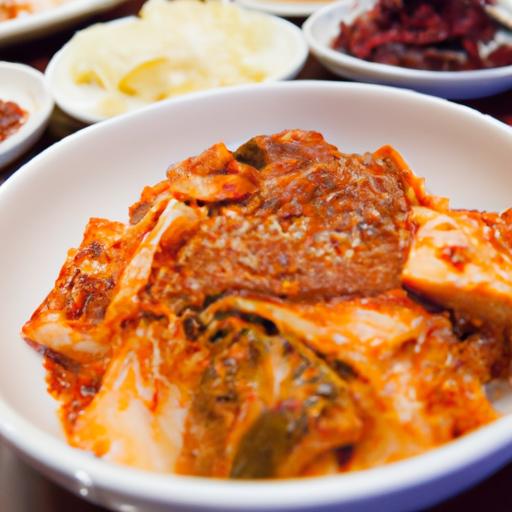

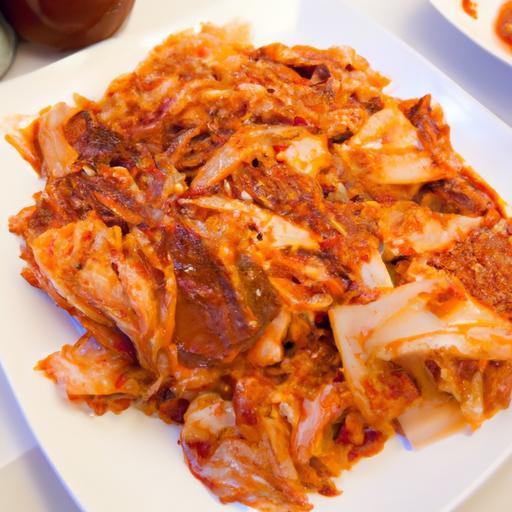

Step into the vibrant world of Korean cuisine with a dish that’s as bold in flavor as it is rich in tradition: kimchi. This fiery, fermented marvel isn’t just a side dish; it’s a celebration of culture, health, and spicy goodness in every bite. But if the thought of making it from scratch feels daunting, don’t worry.
Kimchi Made Easy: Your Simple Guide to Spicy Korean Flavor breaks down the process into straightforward steps that anyone can follow. Whether you’re a seasoned foodie eager to experiment or a curious beginner ready to spice up your kitchen, this guide turns kimchi-making into an accessible, enjoyable adventure. Get ready to unlock the secrets of Korea’s iconic flavors and bring a little spice and a lot of soul to your table.
The guide begins with selecting the freshest ingredients that set the foundation for authentic taste and vibrant texture. The right Napa cabbage is firm, bright green with pale, crunchy ribs, and free from blemishes or brown spots signs of freshness essential for perfect kimchi. Complementing it with crisp daikon, pungent garlic, and fiery Korean gochugaru (chili flakes) ensures a bold balance of heat and depth in your homemade creation.
Prep and Cook Time
- Preparation: 45 minutes (including cabbage salting)
- Fermentation: 2-5 days at room temperature, longer if refrigerated
Yield
Approximately 1 quart (4 cups) of kimchi-perfect for 4 to 6 servings.
Difficulty Level
Easy to Medium: Perfect for both beginners exploring Korean flavors and seasoned cooks refining their fermentation skills.
Ingredients
- 1 large Napa cabbage (about 2 to 3 pounds), quartered lengthwise
- 1/4 cup sea salt (non-iodized, coarse grain) for salting cabbage
- 1 cup water (for rinsing cabbage)
- 1 medium daikon radish, julienned
- 4 green onions, sliced into 1-inch pieces
- 6 cloves garlic, minced
- 1 tablespoon fresh ginger, grated
- 3 tablespoons Korean gochugaru (adjust for preferred spice level)
- 2 teaspoons sugar (balances fermentation sweetness)
- 2 tablespoons fish sauce (or soy sauce for vegan option)
- 1 carrot, julienned (optional, for color and texture)
Instructions
-
Prepare the cabbage: Rinse the Napa cabbage and cut it into quarters. Sprinkle coarse sea salt evenly between the layers. Place the cabbage in a large bowl and let it sit for 1.5–2 hours, turning every 30 minutes to ensure even salting. This softens the leaves and draws out moisture.
- Rinse and drain: After salting, wash the cabbage thoroughly under cold water to remove excess salt. Drain well in a colander for 20 minutes.
- Make the kimchi paste: In a mixing bowl, combine minced garlic, grated ginger, sugar, and fish sauce. Gradually add gochugaru, mixing until you have a vibrant red paste with the desired level of heat.
- Mix the vegetables: Add julienned daikon, carrot, and green onions to the paste, stirring to coat all pieces evenly.
- Combine with cabbage: Wearing kitchen gloves, spread the paste between each leaf of the cabbage quarters, ensuring every layer is coated. This promotes even fermentation and maximizes flavor.
- Pack and ferment: Tightly pack the cabbage into a clean, airtight glass jar, pressing down to remove air pockets. Leave about an inch of headspace for expansion. Close the jar and let it sit at room temperature for 2–5 days, depending on your preferred level of tanginess.
- Refrigerate and enjoy: Once fermented to your liking, store the kimchi in the refrigerator. The cool temperature slows fermentation and allows flavors to deepen over time.
Tips for Success
- Salting precision: Do not over salt the cabbage; use non-iodized coarse salt to avoid off-flavors and maintain crispness.
- Fermentation spot: Keep the fermentation jar in a cool, dark area, ideally between 65°F and 70°F (18°C to 21°C).
- Adjusting spice: For a milder kimchi, reduce gochugaru; for a fiery kick, increase it but balance it with a bit more sugar.
- Alternative umami: Use soy sauce in place of fish sauce to make a vegan kimchi without compromising flavor complexity.
- Make ahead: Prepare kimchi paste in advance and store it refrigerated for up to 3 days for quicker assembly.
Serving Suggestions
Kimchi Made Easy: Your Simple Guide to Spicy Korean Flavor shines when served fresh as a cool, crunchy side with steaming bowls of rice, bibimbap, or Korean stews. Garnish with toasted sesame seeds and sliced green onions for an appealing presentation. Add a tangy crunch to salads and sandwiches, or blend it into savory pancakes for an irresistible twist.
| Nutrient | Per 100g |
|---|---|
| Calories | 25 kcal |
| Protein | 1.2 g |
| Carbohydrates | 4.3 g |
| Fat | 0.3 g |
For further inspiration and related Korean culinary gems, explore our article on Homemade Korean Bulgogi: Sweet and Savory BBQ Delight. To expand your knowledge on fermentation science, visit the Centers for Disease Control and Prevention for a trustworthy overview.

Q&A
Q&A: Kimchi Made Easy: Your Simple Guide to Spicy Korean Flavor
Q1: What exactly is kimchi and why is it so popular?
A1: Kimchi is a traditional Korean fermented vegetable dish, most commonly made with napa cabbage and Korean radishes, seasoned with chili pepper, garlic, ginger, and other flavorful spices. Its unique tangy, spicy, and umami-packed profile has earned global fame not only for its deliciousness but also for its impressive health benefits, including probiotics and vitamins.
Q2: Is kimchi difficult to make at home?
A2: Not at all! While it may seem intimidating, homemade kimchi is surprisingly doable with just a few simple steps. With fresh ingredients and a little patience during fermentation, anyone can create this vibrant Korean staple. Plus, the process is customizable, allowing you to adjust spice levels and flavors to your liking.
Q3: What are the essential ingredients for a basic kimchi?
A3: At its core, making kimchi calls for Napa cabbage, Korean chili flakes (gochugaru), garlic, ginger, green onions, and plenty of salt for brining. Many recipes also include Korean radishes for extra crunch and subtle sweetness. Combining these ingredients into a flavorful paste is the heart of the process.
Q4: Can kimchi be made without fish sauce?
A4: Absolutely! While traditional kimchi often includes fish sauce or fermented shrimp for umami depth, you can craft delicious vegan kimchi using alternatives like soy sauce, miso paste, or seaweed powder. These substitutions maintain that savory punch without any animal products.
Q5: How long does kimchi need to ferment?
A5: Fermentation times vary based on temperature and personal taste. At room temperature, kimchi can start to ferment within 1-2 days. For a milder flavor, refrigerate it and let it ferment slowly over a week or more. The longer it ferments, the tangier and more complex the flavor becomes.
Q6: What are the benefits of making your own kimchi?
A6: Beyond controlling the ingredients and customization, homemade kimchi offers fresh flavor, reduced preservatives, and a rewarding culinary experience. Plus, the fermentation process promotes healthy gut bacteria, supporting digestion and boosting immunity.
Q7: How should homemade kimchi be stored?
A7:Once it reaches your preferred level of fermentation, store kimchi in an airtight container or traditional earthenware jar in the refrigerator. Properly kept, it can last for several months, developing deeper flavors over time.
Q8: Can kimchi be used in dishes beyond just a side condiment?
A8: Definitely! This versatile fermented dish works in stews (kimchi jjigae), pancakes (kimchi jeon), fried rice, or even as a spicy topping for tacos and sandwiches. Its bright, spicy punch adds complexity and excitement to countless recipes.
Q9: What tips can help ensure a successful batch of kimchi?
A9: Use fresh, high-quality vegetables, soak the cabbage thoroughly in salt to achieve the right texture, and pack it tightly to minimize air exposure during fermentation. Trust your nose and palate—taste as it ferments to find your perfect balance.
Q10: Where can beginners find reliable recipes and resources?
A10: Many Korean cooking websites, YouTube channels, and cookbooks offer approachable kimchi recipes tailored for novices. Look for guides that emphasize clear steps and simple ingredient lists to build confidence in your fermentation journey.
The Way Forward
Whether you’re a kitchen novice or a seasoned foodie, making kimchi doesn’t have to be a daunting adventure. With just a handful of ingredients and a pinch of patience, you can transform everyday vegetables into a vibrant, tangy masterpiece that captures the bold spirit of Korean cuisine. So go ahead embrace the spice, savor the fermentation, and let your taste buds travel to the streets of Seoul, one crunchy bite at a time. Your kimchi journey starts here, simple, flavorful, and utterly unforgettable.