

There’s something irresistibly magical about a spoonful of lemon sorbet, a shimmering, icy burst of sunshine that dances on your tongue with a perfect balance of tartness and sweetness. More than just a refreshing treat, lemon sorbet is a marvel of culinary science, where simple ingredients transform through precise techniques into a delight that captivates the senses.
In “Lemon Sorbet: Irresistibly Refreshing Zesty Delight Backed by Delicious Science” we embark on a flavorful journey to unravel the art and chemistry behind this vibrant dessert, exploring how the bright zest of lemons, the chill of ice crystals, and the harmony of sugar interplay to create a symphony of taste and texture. Whether you’re a curious foodie, a budding chef, or simply a sorbet enthusiast, prepare to dive into the fascinating science that makes lemon sorbet irresistibly joyous.
Zesty Delight is the epitome of a refreshing treat that beautifully marries vibrant citrus tang with delicate sweetness to create a truly unforgettable lemon sorbet experience. Rooted in traditional Italian gelato culture yet elevated with modern culinary science, this recipe demystifies the art of balancing acidity and sugar, ensuring each spoonful tantalizes your palate with perfect harmony.
Prep and Cook Time
Preparation Time: 15 minutes
Freezing Time: 4 to 6 hours (or overnight)
Yield
Serves 6 refreshing portions
Difficulty Level
Easy – Perfect for sorbet beginners and seasoned artisans alike
Ingredients
- 1 cup freshly squeezed lemon juice (from about 4-5 medium lemons)
- 1 ½ cups water
- 1 cup granulated sugar
- 1 tablespoon lemon zest (finely grated, avoid the white pith for bitterness)
- ½ teaspoon lemon extract (optional, for intensified citrus aroma)
- Pinch of fine sea salt
Instructions
- Prepare the simple syrup: In a medium saucepan, combine water and granulated sugar. Heat over medium heat, stirring occasionally until the sugar fully dissolves and the mixture is clear. Remove from heat and let cool completely.
- Infuse the zest: Once cooled, stir in the lemon zest to release essential oils. Let this rest for 10-15 minutes, then strain through a fine mesh sieve to remove zest pieces, capturing the fragrant syrup.
- Mix citrus elements: Whisk the fresh lemon juice, infused syrup, lemon extract (if using), and pinch of sea salt together. The salt enhances brightness and depth.
- Chill the base: Refrigerate the mixture for at least 1 hour to fully meld the flavors and achieve a cold base, which is key for a smooth freeze.
- Churn the sorbet: Pour the chilled mixture into an ice cream maker and churn according to the manufacturer’s directions, typically 20-30 minutes, until it forms a soft, snow like texture.
- Freeze to set: Transfer sorbet to a shallow airtight container, smooth the top with a spatula, and freeze for an additional 2-4 hours to achieve the ideal firm yet scoopable consistency.
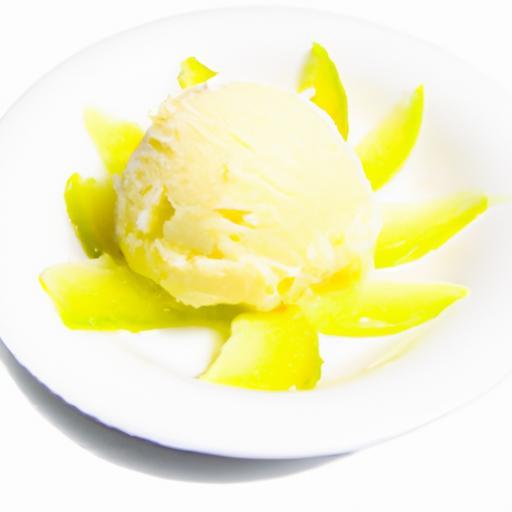
- Serve and garnish: Scoop into chilled bowls or cones and garnish with fresh mint leaves or thin lemon slices for a vibrant presentation and an aromatic lift.
Tips for Success
- Balance sweetness and acidity: The magic behind Zesty Delight lies in tuning the sweetness to counter the sharp lemon acidity. Adjust sugar slightly based on the tartness of your lemons; Meyer lemons tend to be sweeter, so start with less sugar if using those.
- Use fresh lemons: Store-bought bottled lemon juice lacks the fresh, bright zest notes crucial to the sorbet’s flavor profile.
- Avoid bitterness: When zesting, scrape only the yellow part, steering clear of the bitter white pith beneath.
- Texture tricks: Incorporate the pinch of salt and lemon extract for complexity and a silkier mouthfeel. Freezing in a shallow container expedites setting and reduces iciness.
- Make-ahead: Sorbet can be prepared up to 3 days in advance, just bring it out 10 minutes before serving to soften slightly for perfect scooping.
Serving Suggestions
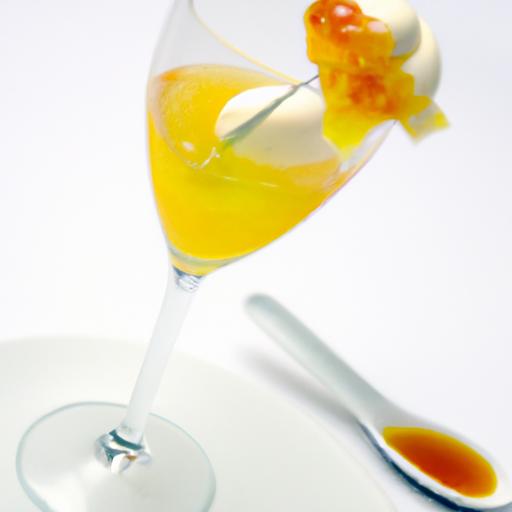
To elevate your lemon sorbet experience, serve it in chilled coupe glasses for elegance or alongside a fresh berry compote to complement its tangy brightness. For a playful twist, layer sorbet with raspberry coulis in a parfait glass and sprinkle edible flowers or toasted coconut flakes. A sprig of fresh mint or a thin lemon wheel makes a vivid garnish that visually amplifies the sorbet’s tantalizing zest.
| Nutrient | Per Serving |
|---|---|
| Calories | 90 kcal |
| Protein | 0.2 g |
| Carbohydrates | 23 g |
| Fat | 0 g |

Discover more about how acidity influences flavor perception in chilled desserts on ScienceDaily’s article on citrus chemistry. If you love sorbet, be sure to check out our strawberry rhubarb sorbet recipe for another thrilling fruit frozen delight.
Q&A
Q&A: Zesty Delight – The Science and Joy of Lemon Sorbet
Q1: What makes lemon sorbet so uniquely refreshing compared to other frozen desserts?
A1: Lemon sorbet’s magic lies in its bright acidity and clean, crisp flavor profile. The natural tartness of lemons stimulates our taste buds and triggers salivation, which cools and refreshes the palate. Unlike creamy ice creams, sorbet’s lack of fat allows the citrus’s zing to shine through unmasked, delivering a pure, invigorating burst with every spoonful.
Q2: How does the acidity of lemon influence the texture of sorbet?
A2: Acidity, primarily from citric acid in lemons, plays a pivotal role in sorbet’s texture. It affects how water freezes, helping to create smaller ice crystals that yield a smoother, silkier scoop. Too little acidity, and the sorbet can be icy or grainy; too much, and it may taste overly sharp or prevent proper freezing. Achieving the right balance is essential to that perfect melt-in-your-mouth feel.
Q3: What scientific principles are at work during the making of lemon sorbet?
A3: Lemon sorbet blends sweetness, acidity, and freezing chemistry. Sugar lowers the freezing point of the mix, preventing a solid ice block and allowing a softer texture. The interplay of temperature and ingredients affects ice crystal formation. The stirring process during freezing breaks up ice crystals, while the lemon juice’s acidity chemically interacts with sugars and water, ensuring the sorbet remains smooth and zesty.
Q4: Can lemon sorbet be adjusted for different levels of tartness without ruining its texture?
A4: Absolutely! One can tweak tartness by varying the amount of lemon juice or zest, or by introducing mild citrus alternatives like lime or yuzu for subtle flavor twists. To maintain texture, any increase in acidity should be balanced with adjusted sugar content, and sometimes a small amount of stabilizer such as pectin or a pinch of salt to preserve the sorbet’s smoothness.
Q5: What sensory experiences make lemon sorbet a joyful treat beyond its taste alone?
A5: Lemon sorbet delights multiple senses at once. Its vibrant yellow color evokes sunshine and happiness; its tart aroma wakes olfactory receptors; the cool temperature provides physical relief from heat; and its light, airy consistency adds an element of playfulness. This multisensory interaction creates a deeply satisfying experience that lifts mood and evokes joyful memories of summer or celebration.
Q6: Why has lemon sorbet been a favorite dessert in cultures around the world?
A6: Lemon sorbet’s appeal is universal because it combines simplicity with sophistication. It cleanses the palate, serving as a perfect interlude between courses or a light finish to a meal. Its natural ingredients and refreshing qualities resonate in warm climates and among health-conscious consumers alike, making it both a timeless classic and a modern favorite.
Q7: Are there any tips for serving or pairing lemon sorbet to enhance its enjoyment?
A7: Serve lemon sorbet chilled but not rock hard, so its texture is at its peak. Pair it with fresh berries, mint leaves, or a sprinkle of finely chopped herbs like basil for an herbal twist. For a non-alcoholic accompaniment, try sparkling water with a splash of fresh citrus or iced herbal teas, which complement sorbet’s brightness without overpowering it.
Q8: How can home cooks experiment creatively with lemon sorbet?
A8: Experimentation is the zest of creativity! Infuse the simple lemon base with unexpected ingredients like ginger slices, fresh lavender, or a touch of chili for a surprising kick. Swap out some lemon juice for other citrus juices to create layered flavors, or incorporate textured elements such as finely chopped candied ginger or toasted nuts after freezing. The joy is in making the classic uniquely yours.
Concluding Remarks
As the final scoop of lemon sorbet melts on your tongue, you’re left with more than just a refreshing burst of citrus, you’re savoring a delicate balance of chemistry, culture, and sheer joy. From the intricate science of acidity and freezing points to the centuries old traditions that have perfected this zesty delight, lemon sorbet is a testament to how simple ingredients can create extraordinary experiences. So next time you indulge in this icy treat, remember: you’re not just tasting lemon and sugar, but the very essence of nature’s brilliance and human creativity entwined in every cool, tangy bite. Cheers to the joy of discovery one zesty spoonful at a time!