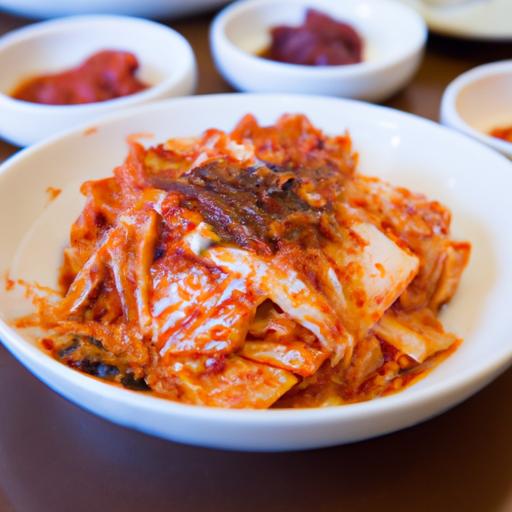

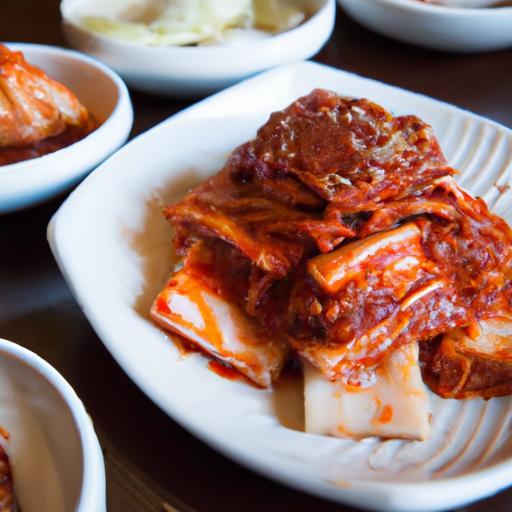

In a world where bold flavors tell stories, kimchi stands as a vibrant testament to Korea’s rich culinary heritage. This iconic spicy ferment, with its tangy punch and fiery bite, is more than just a side dish-it’s a living tradition simmering in jars across generations. Yet, for many, the art of making kimchi may seem shrouded in mystery, marked by complex steps and elusive ingredients. Fear not! Kimchi Made Easy: A Simple Guide to Spicy Korean Ferments is here to unlock those secrets, transforming the ancient craft into an accessible, fun kitchen adventure. Whether you’re a curious foodie or a fermentation fanatic, get ready to dive into the world of crisp cabbage, chili flakes, and umami magic-all with straightforward tips that make homemade kimchi an irresistible reality.
Understanding the Art of Kimchi Fermentation
Kimchi Made Easy: A Simple Guide to Spicy Korean Ferments introduces you to the mesmerizing world of fermentation that transforms humble cabbage into a vibrant, tangy, and spicy Korean staple. Originating centuries ago in Korea, kimchi’s magic lies in lactic acid fermentation, a natural process where beneficial bacteria develop, creating complex layers of flavor and probiotics that promote gut health. When you master this art, each batch becomes a personalized masterpiece infused with your own touch of spice and zest.
Choosing the Perfect Ingredients for Authentic Flavor
The foundation of an exceptional kimchi batch is the quality and selection of ingredients. Use fresh Napa cabbage – crispy and tender – as the base. Traditional recipes also call for Korean coarse sea salt that helps draw out moisture while maintaining texture. For the spicy kick, Korean red pepper flakes (gochugaru) provide the ideal balance of heat and color without overwhelming bitterness. Fresh garlic, ginger, and scallions develop aromatic depths, while a touch of fish sauce or fermented shrimp paste adds umami-feel free to use vegetarian alternatives if preferred.
Prep and Cook Time
- Preparation: 30 minutes
- Fermentation: 3 to 7 days at room temperature, then refrigeration
Yield
Approximately 1 quart of kimchi – enough to serve 4 to 6 people as a flavorful side dish.
Difficulty Level
Easy to Medium – approachable for beginners yet rewarding enough for enthusiasts.
Ingredients
- 1 large Napa cabbage (about 2 to 3 pounds)
- 1/4 cup Korean coarse sea salt
- 4 cups water
- 1 tablespoon sugar
- 5 cloves garlic, minced
- 1-inch piece fresh ginger, peeled and minced
- 5 scallions, chopped into 2-inch pieces
- 1/4 cup Korean red pepper flakes (gochugaru)
- 2 tablespoons fish sauce (or vegan soy sauce/seaweed extract for vegetarian option)
- 1 small carrot, julienned (optional for crunch and color)
- 1/2 daikon radish, julienned
Step-by-Step Techniques for a Foolproof Kimchi Batch
- Salt the cabbage: Cut the cabbage lengthwise into quarters and submerge in a large bowl filled with water and Korean coarse sea salt. Massage the salt between the leaves gently. Let soak for 2 hours, flipping occasionally until the cabbage softens and releases liquid.
- Rinse and drain: Thoroughly rinse the salted cabbage under cold water 2-3 times to remove excess salt. Drain well and set aside.
- Prepare the kimchi paste: In a mixing bowl, combine minced garlic, ginger, sugar, fish sauce, and gochugaru. Adjust the pepper flakes quantity here for your preferred spice level.
- Add vegetables: Toss scallions, carrot, and daikon radish into the paste, mixing until all pieces have a vibrant coating.
- Mix with cabbage: Wearing kitchen gloves to protect from the spice, carefully spread the kimchi mixture leaf by leaf onto the cabbage quarters, ensuring every crevice is covered.
- Pack and seal: Place the coated cabbage tightly into a clean glass jar or fermentation container, pressing down firmly to remove air pockets.
- Ferment: Leave the jar at room temperature for 3 to 7 days. Check daily, pressing down to keep the cabbage submerged under its juices. Once it achieves your desired tang and aroma, transfer to the refrigerator to slow fermentation.
Tips and Tricks to Customize Your Spicy Korean Ferments
To personalize your kimchi, try adding household staples or regional twists. Swap in watermelon radish for color, or incorporate seaweed flakes for extra umami. For milder kimchi, reduce gochugaru by half or increase fermentation time slightly for a tart finish without overwhelming heat. Feeling adventurous? Stir in toasted sesame seeds or a drizzle of sesame oil right before serving for fragrant richness.
Chef’s Notes
- Balancing texture and salt: Don’t over-salt the cabbage; rinse well to avoid an overly salty ferment.
- Fermentation environment: A room temperature of around 65-72°F (18-22°C) is ideal; warmer climates speed fermentation.
- Make-ahead tip: Kimchi flavor deepens with age – start your batch a few days ahead to enjoy maximum complexity.
- Substitutions: For seafood allergies, use a soy sauce base and add kelp powder for umami.
Serving Suggestions
Kimchi is wonderfully versatile – serve it chilled alongside a bowl of steamed jasmine rice and grilled vegetables to keep it authentic. Garnish with a sprinkle of toasted sesame seeds or a few julienned scallions for a fresh finish. For a modern twist, try kimchi fried rice, kimchi pancakes, or a spicy kimchi stew. Its vibrant red hues and bold flavor add both color and character to any meal.

| Nutrition (per 100g) | Calories | Protein | Carbs | Fat |
|---|---|---|---|---|
| Kimchi (homemade) | 25 kcal | 1.2 g | 4 g | 0.2 g |
For more fermentation inspiration, explore our comprehensive Korean ferments guide. To deepen your understanding of the science behind kimchi, this scientific article offers great insights into lactic acid bacteria and health benefits.
Q&A
Q&A: Kimchi Made Easy: A Simple Guide to Spicy Korean Ferments
Q1: What exactly is kimchi, and why is it so popular?
A1: Kimchi is a traditional Korean fermented vegetable dish, most commonly made with napa cabbage and radishes, seasoned with garlic, ginger, chili flakes, and salt. Its popularity stems from its vibrant flavors, health benefits, and versatility-from a side dish to a cooking ingredient. It’s a spicy, tangy, and umami-packed staple that adds a burst of flavor to any meal.
Q2: What makes kimchi fermentation special compared to other pickling methods?
A2: Unlike quick pickles soaked in vinegar, kimchi relies on natural fermentation with lactic acid bacteria. This process transforms the vegetables over days or weeks, creating complex sour, spicy notes and beneficial probiotics that support digestion and immunity.
Q3: Can beginners really make kimchi at home without fancy equipment?
A3: Absolutely! Kimchi is surprisingly simple. All you need is fresh vegetables, chili flakes, garlic, ginger, salt, and a clean jar or container. No special tools required-just patience and a bit of love as the kimchi ferments at room temperature or in the fridge.
Q4: How do I know when my kimchi is ready to eat?
A4: Fermentation time depends on temperature and personal taste, but usually between 2 to 7 days at room temperature. You’ll notice bubbles, a tangy aroma, and a balanced spiciness. Taste it daily until you find your perfect zing-then refrigerate to slow fermentation and enjoy!
Q5: Are there any tips for making kimchi less spicy or more approachable for beginners?
A5: Yes! Reduce the amount of Korean red chili flakes (gochugaru) or mix them with a mild chili powder. You can also add a little sweetness with a pinch of sugar or grated apple to balance the heat. Remember, kimchi is flexible-adjust it to your palate!
Q6: What vegetables can I experiment with besides the traditional cabbage and radish?
A6: While napa cabbage and Korean radishes are classics, you can try fermented cucumbers, mustard greens, carrots, or even green beans. Each vegetable brings unique textures and flavors, expanding your kimchi adventures beyond the familiar.
Q7: How should homemade kimchi be stored to maintain its flavor and freshness?
A7: After the initial fermentation at room temperature, transfer your kimchi to the refrigerator. It slows down the fermentation but keeps the flavors developing gradually. Use a glass jar with a tight lid to prevent odors from escaping and to keep your kimchi fresh.
Q8: Can kimchi be used in cooking, or is it only a side dish?
A8: Kimchi is incredibly versatile! Toss it into stir-fries, stews, pancakes (kimchi jeon), fried rice, or even grilled cheese sandwiches. It adds a delightful spicy, tangy twist that elevates everyday dishes.
Q9: What health benefits can I expect from eating kimchi regularly?
A9: Packed with probiotics from fermentation, vitamins from fresh vegetables, and antioxidants from chili flakes and garlic, kimchi supports gut health, boosts immunity, and may reduce inflammation. A delicious way to nourish your body!
Q10: Where can I find authentic Korean chili flakes for making kimchi?
A10: Korean red chili flakes, or gochugaru, can be found at Asian grocery stores or online. Choose coarse flakes for traditional texture and flavor. Authentic gochugaru is crucial to get that true kimchi spice and color!
Insights and Conclusions
As your kimchi journey unfolds from this simple guide, may the spicy, tangy flavors of your homemade ferment bring a burst of Korean tradition to your table. With just a few ingredients and a bit of patience, you’ve unlocked the magic of fermentation-a timeless craft that nourishes both body and spirit. So go ahead, experiment with heat, texture, and time; each batch tells a unique story of flavor and culture. In the world of kimchi, simplicity meets creativity, proving that even the most intricate tastes start with humble beginnings. Happy fermenting!