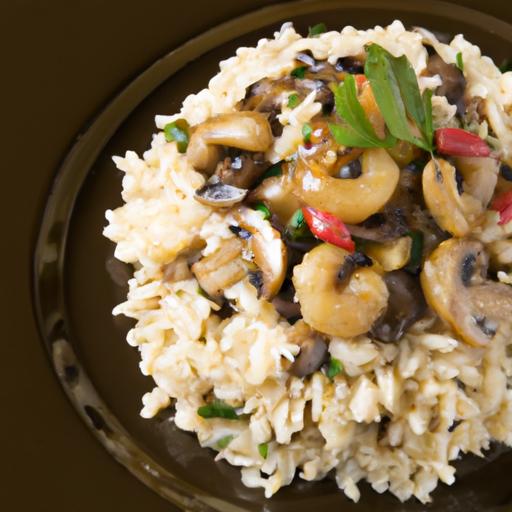

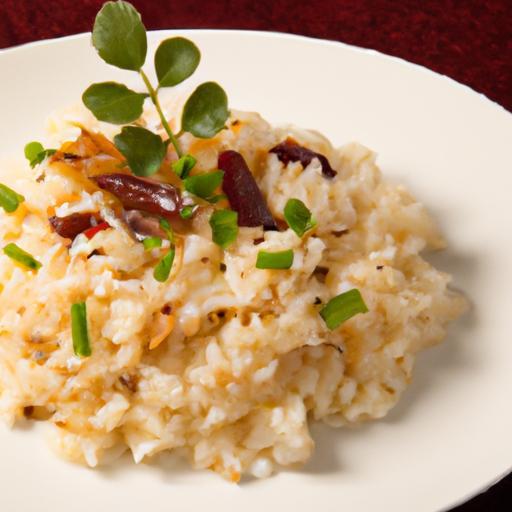

Rice is more than just a humble staple-it’s the heart of countless dishes around the world, a canvas for culinary creativity, and a comfort food that brings people together. Yet, achieving that perfect bowl of fluffy, separate grains can sometimes feel like an elusive art. Whether you’re a novice cook or a seasoned chef, mastering rice is a skill that transforms everyday meals into extraordinary experiences. In this guide, we’ll unravel the secrets to cooking rice flawlessly every time, exploring essential techniques, common pitfalls, and expert tips that turn simple grains into a masterpiece. Get ready to elevate your kitchen game and savor rice like never before!
Choosing the Right Rice for Every Dish and Texture
Mastering rice begins with understanding that not all grains are created equal. From the aromatic basmati that infuses biryanis with a fragrant flair, to the sticky short-grain varieties perfect for sushi or Asian stir-fries, each type offers a unique texture and cooking behavior. For fluffy, separate grains, long-grain rice varieties like jasmine and basmati are top contenders, boasting a light, nutty aroma and an exquisite fluffy finish. Medium-grain rice strikes a balance between softness and slight stickiness, ideal for risottos and pilafs. Identifying your dish’s desired texture will unlock the secret to selecting the perfect rice grain every time.
Rinsing and Soaking Secrets to Enhance Fluffiness
Once you’ve chosen your rice, the preparation method is crucial. Rinsing rinses away excess surface starch, preventing clumping and gummy outcomes. Rinse your rice under cold running water until the water runs clear-a simple step that makes a dramatic difference in texture. Soaking is an elevated step particularly recommended for basmati, allowing the grains to absorb water and expand gently before cooking. A soak of 20-30 minutes can shorten cooking time and produce lighter, elongated grains that don’t break apart.
Mastering Water Ratios and Cooking Times for Perfect Results
Precision is power when cooking rice. Water ratios vary considerably with rice type: a standard for long-grain jasmine and basmati is roughly 1:1.5 rice to water, while short-grain may require a tad more. Cooking times also depend on the rice and method-stovetop, rice cooker, or instant pot-each offering unique textures. Simmer gently and keep the lid sealed tightly to steam the grains perfectly. Let the rice rest off heat for 10 minutes post-cooking to complete absorption and settling, ensuring each grain remains tender but distinct.
Fluffing and Serving Tips to Keep Your Grains Light and Separate
Final flourish is in the finesse of your fluffing. Use a fork-not a spoon-to gently separate grains without crushing. This last step preserves maximum fluffiness and volume. Serving warm, immediately after fluffing, offers the best experience of texture and aroma. For added nuance, garnish with fresh herbs such as cilantro or finely sliced scallions, or lightly toast nuts and seeds to sprinkle atop for delightful crunch contrast. With these techniques, your rice will always be a stunning, light accompaniment to any meal.
Prep and Cook Time
- Prep Time: 10 minutes (plus soaking time if applicable)
- Cook Time: 15-20 minutes
Yield
- 4 servings
Difficulty Level
- Easy
Ingredients
- 1 cup long-grain basmati or jasmine rice
- 1 ½ cups water, cold filtered preferred
- ½ teaspoon salt (optional)
- 1 teaspoon neutral oil or ghee (optional, for fluffier texture)
Instructions
- Rinse the rice in a fine mesh sieve under cold running water, gently stirring with your fingers until water runs clear to remove excess starch.
- Soak the rice in a bowl with water for 20-30 minutes if using basmati, then drain thoroughly. This step is optional but enhances grain length and softness.
- Combine rice, water, salt, and oil in a medium saucepan and bring to a boil uncovered over medium-high heat.
- Once boiling, reduce heat to low, cover with a tight-fitting lid, and simmer gently for 15 minutes, avoiding opening the lid.
- Turn off the heat and let rice steam undisturbed for an additional 10 minutes to finish absorbing moisture.
- Fluff the rice gently with a fork to separate the grains before serving, preserving the delicate texture and lightness.
Tips for Success
- Use US Rice Federation resources to explore rice varieties and their best uses for inspiration.
- If rice turns out mushy, reduce water by 1-2 tablespoons next time and avoid lifting the lid while cooking.
- For extra fragrance, toast dry rice lightly in the saucepan for 2-3 minutes prior to adding water.
- Try substituting coconut milk for part of the water in savory dishes to impart an exotic richness.
- Leftovers store well in the refrigerator for 3-4 days and reheat beautifully with a sprinkle of water to revive fluffiness.
Serving Suggestions
- Serve alongside grilled vegetables, spicy chickpea curry, or simply with a squeeze of lime and fresh herbs.
- Top warm rice with chopped toasted almonds or pistachios and a sprinkle of finely chopped fresh cilantro for depth and color.
- For a crowd-pleasing presentation, mold the cooked rice into neat domes or use a ring mold to keep servings elegant.
- Add a drizzle of tahini or a dollop of cooling yogurt to balance intense spices when pairing with vibrant dishes.
| Nutrient | Per Serving |
|---|---|
| Calories | 205 kcal |
| Protein | 4g |
| Carbohydrates | 45g |
| Fat | 0.4g |

Discover the joy of perfectly cooked rice by mastering these simple techniques. For more detailed insights on grain cooking, explore our ultimate grain cooking guide and elevate your culinary confidence.
Q&A
Q: What’s the secret to achieving perfectly fluffy rice every time?
A: The secret lies in the perfect water-to-rice ratio, rinsing your rice to remove excess starch, and letting it rest undisturbed after cooking. Use just enough water-usually about 1.5 to 2 cups of water per cup of rice depending on the variety-and avoid lifting the lid until the rice has steamed through. This technique locks in moisture and prevents mushiness, producing light, fluffy grains.
Q: Should I rinse my rice before cooking, and why?
A: Absolutely! Rinsing rice removes excess surface starch that can cause the grains to stick together and clump. Run the rice under cold water until the rinse water runs clear, and you’ll be on your way to rice that’s tender but distinct, with each grain separate and inviting.
Q: How do different types of rice affect your cooking method?
A: Each rice variety has its own character and cooking nuances. Long-grain rice like basmati cooks up light and fluffy with a slightly nutty aroma, while medium-grain rice tends to be softer and stickier, perfect for dishes like risotto. Short-grain rice is plump and sticky, ideal for sushi or rice balls. Adjust water ratios and cooking time accordingly to honor their unique textures.
Q: Can I use alternative cooking methods to get fluffy rice?
A: Certainly! While stovetop simmering is classic, you can achieve fluffy rice using a rice cooker, Instant Pot, or even the oven. Rice cookers often have built-in sensors that perfect the cooking time and temperature, while ovens provide even heat for uniform results. Just follow specific appliance guidelines, but the fundamentals-correct water ratio and resting time-still apply.
Q: What’s the role of resting rice after cooking?
A: Resting is the unsung hero in the rice-cooking process! After the heat is off, letting the rice sit, covered, for 10 to 15 minutes gives the grains a chance to finish steaming and absorb any remaining moisture evenly. This step helps the grains “settle,” preventing sogginess and creating that perfect fluffy texture.
Q: How can I avoid sticky or mushy rice?
A: To dodge sticky or mushy rice, avoid adding too much water and don’t stir the rice while it’s cooking. Use a tight-fitting lid to trap steam, and resist the urge to peek frequently. Also, rinsing your rice beforehand prevents excess starch buildup, which contributes to clumping.
Q: Is it possible to infuse rice with extra flavor while keeping it fluffy?
A: Definitely! You can cook rice in flavorful liquids like vegetable broth or coconut milk, or add aromatics such as bay leaves, cinnamon sticks, or star anise to the pot. Just be mindful not to add heavy sauces or dense ingredients during cooking, as they can alter texture. The key is subtle seasoning that enhances without compromising fluffiness.
Q: Can I reheat rice without losing its fluffy texture?
A: Yes! When reheating, sprinkle a few drops of water over the rice and cover it to trap steam in the microwave or on the stovetop. This refreshes the grains without drying them out, helping you enjoy that freshly-cooked fluffiness all over again.
Q: How do I store cooked rice properly to maintain quality?
A: Store cooled rice in an airtight container in the refrigerator within two hours of cooking to keep it safe and fresh. Use it within 3 to 4 days for the best texture and flavor. For longer storage, freeze portions in sealed bags or containers; just thaw and reheat gently to maintain fluffiness.
Q: What is the ideal pot or pan to use when cooking rice?
A: Choose a heavy-bottomed pot with a snug-fitting lid to distribute heat evenly and trap steam effectively. Thin pans can cause uneven cooking and scorching, while a proper lid prevents unnecessary evaporation and heat loss, crucial for perfect rice every time.
Wrapping Up
As you close this chapter on mastering rice, remember that the journey to perfect, fluffy grains is both an art and a science-one that invites patience, practice, and a pinch of curiosity. With the right techniques and a little love, your rice will no longer be a simple side dish but the shining star of your meal. So go ahead, experiment with your favorite varieties, adjust your water ratios, and embrace the gentle dance of simmer and steam. Soon enough, every spoonful will be a celebration of texture, aroma, and flavor-your very own culinary triumph in a humble grain. Here’s to endless bowls of perfectly cooked rice, inviting you to savor every bite, every time.