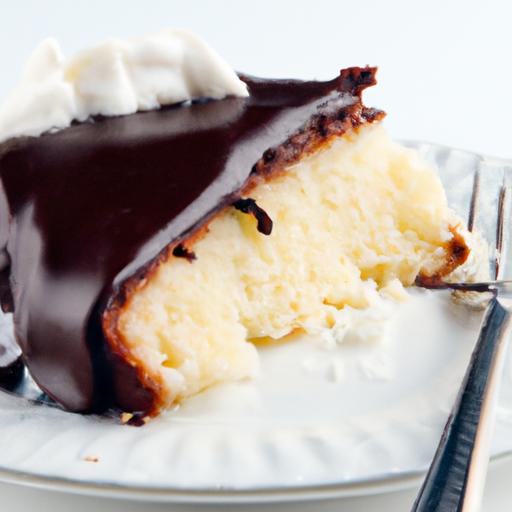

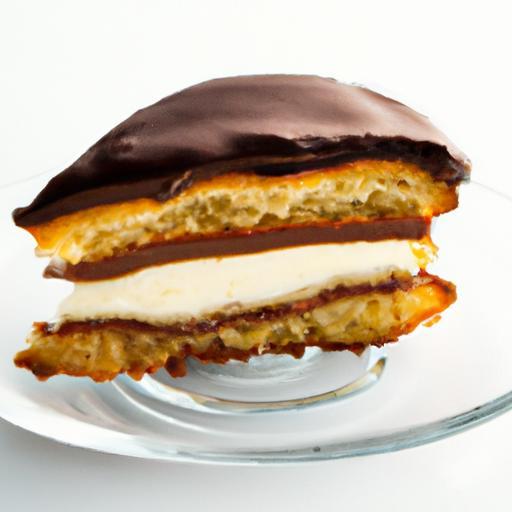

Nestled within the world of desserts lies a delicious paradox: Boston Cream Pie, a name that baffles as much as it delights. Despite its title, this iconic treat is neither a pie nor a traditional cake, but a luscious symphony of sponge cake, creamy custard, and glossy chocolate ganache. Originating in the bustling kitchens of 19th-century Boston, this dessert has carved out a storied place in American culinary history. Join us on a sweet journey through time as we unravel the intriguing origins, evolution, and cultural significance of Boston Cream Pie-a confection whose legacy continues to captivate taste buds and hearts alike.
Boston Cream Pie: The Sweet History Behind the Iconic Treat
Boston Cream Pie is more than just a delightful dessert; it’s a celebration of history, texture, and balanced flavors that have captivated dessert lovers for over a century. This iconic treat originated in the 19th century in Boston, Massachusetts, where its deceptively named “pie” was crafted as a cake featuring luscious pastry cream and a glossy chocolate glaze. As you explore this recipe, you’ll uncover the culinary journey that has made Boston Cream Pie a staple in American dessert culture and learn how to master its distinct layers for a sensational dining experience.
Prep and Cook Time
- Preparation: 30 minutes
- Cooking: 25 minutes
- Chilling: 2 hours
- Total Time: Approximately 3 hours
Yield
Serves 8-10 decadent portions
Difficulty Level
Medium – ideal for bakers familiar with layering and custard preparation
Ingredients
- For the Cake:
- 1 cup all-purpose flour, sifted
- ¾ cup granulated sugar
- ¾ teaspoon baking powder
- ½ teaspoon baking soda
- ¼ teaspoon salt
- 2 large eggs, room temperature
- ½ cup whole milk
- ⅓ cup unsalted butter, melted and cooled
- 1 teaspoon pure vanilla extract
- For the Pastry Cream:
- 2 cups whole milk
- ⅔ cup granulated sugar
- ⅓ cup cornstarch
- 4 large egg yolks
- 2 tablespoons unsalted butter
- 1 teaspoon pure vanilla extract
- For the Chocolate Glaze:
- 4 ounces bittersweet chocolate, chopped
- ½ cup heavy cream
- 1 tablespoon unsalted butter
Instructions
- Prepare the Cake Layers: Preheat your oven to 350°F (175°C). Grease and flour two 8-inch round cake pans. In a medium bowl, whisk flour, baking powder, baking soda, and salt together.
- In a separate bowl, beat the eggs and sugar until pale and fluffy, about 3 minutes. Add the melted butter and vanilla extract, mixing until combined.
- Alternate adding the dry ingredients and milk to the egg mixture, starting and ending with dry ingredients. Mix gently to keep the batter fluffy.
- Divide the batter evenly between the pans and bake for 22-25 minutes, or until a toothpick inserted in the center comes out clean. Let cool completely in the pans for 10 minutes, then remove to wire racks.
- Make the Pastry Cream: In a saucepan, combine the milk and half the sugar. Heat over medium until just boiling. Meanwhile, whisk egg yolks, remaining sugar, and cornstarch in a bowl until smooth.
- Temper the egg mixture by adding a small amount of hot milk gradually, whisking constantly. Pour the tempered mixture back into the saucepan. Cook over medium, whisking continuously, until thickened, about 5 minutes.
- Remove from heat, stir in butter and vanilla extract until silky smooth. Transfer to a bowl, cover surface with plastic wrap to prevent skin, and refrigerate until chilled, about 1 hour.
- Prepare the Chocolate Glaze: Warm heavy cream in a small saucepan over medium heat until it just begins to simmer. Pour over chopped bittersweet chocolate in a heatproof bowl. Let sit 2 minutes, then stir gently until smooth. Stir in butter for shine. Let cool slightly before glazing.
- Assemble the Cake: Place one cake layer on a serving plate. Spread chilled pastry cream evenly over the top. Cover with the second layer and press lightly.
- Pour the chocolate glaze over the top, using an offset spatula to smooth and allow some glaze to drip down the sides for a classic finish.
- Chill the assembled cake for another hour to set the glaze and meld flavors beautifully.
Chef’s Tips for Baking the Perfect Boston Cream Pie
- Room Temperature Ingredients: Bring eggs, milk, and butter to room temp for a lighter cake texture.
- Whisk Gently: Avoid overmixing to keep your cake tender and airy.
- Pastry Cream Precision: Whisk continuously when cooking pastry cream to prevent lumps and scorching.
- Prevent Skin Formation: Immediately cover the surface of pastry cream with plastic wrap or parchment paper when chilling.
- Glaze Consistency Check: Allow the glaze to cool until thick but pourable for an elegant finish that holds shape.
- Make-Ahead: Cake layers and pastry cream can be prepared a day in advance. Assemble the day of serving for freshest results.
Serving Suggestions
Present your Boston Cream Pie with a dusting of powdered sugar around the edges for a delicate touch. Garnish with fresh berries like raspberries or sliced strawberries to balance the richness and add a pop of color. For a festive flair, sprinkle finely chopped toasted almonds or edible gold leaf atop the chocolate glaze. Enjoy it slightly chilled with a dollop of whipped cream or a scoop of vanilla bean ice cream on the side to elevate each bite.
| Nutrient | Per Serving |
|---|---|
| Calories | 360 kcal |
| Protein | 6 g |
| Carbohydrates | 45 g |
| Fat | 17 g |
Discover more tips on perfecting pastry cream to enhance your cake’s custard layer.
For additional history about American desserts, visit the Food Timeline, an excellent resource on culinary heritage.

Q&A
Q&A: Boston Cream Pie – The Sweet History Behind the Iconic Treat
Q: What exactly is a Boston Cream Pie?
A: Despite its name, Boston Cream Pie is actually a luscious cake, not a pie. It features layers of tender, fluffy sponge cake filled with creamy vanilla custard and topped with a glossy, rich chocolate ganache. It’s a perfect marriage of textures and flavors-light, creamy, and chocolatey-all in one bite.
Q: How did Boston Cream Pie get its name if it’s a cake and not a pie?
A: In the 19th century, the words “pie” and “cake” were used more interchangeably for various desserts. The Boston Cream Pie gained its name simply because it was baked in a pie tin and offered as a pie on menus. Over time, the name stuck even though it’s unmistakably a cake.
Q: What is the historical origin of the Boston Cream Pie?
A: The iconic treat was crafted in the 1850s at the Parker House Hotel in Boston by Chef Sanzian. It quickly became a sensation, showcasing the skills of bakers who mastered both custard and chocolate topping, a luxurious combination for that era. It ultimately became Massachusetts’ official state dessert in 1996.
Q: What makes the Boston Cream Pie distinct from other cream-filled cakes?
A: The harmonious balance between the sponge cake layers, the rich vanilla custard filling, and the shiny chocolate glaze is what makes it stand out. Unlike other layer cakes that might use buttercream or whipped cream, the silky pastry cream brings a smooth indulgence, while the ganache adds a slightly bittersweet finish.
Q: Can you describe the typical ingredients used in a Boston Cream Pie?
A: Classic Boston Cream Pie is crafted from simple, quality ingredients: flour, eggs, sugar, butter, vanilla, milk, chocolate, and cornstarch (for the custard). These staples blend to create a dessert that’s both approachable and elegant.
Q: Has the Boston Cream Pie recipe evolved over time?
A: Absolutely! While the core elements remain custard and chocolate on sponge cake, modern bakers experiment with different chocolates-sometimes dark, milk, or even white-and variations of the filling, such as flavored custards or pastry creams enriched with citrus zest or spices. Some also add a light drizzle or decoration for a contemporary flair.
Q: Why did the Boston Cream Pie gain state dessert status in Massachusetts?
A: This dessert is a proud symbol of Massachusetts’ culinary heritage. It highlights the ingenuity and sweet sophistication born in Boston kitchens. The designation honors its historical significance and the affection locals have for this delectable creation.
Q: How can someone enjoy Boston Cream Pie beyond the traditional cake?
A: Beyond the classic slice, the flavors inspire an array of treats: Boston Cream Pie-inspired cupcakes, ice cream flavors, or even breakfast pastries. Each offers a tribute to the original’s interplay of soft cake, creamy custard, and chocolate.
Q: What is the best way to savor a Boston Cream Pie?
A: For peak enjoyment, serve the Boston Cream Pie slightly chilled to keep the custard firm yet tender, with a fresh cup of coffee or tea. The contrast between the cool custard and room-temperature cake layers creates a delightful experience.
Q: Can Boston Cream Pie be made for special occasions?
A: Definitely! Its elegant appearance and classic flavor profile make it a fantastic choice for celebrations, from birthdays to casual gatherings. With its rich layers and shiny chocolate glaze, it’s a showstopper dessert that’s sure to impress guests.
In Conclusion
From its humble beginnings in 19th-century Boston to its beloved place on dessert menus around the world, the Boston Cream Pie is more than just a cake-it’s a delicious slice of history. This iconic treat, with its perfect harmony of fluffy sponge, rich custard, and glossy chocolate ganache, tells a story of innovation, tradition, and sweet indulgence. So the next time you savor a bite, remember you’re not just enjoying a dessert; you’re tasting a piece of American culinary heritage that continues to delight palates and inspire pastry chefs alike. Boston Cream Pie isn’t just a cake-it’s a timeless symbol of irresistible flavor and historical charm.