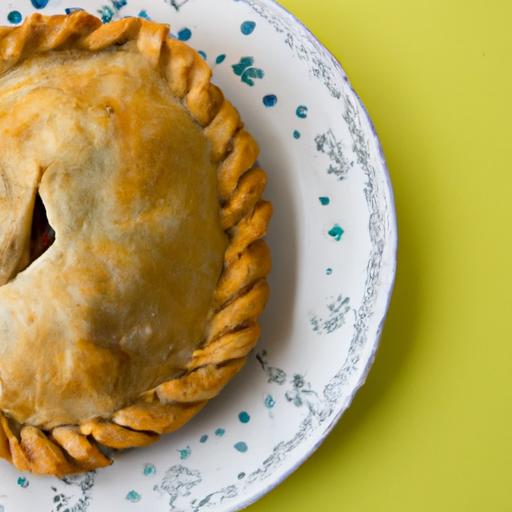

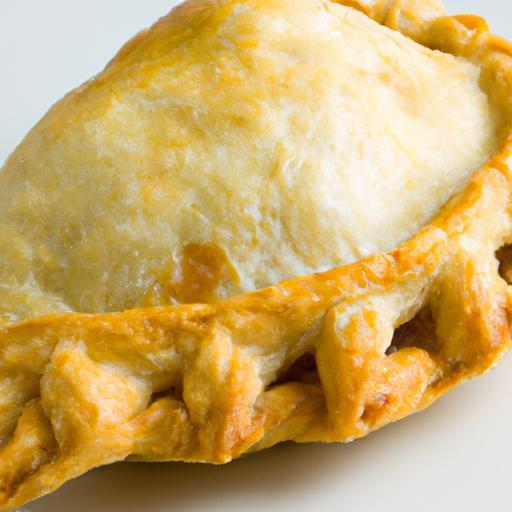

There’s something irresistibly comforting about sinking your teeth into a warm, golden-crusted hand pie, its savory aroma inviting you to savor each hearty bite. Enter the Cornish pasty, a timeless British treasure that wraps tender beef, fresh vegetables, and robust seasonings inside a flaky blanket of dough-a culinary hug that’s as practical as it is delicious. In this guide, we’ll unfold the rich history behind the Cornish pasty and walk you through crafting your own perfect “Cornish Pasty Delight,” transforming simple ingredients into a savory masterpiece you can hold in your hand. Whether you’re a seasoned baker or a curious foodie, prepare to dive into the world of this iconic hand pie and discover how to bring a slice of Cornwall’s hearty tradition right into your kitchen.
Cornish Pasty Delight: Savory Beef & Veggie Hand Pie Guide
Cornish Pasty Delight: Savory Beef & Veggie Hand Pie Guide is a celebration of tradition fused with comforting flavors that have warmed homes for centuries. Originating from the rugged mines of Cornwall, England, this iconic hand pie was designed as a hearty meal on the go for hardworking miners. The robust, hand-crimped crust sealed a savory filling of beef and fresh vegetables, offering a portable feast packed with nutrition and flavor. Today, this classic delight continues to charm contemporary kitchens with its rustic appeal and satisfying bite. Crafting your own savory filling and perfecting the flaky crust is an art that invites you into a culinary heritage that’s as rich in history as it is in taste.
Prep and Cook Time
- Preparation: 40 minutes
- Cooking: 45 minutes
- Total Time: 1 hour 25 minutes
Yield
Makes 6 generous Cornish pasties, perfect for sharing or savoring over several meals.
Difficulty Level
Medium – Perfect for home cooks eager to explore hearty traditional baking with approachable techniques.
Ingredients
- For the Pastry:
- 3 ½ cups all-purpose flour, sifted
- 1 tsp salt
- 1 cup cold unsalted butter, cubed
- ¾ cup cold water, plus extra for brushing
- For the Filling:
- 1 lb lean beef chuck, finely diced
- 2 medium potatoes, peeled and finely diced
- 1 medium onion, finely chopped
- 1 cup swede (rutabaga), diced
- ⅓ cup beef broth
- Salt and freshly ground black pepper, to taste
- 2 tbsp vegetable oil
- 1 tsp dried thyme
Instructions: Crafting the Cornish Pasty Delight
- Prepare the Pastry: In a large bowl, combine the sifted flour and salt. Cut in the cold butter using a pastry blender or your fingertips until the mixture resembles coarse breadcrumbs. Gradually add cold water, mixing gently until coming together as a firm dough. Wrap in plastic and chill for 30 minutes.
- Make the Filling: Heat oil in a skillet over medium heat. Add onions and sauté until translucent, about 5 minutes. Add beef and cook until just browned but not fully cooked through. Stir in potatoes, swede, thyme, salt, and pepper, cooking for 3 minutes. Pour in broth to bind the mix slightly; let cool completely.
- Assemble the Pasties: Divide chilled dough into six equal portions. On a floured surface, roll each portion into a 7-inch circle. Place a generous scoop of filling on one half of each circle, leaving a 1-inch margin at the edge. Brush margins with cold water, fold dough over to encase filling, and firmly crimp edges in the traditional “D” shape.
- Prepare for Baking: Preheat oven to 400°F (200°C). Place pasties on a parchment-lined baking sheet. Prick the top with a fork to vent steam. Brush with cold water for a rustic finish. Optional: sprinkle a pinch of coarse sea salt on top.
- Bake to Perfection: Bake for 35-45 minutes until golden, flaky, and crisp. The pasties should sound hollow when tapped and have a beautifully browned crust.
Tips for Success
- Ensure a Flaky Crust: Keep your butter cold and avoid overworking the dough to maintain layers that puff beautifully.
- Balanced Filling: Finely dice all vegetables and beef evenly for uniform cooking inside the pocket.
- Make-Ahead: The filling can be prepared up to 24 hours in advance and chilled to deepen flavors.
- Substitute Ideas: For a variation, swap swede with parsnip or carrot to suit your palate.
- Crimping Technique: Practice the classic corrugated edge by pinching the dough from the base outward for an airtight seal and eye-catching look.
Baking and Serving Suggestions to Elevate Your Cornish Pasty Delight
Serve these piping-hot Cornish pasties with a side of tangy homemade chutney or a robust English mustard to enliven every bite. A fresh green salad dressed with a light vinaigrette pairs beautifully, balancing the hearty richness of the hand pie. For garnish, sprinkle with freshly chopped parsley or chives to add bursts of emerald color and fresh aroma. Leftovers reheat well in a low oven, preserving the flaky texture and warming the filling evenly.
Nutritional Information (Per Pasty)
| Calories | Protein (g) | Carbohydrates (g) | Fat (g) |
|---|---|---|---|
| 420 | 28 | 35 | 18 |
For further insight into traditional British pastries, visit the British Food Culture Archive. Explore complementary recipes such as Classic Beef Stew Recipe to create a full comforting meal around the rustic charm of your Cornish pasty delight.

Q&A
Q&A: Cornish Pasty Delight: Savory Beef & Veggie Hand Pie Guide
Q1: What exactly is a Cornish pasty?
A1: The Cornish pasty is a traditional hand pie hailing from Cornwall, England. It’s a delicious parcel of pastry, typically filled with a hearty mix of beef, potatoes, swede (rutabaga), and onions, folded and crimped to perfection. Designed originally as a miner’s lunch, it’s portable, satisfying, and steeped in history.
Q2: What makes the filling of a Cornish pasty so special?
A2: The classic filling balances tender cuts of beef with chunky diced potatoes, sweet swede, and sharp onions. The magic lies in the simplicity and quality of ingredients, which come together to create a savory, comforting bite. The meat’s juices meld with the vegetables during baking, making the interior wonderfully moist yet hearty.
Q3: Can I customize the veggies inside my pasty?
A3: Absolutely! While the traditional combo is iconic, you can experiment with other veggies like carrots, parsnips, or even mushrooms to add extra flavor and texture. Just be mindful of moisture content-too watery, and the pastry might get soggy.
Q4: What type of beef works best for Cornish pasties?
A4: A good stew or braising cut works wonders. Think chuck or skirt steak-cuts that become tender and flavorful after slow cooking. Avoid lean cuts, as a little fat adds richness and keeps the filling juicy.
Q5: How do I keep the pastry crisp and golden without it getting soggy?
A5: The key is balance and technique. Use a sturdy, shortcrust pastry and avoid overfilling. Make sure your filling is cool or at least room temperature before assembling, which helps prevent sogginess. Also, brushing the pastry with an egg wash before baking gives it a beautiful golden finish.
Q6: Is the pasty meant to be served hot or cold?
A6: Traditionally, Cornish pasties are enjoyed hot or warm, fresh from the oven, when the pastry is at its flakiest and the filling steams. That said, they’re quite versatile and taste great at room temperature, making them perfect for picnics or packed lunches.
Q7: How do I shape and crimp a Cornish pasty properly?
A7: After filling one half of your rolled-out pastry circle, fold the other half over and press the edges together. Start crimping from one side to the other by folding small pleats into the edge. The crimp not only seals the pasty but became a signature look, originally meant to give miners a “handle” to hold their lunch with dirty hands.
Q8: Are there vegetarian versions of the Cornish pasty?
A8: While the traditional pasty is beef-based, vegetable-only versions are increasingly popular. Fillings might include hearty potatoes, swede, mushrooms, leeks, or cheese. These make wonderful alternatives and capture the spirit of the original pie while catering to different tastes.
Q9: What’s a good kitchen tip to perfect my Cornish pasties?
A9: Let the filling rest for a little while after mixing to let the flavors meld, and make sure your oven is adequately hot before baking to ensure a quick puff and golden crust. Also, don’t rush the baking-15 to 20 minutes at around 200°C (400°F) usually does the trick beautifully.
Q10: Why has the Cornish pasty remained so beloved over the centuries?
A10: Its enduring appeal lies in its practicality, taste, and identity. It’s a meal that travels well, comforts the soul, and tells a story of community and heritage. Whether for lunch or dinner, a well-made Cornish pasty is a little package of culinary nostalgia and hearty delight.
Concluding Remarks
As you’ve journeyed through the rich layers of the Cornish pasty, from its savory beef filling to the vibrant medley of garden-fresh vegetables, it’s clear that this humble hand pie carries more than just flavor-it carries history, tradition, and a hearty embrace of comfort food. Whether you’re a seasoned baker or a curious kitchen adventurer, crafting your own Cornish pasty is an invitation to savor a time-honored classic in every flaky bite. So roll up your sleeves, dust off that pastry board, and let the delightful aroma of baking goodness fill your home. Your Cornish pasty adventure is just a crust away-ready to delight, nourish, and inspire with every savory mouthful.