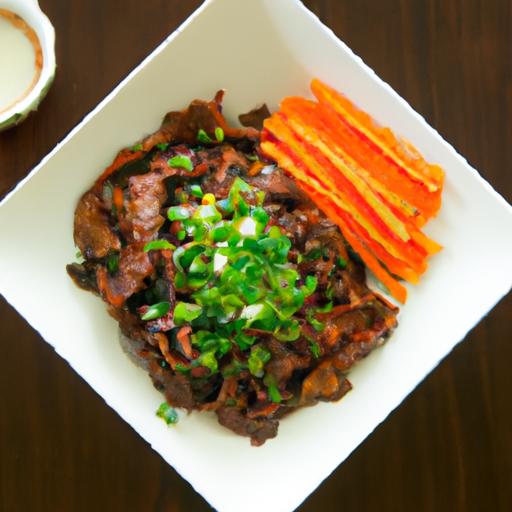

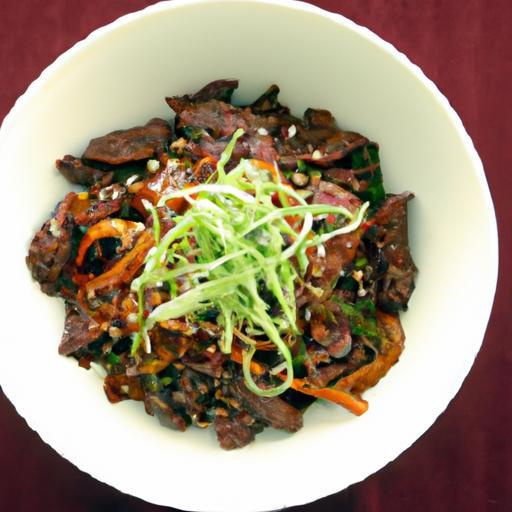

In the hustle and bustle of modern life, finding a meal that’s both quick and bursting with flavor can feel like a culinary treasure hunt. Enter the savory Korean beef bowl-a vibrant dish that transforms simple ingredients into a symphony of taste, ready to satisfy your cravings in mere minutes. Melding tender, marinated beef with aromatic spices and a touch of sweetness, this flavorful feast brings the heart of Korean cuisine straight to your dinner table. Whether you’re a kitchen novice or a seasoned cook, these bowls promise an effortless way to elevate your weeknight meals with bold, unforgettable flavors. Let’s dive into the world of savory Korean beef bowls and discover how to create this delicious masterpiece in a flash.
Savory Korean Beef Bowls bring a vibrant taste of Korea right to your kitchen with their masterful balance of sweet soy and fiery spice. Originating from a blend of traditional Korean bulgogi elements and modern quick-cook methods, this dish captivates with tender, marinated beef and a crispy vegetable contrast served atop fluffy steamed rice. My first encounter with this recipe was a revelation-a perfect marriage of familiar comfort and exciting new flavors that can be whipped up in under thirty minutes, perfect for busy weeknights or when you crave a soulful, sizzling feast.
Prep and Cook Time
Preparation: 10 minutes
Marinade Time: 15 minutes
Cooking Time: 10 minutes
Total: 35 minutes
Yield
Serves 4 generous portions
Difficulty Level
Easy to Medium – accessible for home cooks looking to impress with bold flavor and minimal fuss
Ingredients
- 1 lb thinly sliced beef sirloin or ribeye
- 3 tbsp soy sauce (low sodium recommended)
- 2 tbsp brown sugar or honey
- 1 tbsp toasted sesame oil
- 2 tsp Korean chili paste (gochujang)
- 4 cloves garlic, finely minced
- 1 tsp freshly grated ginger
- 1/2 tsp black pepper
- 1 medium yellow onion, thinly sliced
- 2 green onions, sliced on the diagonal
- 1 cup shredded carrots
- 1 cup thinly sliced cucumber (optional for crunch)
- 2 cups cooked jasmine or short-grain rice
- 1 tbsp vegetable oil or canola oil for cooking
- 1 tbsp toasted sesame seeds (for garnish)
Instructions
- Prepare the marinade: In a medium bowl, whisk together the soy sauce, brown sugar, sesame oil, gochujang, garlic, ginger, and black pepper until well combined.
- Marinate the beef: Add the thinly sliced beef to the marinade and toss to coat evenly. Let it rest at room temperature for 15 minutes, allowing the flavors to meld and the beef to tenderize.
- Prep the vegetables: While the beef marinates, slice the onion, green onions, carrots, and cucumber. Set aside for serving.
- Cook the beef: Heat vegetable oil in a large skillet over medium-high heat. Add the marinated beef along with onions, spreading the beef in a single layer. Sauté until the beef is just browned and caramelized, about 5-7 minutes, stirring occasionally to prevent sticking and ensure even cooking.
- Warm the rice: If not freshly cooked, reheat jasmine or short-grain rice to warm-steamed rice provides the ideal fluffy base for the bowl.
- Assemble the bowls: Divide rice among four bowls, top with the savory beef and onions, then add a colorful layer of shredded carrots, cucumber slices, and sprinkled green onions.
- Garnish and serve: Finish each bowl with a sprinkle of toasted sesame seeds and an optional drizzle of extra sesame oil or a pinch of chili flakes for additional heat.
Tips for Success
- Achieving tender beef: Slice meat thinly against the grain; this reduces chewiness and enhances tenderness.
- Marinating time: Fifteen minutes is sufficient, but you can extend up to 1 hour for deeper flavor without over-tenderizing the beef.
- Ingredient swaps: For a lighter option, substitute sirloin with lean ground beef or thinly sliced turkey breast-adjust cook time accordingly.
- Make-ahead tips: Marinade can be prepared in advance and stored in the refrigerator for up to two days. Assemble just before serving to retain freshness.
- Vegetable additions: Feel free to include blanched spinach or sautéed mushrooms to add earthiness and texture.
Savory Korean Beef Bowls Serving Suggestions
To elevate your Korean beef bowl experience, serve alongside crisp, refreshing kimchi or pickled radishes for a tangy bite that cuts through the richness of the meat. Offer a side of steamed broccoli or sautéed bok choy drizzled with a touch of garlic soy sauce. Garnish the bowl with thinly sliced nori strips or a soft-boiled egg with a runny yolk for added umami sophistication. Presentation is key-layering textures and colors makes this dish as visually exciting as it is delicious.
| Nutrient | Per Serving |
|---|---|
| Calories | 410 kcal |
| Protein | 32 g |
| Carbohydrates | 35 g |
| Fat | 15 g |

Expand your culinary repertoire with more Korean-inspired delights in our Korean Recipes Collection, and to deepen your appreciation for the authentic ingredients like danmuji or gochujang, visit the Maangchi Authentic Korean Ingredients Guide.
Q&A
Q&A: Savory Korean Beef Bowls – A Flavorful Feast in Minutes
Q1: What makes Korean beef bowls so savory and satisfying?
A1: Korean beef bowls combine the perfect balance of sweet, salty, and umami flavors, typically using ingredients like garlic, soy sauce, sesame oil, and a touch of brown sugar or honey. The beef is usually thinly sliced or ground, allowing the marinade to deeply penetrate, resulting in a dish bursting with rich, mouthwatering taste.
Q2: How can I prepare a Korean beef bowl quickly on a busy weeknight?
A2: The secret to speed lies in thinly slicing the beef or using ground beef, which cooks rapidly. A simple marinade of soy sauce, garlic, ginger, sesame oil, and a sweetener can be mixed while the rice cooks. In less than 30 minutes, you’ll have a steaming bowl of flavorful beef over fluffy rice, garnished with green onions and sesame seeds for extra crunch.
Q3: What are some essential pantry staples for creating authentic Korean flavors at home?
A3: Keep soy sauce, sesame oil, garlic, ginger, and gochujang (Korean chili paste) on hand for a quick flavor upgrade. These ingredients form the backbone of many Korean dishes and allow you to whip up savory beef bowls and other classics without last-minute grocery trips.
Q4: Can Korean beef bowls be customized for different dietary preferences?
A4: Absolutely! Swap traditional white rice for cauliflower rice or quinoa for a lower-carb option. Add more veggies like spinach, carrots, or mushrooms to amp up nutrition. For those who prefer less heat, reduce or omit the gochujang; for spice lovers, add a sprinkle of crushed chili flakes.
Q5: What toppings best complement the flavors in a Korean beef bowl?
A5: Classic toppings include thinly sliced green onions, toasted sesame seeds, and a fried or soft-poached egg to add creaminess. Pickled vegetables, like kimchi or quick-pickled cucumbers, introduce a tangy contrast that brightens the dish. Crushed seaweed flakes can also add a subtle oceanic flavor.
Q6: Is it necessary to marinate the beef for a long time?
A6: Not at all! Because the beef is usually thinly sliced or ground, even a short 10-15 minute marination is enough for maximum flavor. This makes Korean beef bowls perfect for spontaneous meals that taste like they took hours to prepare.
Q7: How can I make the dish more vibrant and colorful?
A7: Incorporate a mix of vegetables like julienned carrots, shredded cabbage, or sautéed spinach. Bright garnishes such as sliced scallions, fresh cilantro, or a drizzle of spicy mayo can bring visual appeal alongside burst of flavor. These touches turn your bowl into a feast for both the eyes and the palate.
Q8: What rice varieties work best for Korean beef bowls?
A8: Traditionally, short-grain or medium-grain white rice is used for its sticky texture, helping it cling to beef and sauce. However, brown rice or mixed grain rice can add nuttier flavors and extra fiber, appealing to those wanting a heartier base without sacrificing authenticity.
Q9: Can I prepare a Korean beef bowl in advance and reheat it?
A9: Yes! Prepare the beef mixture and rice ahead of time and store them separately in the fridge. When ready to eat, simply reheat both components and assemble with fresh toppings. This makes Korean beef bowls an excellent option for meal prep and quick lunches.
Q10: What’s the best way to serve Korean beef bowls for a crowd?
A10: Set up a DIY station with bowls of cooked rice, beef, and an assortment of toppings like kimchi, sliced cucumbers, sesame seeds, green onions, and boiled eggs. Guests can personalize their bowls, making the meal interactive, fun, and flavorful – perfect for casual gatherings or family dinners.
In Retrospect
In the whirlwind of modern life, where time is often a luxury, savory Korean beef bowls emerge as the perfect culinary solution-quick to prepare, yet rich in flavor and tradition. These bowls are more than just a meal; they are a vibrant celebration of Korean cuisine’s bold spices and comforting textures, all neatly packed into a satisfying bowl. Whether you’re a seasoned home cook or a kitchen novice, embracing this flavorful feast means you don’t have to sacrifice taste for convenience. So next time hunger calls, reach for the ingredients that turn simple beef into a memorable dining experience-because sometimes, the best meals are the ones that come together in minutes but leave a lasting impression.