

Golden Breakfast Bliss: The Art and History of French Toast
There’s something undeniably magical about the first bite of French toast-the delicate crispness giving way to a tender, custard-kissed center, often crowned with a drizzle of syrup or a dusting of powdered sugar. This beloved morning treat, known by many names across the globe, has a rich tapestry woven through centuries of culinary creativity and cultural exchange. From humble beginnings as a clever way to rescue stale bread to becoming an icon of indulgence on brunch menus worldwide, French toast tells a story that is as golden and layered as the dish itself. Join us as we explore the art and history of French toast, uncovering the secrets behind its timeless appeal and savoring the journey of this breakfast classic through time and taste.
Discovering the Heart of Golden Breakfast Bliss: Crafting the Ultimate French Toast
Golden Breakfast Bliss begins with an irresistible custard soak that transforms humble bread into a tender, custardy delight crowned by a golden crisp. This dish, beloved worldwide, mirrors centuries of culinary evolution passing from simple sustenance to a breakfast icon cherished across continents.
Originally inspired by ancient Roman recipes, French toast traveled through regions and eras, adapting to local breads and flavors, making each bite a story of cultural fusion. Today, mastering the perfect custard soak and choosing complementary breads and toppings ensures your version shines with its own signature charm.
Prep and Cook Time
- Preparation: 10 minutes
- Cooking: 15 minutes
- Total Time: 25 minutes
Yield
Serves 4 hearty portions
Difficulty Level
Easy to Medium – Perfect for passionate home cooks ready to elevate their breakfast game
Ingredients
- 6 large eggs, at room temperature
- 1 ½ cups whole milk or cream for richer custard
- 3 tablespoons pure vanilla extract
- 2 tablespoons maple syrup or honey
- 1 teaspoon ground cinnamon
- Pinch of salt
- 8 slices thick-cut brioche or challah bread, slightly stale for best absorption
- Butter or high-smoke-point oil for frying
Instructions
- Prepare the custard soak: In a large mixing bowl, whisk together the eggs, milk, vanilla, maple syrup, cinnamon, and salt until fully combined and slightly frothy. This soak is the golden elixir that infuses the bread with flavor and moisture.
- Soak the bread slices: Dip each slice into the custard mixture, allowing it to soak for about 20 seconds per side. For thicker breads, press gently to help the custard penetrate deeply without falling apart.
- Heat the pan: Warm a large skillet or griddle over medium heat and melt a generous knob of butter or drizzle oil until shimmering, ensuring an even, golden crust later.
- Cook the French toast: Place soaked slices onto the skillet. Sauté until golden brown and slightly crisp on the bottom, about 4-5 minutes, then gently flip and cook the other side similarly. Adjust heat as necessary to avoid burning while achieving a luscious crust.
- Keep warm: Transfer cooked slices to a wire rack placed over a baking sheet in a warm oven (about 200°F/90°C) to keep crispy while finishing the batch.
- Serve immediately: Layer your French toast with favorite toppings and enjoy the sweet symphony of textures and flavors.
Tips for Success
- Use slightly stale or day-old bread to prevent sogginess while maintaining a creamy interior.
- For a dairy-free option, swap whole milk with almond or oat milk, and butter with coconut oil.
- Experiment with spices such as nutmeg, cardamom, or ground ginger for a twist on classic cinnamon.
- Prepare the custard soak in advance and refrigerate for up to 2 hours to deepen flavors.
- When cooking, avoid overcrowding the pan; this helps maintain consistent temperature for perfect browning.
Serving Suggestions
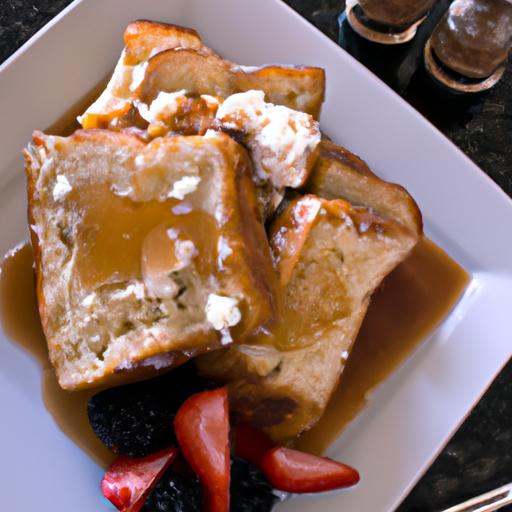
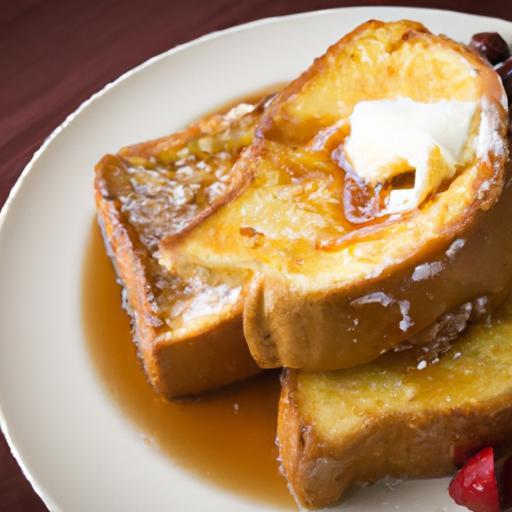
Enhance your Golden Breakfast Bliss by pairing French toast with seasonal berries, a dollop of whipped cream, or a drizzle of high-quality maple syrup. Toasted nuts, fresh mint sprigs, or a dusting of powdered sugar add elegance and textural contrast. For a savory twist, serve alongside sautéed mushrooms and herbed goat cheese.

| Nutrient | Amount per Serving |
|---|---|
| Calories | 320 |
| Protein | 12g |
| Carbohydrates | 38g |
| Fat | 12g |
To explore more brunch classics that pair perfectly with your French toast, check out our guide on Fluffy Pancakes with Fresh Fruit. For rich historic insights on bread and custards, visit Britannica’s French Toast article.
Q&A
Q1: What is French toast, and why is it often called “Golden Breakfast Bliss”?
A: French toast is a delightful breakfast dish made by soaking bread slices in a mixture of beaten eggs and milk, then frying them to a perfect golden crisp. Its warm, tender, and slightly caramelized texture is reminiscent of breakfast comfort and indulgence, earning it the nickname “Golden Breakfast Bliss.”
Q2: How did French toast originate, and what are its historical roots?
A: The origins of French toast trace back to ancient times, with recipes resembling it found in Roman cookbooks. The concept of soaking bread in a custard mixture to avoid waste traveled through medieval Europe, evolving into regional versions. What we now call French toast became popular in the 17th and 18th centuries, celebrated for transforming stale bread into an elegant dish.
Q3: Why is it called “French toast” when its origins are not solely French?
A: The name “French toast” is a bit of a culinary misnomer. While the French call it “pain perdu,” meaning “lost bread,” meant to rescue stale bread, English speakers coined “French toast” likely as a nod to the dish’s refined appeal or simply due to its association with French cuisine. Similar recipes exist worldwide under different names, but the charming name stuck.
Q4: What makes the perfect French toast batter?
A: The magic of French toast lies in its batter-a harmonious blend of eggs, milk or cream, and a pinch of sweetness like sugar or vanilla. These ingredients create a custard that seeps into the bread, creating a luscious interior once cooked. Some add warm spices such as cinnamon or nutmeg to enhance warmth and aroma.
Q5: Which types of bread work best for French toast?
A: Sturdy breads with some density work wonders for French toast. Brioche, challah, or even thick-sliced artisan loaves absorb the custard beautifully without turning soggy. Slightly stale bread is actually ideal since it soaks up just the right amount of liquid, contributing to that perfect balance of softness and crispy edges.
Q6: How has French toast evolved across different cultures?
A: French toast’s journey spans continents and centuries, adapting to local tastes and ingredients. In some cultures, it’s dusted with spices and served with fresh fruits or syrups. Others add a touch of orange zest or top it with creamy ricotta. This versatility makes it a canvas for creative expressions while honoring its comforting roots.
Q7: What are some creative toppings and accompaniments to elevate a French toast breakfast?
A: Elevate your Golden Breakfast Bliss with a medley of toppings: fresh berries, a drizzle of real maple syrup, dollops of whipped cream, or a sprinkle of toasted nuts. A spoonful of honey or a vibrant compote can bring seasonal freshness. For a sumptuous texture contrast, try a dusting of powdered sugar or a scattering of coconut flakes.
Q8: Can French toast be made in advance?
A: Absolutely! French toast can be prepared ahead by soaking the bread in the batter and refrigerating it overnight for deeper flavor infusion. Cook just before serving to keep that crisp exterior intact. Leftovers reheat well in a toaster oven or skillet, making it a convenient yet elegant breakfast choice.
Q9: Why does French toast hold such a special place in breakfast traditions worldwide?
A: French toast combines comfort, nostalgia, and the art of making something extraordinary from humble ingredients. It embodies warmth and hospitality, inviting slow morning moments. Its adaptability and satisfying blend of textures and flavors make it a beloved ritual that transcends cultures and generations.
Q10: What tips can ensure French toast is perfectly cooked every time?
A: To achieve flawless French toast, use medium heat to gently cook the slices, allowing the custard to set without burning. Butter or a neutral oil provides a golden crust and rich flavor. Let the bread soak long enough but not too much, avoiding a soggy mess. Finally, patience is key-flip carefully and cook until each side boasts that signature golden hue.
The Conclusion
As the final drizzle of syrup glistens on your plate and the warm aroma of golden toast lingers in the air, it’s clear that French toast is more than just a breakfast dish-it’s a timeless culinary ritual. From its humble origins in ancient kitchens to its evolution into a beloved morning treat across the globe, French toast embodies the perfect blend of history, artistry, and comfort. Whether enjoyed with a dusting of powdered sugar, fresh berries, or a decadent dollop of cream, each bite is a celebration of tradition and creativity. So next time you savor that blissful golden slice, remember: you’re not just enjoying breakfast-you’re partaking in a delicious story that has been told for centuries, one flavorful forkful at a time.