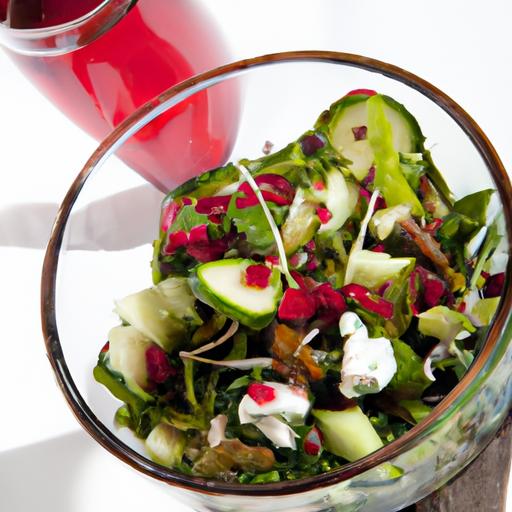

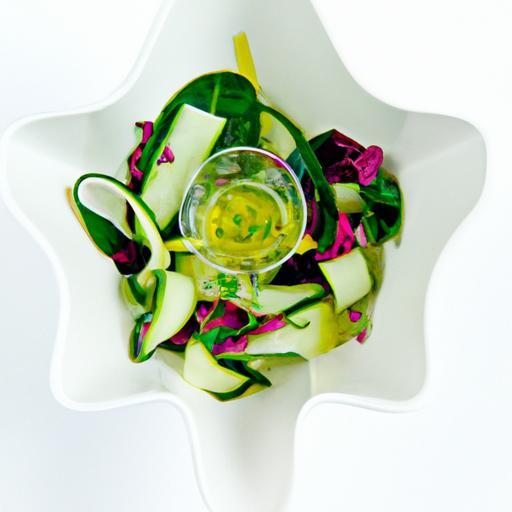

There’s an art to simplicity, and few culinary classics embody this truth quite like the vinaigrette. At the heart of countless salads, marinades, and sauces, the vinaigrette’s magic lies in its perfect balance – a harmonious dance between tangy vinegar and rich oil. Mastering the classic 3:1 ratio of oil to vinegar is the secret to unlocking this timeless dressing’s full potential. In this guide, we’ll demystify the science and craft behind the quintessential vinaigrette, showing you how to blend, balance, and elevate your dishes with this effortlessly elegant staple. Whether you’re a kitchen novice or a seasoned chef, get ready to transform your salads from simple to sensational with the perfect vinaigrette every time.
Mastering the classic vinaigrette with a perfect 3:1 oil to vinegar ratio is a timeless culinary skill that elevates any salad or dish with the subtle harmony of acidity and richness. This harmonious blend has roots in French cuisine but transcends borders, offering endless versatility. Whether drizzled over crisp greens, roasted vegetables, or grain bowls, understanding the science behind this ratio allows you to craft dressings that are both balanced and bursting with flavor.
Prep and Cook Time
- Preparation: 10 minutes
- Cook Time: None
- Total Time: 10 minutes
Yield
Approximately 1 cup (enough for 6-8 servings)
Difficulty Level
Easy – Ideal for home cooks and culinary enthusiasts wanting to refine their dressings
Ingredients
- ¾ cup extra virgin olive oil – cold-pressed for a fruity, peppery finish
- ¼ cup high-quality vinegar (choose from apple cider, balsamic, or sherry vinegar)
- 1 teaspoon Dijon mustard – for emulsification and tang
- 1 small garlic clove, finely minced (optional)
- ½ teaspoon honey or maple syrup for subtle sweetness (optional)
- Salt and freshly ground black pepper to taste
- Fresh herbs (such as chopped tarragon, parsley, or chives) to finish
Instructions
- Combine the vinegar, mustard, garlic, and sweetener in a medium bowl. Whisk vigorously until all ingredients are well blended. The mustard acts as a natural stabilizer, so it’s essential for a lovely, silky texture.
- Slowly drizzle in the olive oil in a thin, steady stream while continually whisking. This gradual addition encourages the oil to emulsify with the vinegar, transforming separate liquids into a smooth, creamy dressing.
- Continue whisking for about 1-2 minutes, until the vinaigrette looks glossy and thoroughly combined. The sauce should coat the back of a spoon without separating.
- Season with salt and freshly ground black pepper to taste; adjust sweetness or acidity by adding a touch more honey or vinegar if necessary.
- Stir in finely chopped herbs of your choice just before serving to inject a vibrant herbal freshness and signature twist.
Chef’s Notes: Tips for Success
- Always use the freshest extra virgin olive oil – it’s the heart of your dressing and sets the flavor foundation.
- Experiment with vinegars: Apple cider brings subtle fruitiness, balsamic adds depth and sweetness, sherry vinegar lends a nutty, complex tang.
- Need a thicker, creamier vinaigrette? Add a teaspoon of whole grain mustard or Greek yogurt for body and mild tang.
- To emulsify easily without whisking, combine ingredients in a small jar, seal tightly, and shake vigorously for 30 seconds.
- If your vinaigrette separates, re-emulsify by whisking briskly or blending briefly with a handheld mixer.
- Make ahead and store in the refrigerator for up to 5 days; bring to room temperature and whisk/ shake before using.
- Avoid using highly delicate oils like walnut or flaxseed for warm dishes as they lose their flavor and oxidize quickly.
Serving Suggestions
Drizzle this rich, perfectly balanced vinaigrette over a crunchy mesclun mix, heirloom tomatoes, or roasted root vegetables. Garnish with an extra sprinkle of fresh herbs and a few cracked black peppercorns. For a complete meal, use it to marinate grilled chicken breasts or drizzle over quinoa and chickpea bowls enhanced by roasted peppers and feta. A few toasted nuts or seeds add an inviting crunch that pairs beautifully with the silky dressing.
| Nutrient | Per 2 Tbsp Serving |
|---|---|
| Calories | 120 |
| Protein | 0g |
| Carbohydrates | 1g |
| Fat | 14g |
Internal Link: For more tips on using fresh herbs, check out our article on Using Fresh Herbs in Cooking.
External Resource: Discover the science behind emulsifying oils and vinegar in this helpful guide from Serious Eats.

Q&A
Q: What is the classic vinaigrette ratio, and why is it important?
A: The classic vinaigrette ratio is 3 parts oil to 1 part acid (usually vinegar or citrus juice). This balance is crucial because it creates a harmonious dressing that’s neither too sharp nor too greasy-just perfectly emulsified to coat your greens and enhance flavors.
Q: Can I use any type of oil for the vinaigrette?
A: Absolutely! While extra virgin olive oil is a popular choice thanks to its rich, fruity notes, feel free to experiment with nut oils, avocado oil, or even a mild seed oil. Each oil lends a unique character, elevating your vinaigrette from simple to stunning.
Q: What acids work best in a vinaigrette?
A: Traditional vinegars such as balsamic, apple cider, or champagne vinegar are excellent options. Fresh citrus juices like lemon or lime add a zesty brightness that beautifully brightens your salads.
Q: How do I ensure my vinaigrette emulsifies properly?
A: Start by whisking your acid and seasonings together, then slowly drizzle in the oil while whisking vigorously. This gradual incorporation traps tiny droplets of oil in the acid, forming a smooth and luscious emulsion.
Q: What seasonings should I add to a basic vinaigrette?
A: Salt and freshly cracked black pepper are essential to balance flavors. From there, garlic, Dijon mustard, fresh herbs like tarragon or basil, or a touch of honey can add complexity and charm.
Q: Can I store vinaigrette ahead of time?
A: Yes! Vinaigrette can be made in advance and refrigerated in a sealed container for up to a week. Just remember to shake or whisk it before serving, as natural separation is normal.
Q: How can I adjust the classic 3:1 ratio for different tastes?
A: If you prefer a tangier dressing, try a 2.5:1 ratio to bring out more acidity. For a richer, silkier vibe, increase the oil slightly. The beauty of this ratio is its flexibility to suit your palate.
Q: What dishes pair especially well with a classic vinaigrette?
A: Beyond green salads, vinaigrette is fantastic drizzled over roasted vegetables, grilled mushrooms, or as a light finishing touch on grain bowls. Its bright, balanced flavor adds lift without overpowering.
Q: Is there a way to make vinaigrette creamier without adding mayonnaise or cream?
A: Yes! Whisking in a teaspoon of Dijon mustard helps stabilize the emulsion while adding a subtle tangy depth, resulting in a velvety texture that clings beautifully to your ingredients.
Q: How do temperature and freshness impact vinaigrette?
A: Using fresh, high-quality oil and acid makes all the difference-stale oils can taste flat or rancid, and old vinegar loses brightness. Also, room temperature ingredients emulsify more easily than chilled ones, so let them sit briefly before mixing.
Concluding Remarks
Mastering the classic vinaigrette is more than just mixing oil and vinegar-it’s about unlocking a timeless balance that transforms ordinary salads into vibrant culinary experiences. With the perfect 3:1 ratio as your guiding star, you hold the key to harmony in every drop. Whether you’re a kitchen newbie or a seasoned chef, this fundamental formula invites you to experiment, adjust, and ultimately craft dressings that sing with flavor. So next time you whisk together your vinaigrette, remember: simplicity and precision are your allies, turning a humble dressing into a masterpiece of taste. Happy dressing!