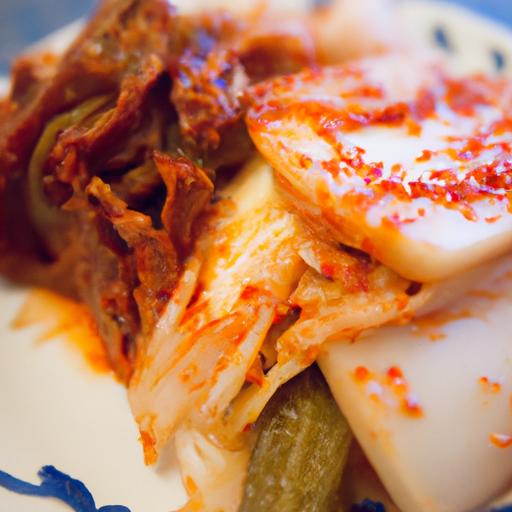

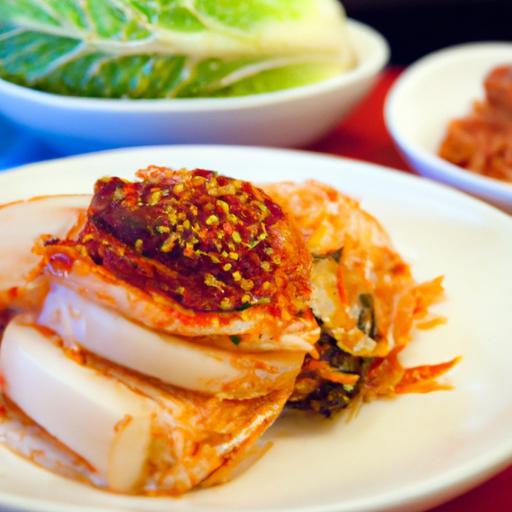

In a world brimming with culinary wonders, few dishes capture the vibrant spirit of tradition quite like kimchi. This iconic Korean staple, with its bold tang and punchy zest, is more than just a side-it’s a celebration of culture, history, and fermentation magic. Yet, for many, the prospect of making kimchi at home feels like a daunting adventure into the unknown. Fear not! “Kimchi Made Easy: Your Simplified Guide to Tangy Tradition” is here to turn that mystique into mastery. Whether you’re a kitchen newbie or a seasoned foodie, this guide will unwrap the secrets of kimchi’s complex flavors and show you how to craft your own perfectly tangy, crunchy jars of deliciousness-no passport required. Let’s dive headfirst into a world where tradition meets simplicity, one flavorful bite at a time.
Kimchi Made Easy: Your Simplified Guide to Tangy Tradition
Kimchi Made Easy: Your Simplified Guide to Tangy Tradition invites you to explore the depths of Korean cuisine’s most celebrated fermented dish. Originating centuries ago, kimchi is a cornerstone of Korean culture, celebrated for its vibrant flavors and health benefits. My journey with kimchi began in a bustling Seoul market, where the spicy aroma and striking red hues enchanted me. Since then, I have perfected a method that captures its authentic tang while simplifying the process for home cooks everywhere.
Prep and Cook Time
Preparation Time: 30 minutes + 24-72 hours fermentation
Cook Time: No cooking required
Total Time: 30 minutes prep + fermentation period
Yield
Approximately 6 cups (serves 4-6 as a side dish)
Difficulty Level
Easy to Medium – perfect for beginners with detailed steps and tips
Ingredients
- 1 large Napa cabbage (about 2-3 pounds), halved and quartered
- 1/4 cup coarse sea salt (for salting the cabbage)
- 4 cups water (tap or filtered, for soaking)
- 5-6 garlic cloves, finely minced
- 1 tablespoon fresh ginger, minced
- 1 medium yellow onion, finely grated
- 3 tablespoons Korean red chili pepper flakes (gochugaru) – adjust to taste for mild or fiery heat
- 1 tablespoon glutinous rice flour (sweet rice flour)
- 1 tablespoon sugar (to balance the tang)
- 1/4 cup fish sauce (for umami depth) – vegetarian substitute: soy sauce or tamari
- 5 scallions, chopped into 1-inch pieces
- 1 small carrot, julienned
- 1 daikon radish, julienned
Instructions
- Prepare the cabbage: Rinse the Napa cabbage and cut it into quarters. In a large bowl, dissolve the sea salt in 4 cups of water. Immerse the cabbage quarters, layering and pressing gently to submerge. Let soak for 2 hours, flipping every 30 minutes to ensure even salting.
- Rinse and drain: After 2 hours, thoroughly rinse the cabbage under cold water to remove excess salt. Drain well with a colander.
- Make the rice flour paste: In a small saucepan over medium heat, whisk together 1 cup water and glutinous rice flour. Stir continuously until thickened and translucent, about 3-5 minutes. Remove from heat, cool slightly, and stir in sugar.
- Create the kimchi paste: In a mixing bowl, combine the cooled rice flour paste with garlic, ginger, grated onion, gochugaru, and fish sauce (or soy sauce). Mix until you get a vibrant, thick, spicy paste.
- Mix vegetables and paste: Add scallions, carrot, and daikon radish to the paste. Wearing kitchen gloves to protect your hands, carefully massage the paste into each cabbage leaf, evenly coating every layer.
- Pack the kimchi: Firmly pack the coated cabbage into a clean, airtight jar or fermentation crock. Press down to remove air pockets and leave about 1 inch of space at the top.
- Fermentation: Seal the container and leave at room temperature (65-72°F) for 24 to 72 hours. Check daily, pressing down kimchi to keep it submerged in its juice. When it achieves a balanced tangy flavor and bubbly texture, refrigerate to slow fermentation.
- Enjoy: Kimchi can be eaten fresh or aged. Store chilled for up to 1 month, tasting regularly to enjoy your preferred level of tanginess.
Tips for Success with Kimchi Made Easy
- Salt selection: Coarse sea salt preserves the cabbage texture better than fine table salt.
- Controlling spice: Adjust gochugaru quantity according to your heat preference. Use milder flakes for gentler flavors.
- Gluten-free option: Ensure glutinous rice flour is certified gluten-free if needed.
- Vegetarian alternative: Substitute fish sauce with tamari or soy sauce. Add a bit of seaweed powder for oceanic depth.
- Fermentation environment: Cooler kitchens slow fermentation, requiring longer times. Warmer kitchens speed it up-monitor daily.
- Make-ahead: Kimchi’s flavor improves with time, so make it a week ahead to enjoy enhanced complexity.
- Prevent spoilage: Keep all equipment and hands clean. Remove any white mold (kahm yeast) immediately-it’s harmless but should be skimmed off.
Creative Serving Suggestions
Kimchi Made Easy is not just a side-its tangy punch elevates many dishes:
- Kimchi Fried Rice: Sauté chopped kimchi with day-old rice, sesame oil, and scallions for a quick, savory meal.
- Kimchi Pancakes: Mix chopped kimchi with flour and egg batter, pan-fry until golden, perfect for snacking.
- Cold Noodle Bowls: Add a spoonful of crunchy kimchi atop cold noodles with cucumber and sesame seeds for refreshing heat.
- Kimchi Grilled Cheese: Layer kimchi with sharp cheddar between bread to create zingy, melty sandwiches.
- Garnishes: Use finely chopped kimchi as a topping on avocado toast or creamy soups for texture and spice contrast.
| Nutrient | Per 1/2 cup serving |
|---|---|
| Calories | 25 kcal |
| Protein | 1 g |
| Carbohydrates | 4 g |
| Fat | 0.2 g |
| Fiber | 1.5 g |
For more Korean fermentation delights, check out our guide to homemade fermented bean paste. Discover the rich tradition behind fermented foods with insights from National Geographic’s coverage of kimchi culture.

Q&A
Q&A: Kimchi Made Easy – Your Simplified Guide to Tangy Tradition
Q1: What exactly is kimchi, and why is it so iconic in Korean cuisine?
A1: Kimchi is a traditional Korean fermented vegetable dish, most famously made with napa cabbage and Korean radish. It’s celebrated for its vibrant tangy, spicy flavor and probiotic goodness. Beyond a mere side dish, kimchi is a cultural icon that showcases the artistry of fermentation, balancing bold flavors that evolve over time.
Q2: Do I need special equipment or ingredients to make kimchi at home?
A2: Not at all! While traditional methods use special Korean tools like onggi (earthenware pots), you can easily make kimchi with common kitchen items: a large bowl, a colander, and airtight containers or jars. Ingredients like napa cabbage, garlic, ginger, Korean chili flakes (gochugaru), fish sauce (or vegetarian substitutes), and scallions are widely accessible at international markets or specialty stores.
Q3: How does fermentation work in kimchi, and how long should I let it ferment?
A3: Fermentation is the magic behind kimchi’s distinctive taste. Beneficial bacteria convert sugars in the vegetables into lactic acid, creating that tangy, refreshing zing. The fermentation time varies with temperature and personal preference-usually 1 to 3 days at room temperature for the initial fermentation, then stored in the fridge to slow it down. The flavor deepens the longer it ages, so feel free to experiment!
Q4: Is kimchi healthy?
A4: Absolutely! Kimchi is rich in vitamins A, B, and C, and loaded with fiber from the vegetables. Its fermentation process produces probiotics, which support a happy gut and boost immunity. Plus, kimchi is low in calories but high on flavor, making it a nutritious addition to a balanced diet.
Q5: Can I customize my kimchi to suit my taste?
A5: Definitely! Kimchi is incredibly versatile. While napa cabbage and gochugaru are traditional, you can experiment with other veggies like cucumbers, carrots, or mustard greens. Adjust the spice level by adding more or less chili flakes, and even tweak saltiness or sweetness to create your unique tangy masterpiece.
Q6: How should I store kimchi to maintain its flavor and freshness?
A6: Once your kimchi has fermented to your liking, store it in a sealed container in the refrigerator. Cold slows fermentation, preserving the crisp texture and balancing the flavors. Use clean utensils every time to avoid contamination, and enjoy it within a few weeks for the best taste.
Q7: What are some creative ways to enjoy kimchi beyond just a side dish?
A7: Kimchi is a culinary superstar! Toss it into fried rice, blend it into savory pancakes, mix it into noodles, or even add it to hearty stews. Its dynamic tang and spice can brighten sandwiches, tacos, and grain bowls, bringing a delicious punch to everyday meals.
Q8: I’m new to fermentation-what are common pitfalls to avoid when making kimchi?
A8: Great question! The biggest challenges are under-salting, which can lead to spoilage, and not packing the kimchi tightly enough to eliminate air pockets-this is crucial for proper fermentation. Also, use fresh vegetables and keep everything clean to foster beneficial bacteria. Follow the recipe closely at first, then tweak as you gain confidence!
With this simplified Q&A, your journey into making kimchi is less daunting and much more delicious. Embrace the tang, dive into tradition, and discover the joy of homemade kimchi!
The Conclusion
As you embark on your journey to craft this vibrant, tangy tradition, remember that kimchi is more than just a recipe-it’s a living story of culture, patience, and flavor. With every fold and ferment, you’re not only creating a delicious addition to your table but also connecting with centuries of Korean heritage made accessible through simple steps. So gather your ingredients, embrace the tang, and let your kitchen become a small crucible of history and zest. Kimchi made easy isn’t just a guide-it’s your invitation to savor tradition, one crunchy bite at a time.