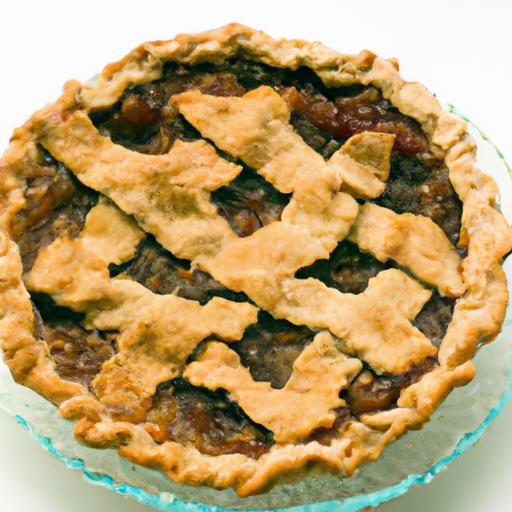

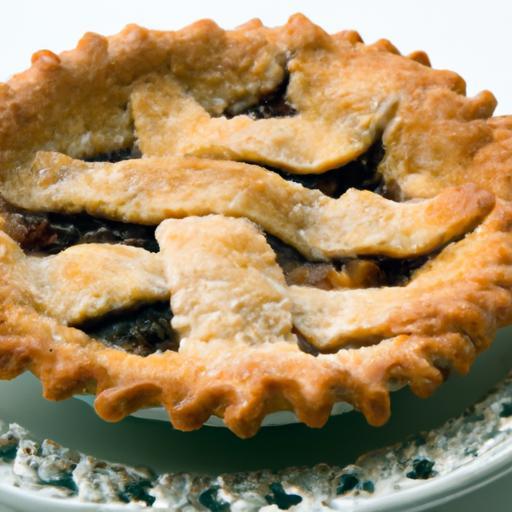

Beneath the golden, crumbly surface of shoofly pie lies more than just a dessert-it harbors a slice of history, a whisper of tradition, and a tale of sweet ingenuity. This humble pie, with its rich molasses filling and flaky crust, has been enchanting taste buds for centuries, especially in Pennsylvania Dutch kitchens where it first gained fame. But what makes its crust so irresistibly special? In this article, we’ll uncover the lesser-known secrets behind shoofly pie’s buttery base, exploring how a simple blend of ingredients forged a comforting legacy that continues to delight and surprise. Join us as we peel back the layers of time to discover the sweet history behind the crust.
Shoofly Pie Origins and the Cultural Roots of Its Unique Crust
Shoofly Pie Secrets begin with a glimpse into the rich history of a dessert beloved by Pennsylvania Dutch communities. This pie’s signature crust, slightly crumbly yet sweetly tender, traces back to humble beginnings where resourcefulness met regional flavors. The crust is not just a vessel for the molasses filling but a character on its own-crafted using techniques passed down through generations, rooted in the agricultural lifestyle and simple pantry staples of early settlers. Its rustic charm embodies more than taste; it captures an enduring tradition of comfort and celebration.
Crafting the Perfect Shoofly Crust Ingredients and Techniques Revealed
Mastering Shoofly Pie Secrets in the crust starts with precise ingredients and time-honored techniques. The base includes all-purpose flour for structure, enriched with butter or solid vegetable shortening for tenderness and flakiness. A touch of sugar adds subtle sweetness, while a pinch of salt balances the flavors. Cold fats cut into the flour create that sought-after texture-where each bite yields flakes that melt on the palate.
Incorporating a splash of cold water binds the dough gently without activating too much gluten, preserving delicacy and crumb. Resting the dough in the refrigerator before rolling ensures it remains firm and easier to handle, preventing shrinkage or toughness during baking. The dance of temperature, technique, and quality ingredients unlocks a crust that is both flaky and tender, a rare duality that exemplifies the heart of these pie-making secrets.
Baking Tips for Achieving a Flaky Yet Tender Shoofly Pie Crust
- Chill every ingredient and tool. Use cold butter, ice water, and even chill your mixing bowl for an ultra-flaky crust.
- Handle the dough minimally. Overworking activates gluten that toughens crust; mix just until combined.
- Roll from the center outward. This promotes even thickness and prevents cracking.
- Pre-bake (blind bake) if desired. Shield the bottom from becoming soggy by lining with parchment and weights.
- Use an egg wash sparingly. Lightly brushing the crust’s edges adds a golden sheen without compromising texture.
Exploring Modern Twists While Honoring Traditional Shoofly Pie Crusts
While the Shoofly Pie Secrets respect time-tested methods, experimenting with whole wheat pastry flour can add a toasty nuttiness, deepening the flavor profile without overwhelming tradition. Alternative fats like coconut oil introduce subtle layers of complexity and moistness for those seeking a novel spin. Some artisans play with laminated dough techniques for dramatically flakier crusts, blending old and new craftsmanship.
Sweeten the crust with a hint of cinnamon or nutmeg, amplifying the warm aromas intrinsic to the pie’s filling. Many modern cooks inspire by pairing the pie with fresh whipped cream infused with vanilla or a drizzle of local honey, keeping the focus on simplicity and authenticity. This balance of innovation with heritage makes the crust not just a base, but a celebration of history on every plate.
Prep and Cook Time
- Preparation: 20 minutes
- Resting Time: 30 minutes
- Baking: 50 minutes
Yield
Serves 8 generous slices
Difficulty Level
Medium – Perfect for home bakers ready to deepen their pie skills.
Ingredients
- 1 1/4 cups all-purpose flour, sifted
- 1/2 teaspoon salt
- 1 tablespoon granulated sugar
- 1/2 cup unsalted butter, very cold, cut into small cubes
- 3-4 tablespoons ice-cold water
Instructions
- In a large bowl, combine the sifted flour, salt, and sugar. Mix gently to blend dry ingredients.
- Add the cold butter cubes to the flour mixture. Using a pastry cutter or your fingertips, quickly cut the butter into the flour until the mixture resembles coarse crumbs with pea-sized bits.
- Sprinkle 3 tablespoons of ice water over the mixture. Gently mix with a fork, adding more water one teaspoon at a time only if needed, just until the dough starts to clump together.
- Turn the dough onto a lightly floured surface. With floured hands, gently pat the dough into a disk shape, avoiding kneading. Wrap tightly in plastic wrap and refrigerate for at least 30 minutes.
- Preheat oven to 375°F (190°C). Remove dough from fridge and let rest for 5 minutes.
- Roll the dough out into a 12-inch circle about 1/8 inch thick, rotating as you roll to maintain even thickness.
- Transfer to a 9-inch pie pan, gently pressing into the corners without stretching. Trim excess dough, leaving a slight overhang.
- Crimp the edges decoratively or simply press with a fork to seal.
- Fill with your Shoofly molasses filling (recipe linked in this article).
- Bake for 50 minutes, until crust edges are golden and filling bubbles softly.
Tips for Success
- Keep all ingredients cold to prevent butter from melting prematurely, ensuring a flaky crust.
- Use a bench scraper to lift dough when transferring to avoid tearing.
- For a richer crust, substitute 1/4 cup of butter with vegetable shortening.
- If pie edges brown too quickly, shield them with foil halfway through baking.
- Dough can be made up to two days ahead and stored refrigerated or frozen for up to one month.
Serving Suggestions
Serve slices of shoofly pie slightly warm or at room temperature, enhancing the crust’s flaky tenderness. Pair with a dollop of whipped cream or a scoop of vanilla bean ice cream for cool contrast. Garnish with a sprinkle of finely chopped toasted pecans or a light dusting of powdered sugar for a visually inviting finish. Accompanying the pie with a steaming cup of black tea or spiced chai perfectly complements its molasses sweetness and humble crust beauty.

| Nutrient | Per Slice |
|---|---|
| Calories | 320 |
| Protein | 4g |
| Carbohydrates | 42g |
| Fat | 15g |
For further exploration into molasses and traditional baking techniques, visit the Encyclopedia Britannica on Molasses.
Q&A
Q&A: Shoofly Pie Secrets – The Sweet History Behind the Crust
Q: What exactly is shoofly pie, and where did it originate?
A: Shoofly pie is a sweet molasses-based pie with a crumbly, buttery crust that hails from Pennsylvania Dutch country. Its origins trace back to the 19th century, rooted in the resourceful baking traditions of Amish and Mennonite communities. The pie’s deep molasses flavor combined with its unique texture makes it a beloved comfort dessert.
Q: Why is the crust of shoofly pie so special?
A: Unlike typical pie crusts, the crust of shoofly pie plays a crucial role in balancing the dense, gooey molasses filling. It is often a rich, tender pastry designed not just to hold the filling but to complement its sticky sweetness with a subtle flakiness or crumbly texture. This harmony is part of what keeps shoofly pie cherished through generations.
Q: What secrets contribute to the perfect shoofly pie crust?
A: One key secret is using chilled butter cut into the flour just right-small, cold pieces that create a tender but flaky dough once baked. Additionally, some recipes call for a hint of cornmeal or finely ground oats in the crust for added texture and a rustic flavor boost that pairs beautifully with the molasses.
Q: How does the crust affect the overall shoofly pie experience?
A: The crust is the essential counterpoint to the intensely sweet filling. If the crust is too soft or soggy, the pie feels heavy; if it’s too thick or tough, it overwhelms the molasses. The ideal crust provides a delicate barrier that supports the filling while adding a pleasing contrast in texture-crispy edges surrounding a molasses-laden, tender center.
Q: Are there traditional tips for making shoofly pie crust that have been passed down?
A: Absolutely. Many bakers swear by using simple, pantry-based ingredients like unbleached flour, cold butter, and just a pinch of salt, emphasizing patience in mixing to avoid overworking the dough. Another traditional tip is to blind-bake the crust slightly before filling it, to prevent sogginess-a technique treasured in Pennsylvania Dutch kitchens.
Q: How has the shoofly pie crust evolved over time without losing its heritage?
A: Over the decades, variations have emerged with personal touches-some add a splash of cream or a spoonful of brown sugar to enrich the dough, while others experiment with different flours to deepen flavor or texture. Yet, despite these tweaks, the cornerstone remains: a crust that honors the pie’s humble, homey roots and perfectly balances its molasses sweetness.
Q: Can shoofly pie crust techniques be applied to other desserts?
A: Definitely! The principles behind a great shoofly pie crust-cold fats, gentle mixing, balanced texture-translate beautifully to crumble toppings, tart shells, and other rustic pastries. The interplay of a tender, crumbly crust and a rich filling is universally satisfying and makes shoofly pie a wonderful guide for adventurous bakers.
Q: What makes shoofly pie a truly enduring part of culinary history?
A: Beyond its rich molasses flavor, shoofly pie embodies the story of simplicity, adaptability, and regional tradition. The secret to its charm lies as much in its crust as in its filling-a testament to how thoughtful baking transforms humble ingredients into a timeless dessert that continues to sweeten tables and hearts alike.
Final Thoughts
As the warm, molasses-scented aroma of Shoofly Pie continues to waft through kitchens old and new, its story reminds us that every crust holds more than just flaky layers-it cradles history, culture, and a dash of sweetness passed down through generations. From humble Pennsylvania Dutch beginnings to modern-day revival, the secrets behind this beloved dessert’s crust reveal more than baking techniques; they offer a slice of tradition, resilience, and community. So next time you savor a forkful of Shoofly Pie, remember: you’re tasting not just sugar and spice, but the rich heritage baked quietly into every crumb.