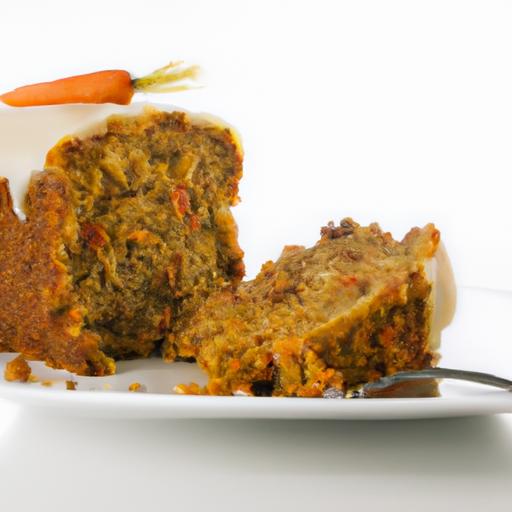

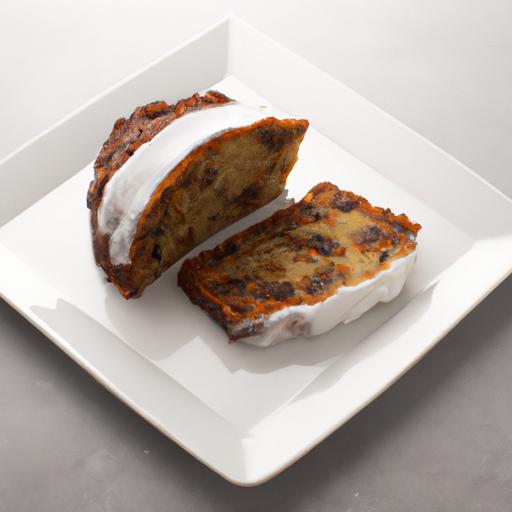

Beneath its modest, rustic appearance, carrot cake holds a rich tapestry of history and flavor that has enchanted dessert lovers for centuries. Far from just a sweet way to use up garden carrots, this beloved treat is a delightful intersection of tradition and innovation, where warm spices meet moist textures and creamy frosting crowns a timeless classic. In this article, we’ll journey through the fascinating origins of carrot cake, reveal a tried-and-true recipe that captures its essence, and unlock the flavor secrets that make each bite a harmonious blend of earthy sweetness and comforting spice. Prepare to discover why carrot cake remains a perennial favorite – a true delight for the senses and the soul.
Carrot Cake Origins and Evolution Through the Ages
Carrot Cake Delight has charmed dessert lovers worldwide, captivating with its rich history and irresistible flavor. Rooted deeply in medieval Europe, carrot cake emerged as a clever way to utilize sweet vegetables during scarce times when sugar was precious. Over centuries, it evolved from a humble, spiced pudding into a luxurious layered cake beloved in bustling cafes and home kitchens alike. As the confluence of simple, wholesome ingredients meets modern baking techniques, carrot cake continues to grow in popularity, representing a nostalgic yet innovative treat on every plate.
Its journey across continents elevated the carrot cake into a symbol of festive gatherings, cozy family moments, and inventive culinary artistry. Today’s versions marry traditional spices with fresh, textural elements and luscious frostings, highlighting how this savory-sweet creation has matured through time while retaining its heartwarming charm.
Prep and Cook Time
- Preparation: 20 minutes
- Cooking: 40-45 minutes
- Cooling: 30 minutes
Yield
Serves 10-12 generous slices
Difficulty Level
Medium – Ideal for bakers with some experience, but the clear steps make it welcoming for keen beginners.
Ingredients
- 2 cups all-purpose flour, sifted
- 1 ½ teaspoons baking soda
- 1 ½ teaspoons ground cinnamon
- ½ teaspoon ground nutmeg
- ½ teaspoon salt
- 1 cup granulated sugar
- 1 cup light brown sugar, packed
- 1 cup vegetable oil
- 4 large eggs, at room temperature
- 2 teaspoons pure vanilla extract
- 3 cups finely grated carrots (about 4-5 medium carrots)
- 1 cup chopped walnuts or pecans (optional)
- ½ cup crushed pineapple, drained
- ½ cup unsweetened shredded coconut (optional)
Instructions
- Preheat your oven to 350°F (175°C). Grease and flour two 9-inch round cake pans or line them with parchment paper for easy release.
- In a large bowl, whisk together the flour, baking soda, cinnamon, nutmeg, and salt to evenly distribute the dry spices. This ensures each bite boasts balanced flavor notes.
- In a separate bowl, combine the granulated sugar, brown sugar, and vegetable oil. Whisk vigorously for 2-3 minutes until the mixture becomes smooth and slightly glossy – this aeration contributes to tender crumb texture.
- Add the eggs one at a time into the sugar and oil mixture, beating thoroughly after each addition. Stir in vanilla extract to deepen the aroma.
- Gradually fold the dry ingredients into the wet batter using a spatula or wooden spoon, mixing just until no streaks of flour remain to avoid developing gluten, which can toughen the cake.
- Gently fold in the grated carrots, chopped nuts, pineapple, and shredded coconut, distributing them evenly to infuse delightful texture and bursts of flavor.
- Divide the batter evenly among the prepared pans. Tap the pans lightly on the counter to release any large air bubbles for a uniform rise.
- Bake for 40-45 minutes, or until a skewer inserted into the center comes out clean. Rotate the pans halfway through baking to ensure even coloring.
- Remove from oven and allow cakes to cool in pans for 10 minutes before transferring to a wire rack to cool completely. Cooling fully is essential for cream cheese frosting adherence.
Tips and Tricks for Moisture and Texture Perfection
Carrot cake’s signature moistness and crumb arise from the harmonious interplay of ingredients and baking technique, which Carrot Cake Delight fans cherish. Here are some expert tips to master it effortlessly:
- Grate carrots finely: Use a microplane or fine grater to integrate the moisture smoothly into the batter without large chunks disrupting texture.
- Don’t overmix: Once the flour is added, fold gently to preserve tender crumb structure.
- Incorporate pineapple: Drained crushed pineapple adds natural sweetness and juiciness, enhancing the mouthfeel.
- Use room temperature eggs: This prevents curdling and promotes better emulsion with the oil.
- Toast nuts lightly: Enhance nuttiness by lightly toasting walnuts or pecans in a dry pan for 3-5 minutes before adding.
- Cool cakes completely: Avoid soggy frosting and sliding layers by ensuring cakes have fully cooled before frosting.
Chef’s Notes
- For a gluten-free version, substitute with 2 cups gluten-free all-purpose flour blend.
- Feel free to swap vegetable oil with melted coconut oil for a delicate coconut undertone.
- For added spice complexity, try adding ¼ teaspoon ground ginger or allspice.
- Make-ahead tip: Bake the cake layers up to 2 days ahead and store wrapped in plastic wrap at room temperature.
- Frost with classic cream cheese frosting or explore whipped mascarpone frosting for a lighter finish.
Serving Suggestions
Carrot Cake Delight is a star on its own but truly shines when presented thoughtfully. Serve chilled or at room temperature, with a generous layer of cream cheese frosting between layers and atop the cake. Garnish with chopped toasted nuts, edible flowers, or delicate carrot ribbons for a refined, inviting look.
Pair with a cup of spiced chai, freshly brewed coffee, or even a fragrant herbal tea like rooibos to balance the sweet, earthy flavors elegantly.

Quick Nutritional Overview
| Nutrient | Per Serving (1 slice) |
|---|---|
| Calories | 350 kcal |
| Protein | 5 g |
| Carbohydrates | 45 g |
| Fat | 16 g |
Discover more delightful baking recipes in our Classic Vanilla Cupcakes article. For in-depth culinary history, check the Britannica overview of cake history.
Q&A
Q&A: Carrot Cake Delight – History, Recipe, and Flavor Secrets
Q1: What is the origin story of carrot cake?
A1: Carrot cake’s roots stretch back to medieval Europe, where sugar and sweeteners were scarce and costly. Carrots, being naturally sweet, became a clever substitute in baked goods. Over centuries, the humble carrot evolved from a mere vegetable to the star ingredient in a richly spiced cake, eventually becoming the beloved dessert known today.
Q2: What makes carrot cake different from other cakes?
A2: Unlike typical cakes, carrot cake gets its moisture, sweetness, and texture partly from grated carrots. These give the cake a tender crumb and subtle natural sweetness, balanced perfectly with warm spices like cinnamon and nutmeg. The addition of nuts and sometimes pineapple adds delightful layers of flavor and texture, making every bite a joyous experience.
Q3: What are the essential ingredients in a classic carrot cake recipe?
A3: A classic carrot cake typically includes fresh grated carrots, flour, sugar (brown or white), eggs, oil for moisture, baking soda or powder for leavening, and warm spices such as cinnamon and ginger. Cream cheese frosting is a signature finishing touch, adding creamy tanginess that complements the cake’s sweetness and spice.
Q4: How can I ensure my carrot cake is moist and fluffy?
A4: Moisture is key in carrot cake! Using oil instead of butter helps retain moisture, while fresh grated carrots release natural juices during baking. Incorporating ingredients like crushed pineapple or applesauce can also boost moisture. Be careful not to overbake; test with a toothpick and pull it out when it still has a few moist crumbs.
Q5: Are there any secret ingredients that elevate carrot cake’s flavor?
A5: Yes! A pinch of freshly grated orange zest or a splash of vanilla extract can add brightness to your batter. Toasted walnuts or pecans lend a satisfying crunch and a subtle nutty flavor. Some bakers swear by a tiny bit of ginger or cardamom for extra warmth. These nuances make each carrot cake unforgettable.
Q6: Can carrot cake be made without nuts?
A6: Absolutely! While nuts add texture and flavor, they are not mandatory. You can simply omit them or swap with seeds like sunflower or pumpkin for a different kind of crunch. The cake’s signature taste remains vibrant and delicious without nuts.
Q7: What’s the best way to store carrot cake?
A7: Because of its moist nature and cream cheese frosting, carrot cake is best stored in the refrigerator, tightly covered to prevent it from drying out. Let it come to room temperature before serving for the best flavor and texture. It also freezes well-wrap it tightly and thaw overnight when you’re ready to enjoy.
Q8: How can I put a creative twist on traditional carrot cake?
A8: Try adding shredded coconut or swapping regular carrots for colorful heirloom varieties to brighten the look. Infusing the frosting with a hint of citrus or espresso can add depth. For a festive touch, decorate with edible flowers or candied carrot ribbons. The possibilities are as vibrant as a garden in spring!
Q9: Is carrot cake a healthy dessert option?
A9: While carrot cake does contain sugar and fat like most desserts, the carrots provide fiber, vitamins, and a natural sweetness that reduces the need for excess sugar. Using whole grain flours or cutting back on sugar can make it a slightly better-for-you indulgence. It’s all about balance-and savoring every delightful bite.
To Wrap It Up
As the final crumb settles and the last hint of cinnamon lingers on your palate, it’s clear that carrot cake is more than just a dessert-it’s a delicious tapestry woven through centuries of history and flavor innovation. From its humble beginnings as a resourceful way to sweeten cakes, to its transformation into the beloved treat celebrated worldwide, carrot cake continues to delight with its perfect balance of moistness, spice, and creamy frosting. Whether you’re a curious newcomer or a seasoned baker, embracing the secrets behind this classic recipe opens the door to endless creativity and comfort. So next time you slice into a carrot cake delight, remember-you’re savoring a rich heritage, one delectable bite at a time.