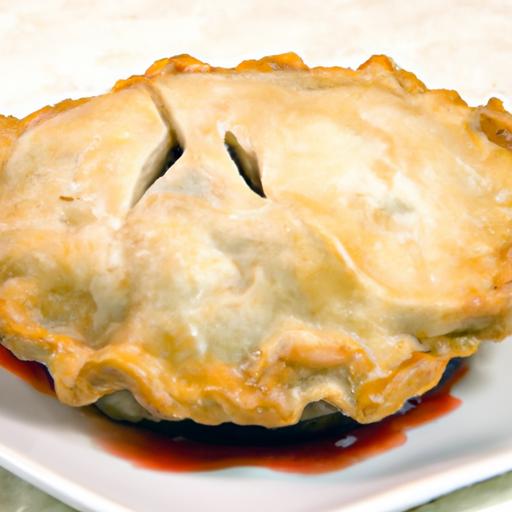

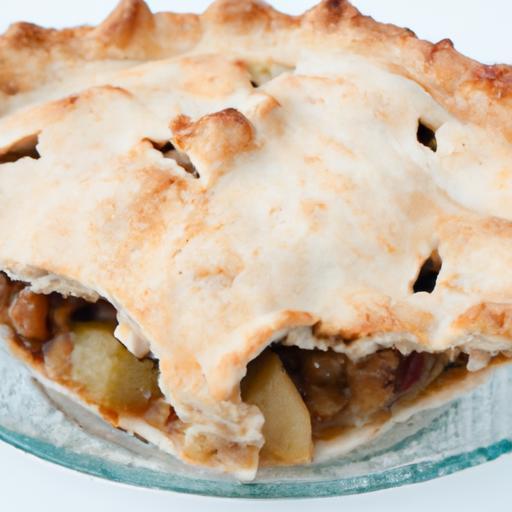

There’s something enchanting about the aroma of a freshly baked apple pie – a fragrance that whispers stories of tradition, comfort, and celebration. Apple pie, often hailed as the quintessential dessert of home and heart, carries with it a rich tapestry of history and flavor that transcends generations. In this article, we embark on a journey to unveil the captivating origins of this beloved classic, share expert recipe tips that turn simple ingredients into golden perfection, and reveal the sweet secrets that make each bite a nostalgic delight. Whether you’re a seasoned baker or a curious beginner, prepare to discover the magic behind the crust and the charm of the apples inside.
Apple Pie Unveiled invites you on a delicious journey through one of the most cherished desserts worldwide. More than just a sweet treat, this beloved classic embodies tradition, evokes warm memories, and celebrates seasonal bounty. From the early apple tarts enjoyed in European courts to the iconic American staple gracing holiday tables, each slice tells a rich tale of history and craftsmanship. Unlocking the secrets to a perfect apple pie crust, selecting the ideal apples, and mastering baking techniques transforms this recipe into an art form worthy of sharing.
Prep and Cook Time
Preparation Time: 30 minutes
Cook Time: 1 hour
Yield
8 generous servings
Difficulty Level
Medium
Ingredients
- 2 ½ cups all-purpose flour, sifted, plus extra for rolling
- 1 cup unsalted butter, cold and cubed
- 1 tsp salt
- 6-8 tbsp ice water, chilled
- 6 medium apples (a mix of Granny Smith and Honeycrisp), peeled, cored, and sliced ¼ inch thick
- ¾ cup granulated sugar
- ¼ cup light brown sugar, packed
- 2 tbsp all-purpose flour
- 1 tsp ground cinnamon
- ¼ tsp ground nutmeg
- 1 tbsp lemon juice
- 1 tsp pure vanilla extract
- 1 tbsp unsalted butter, cut into small pieces (for topping)
- 1 egg, beaten (for egg wash)
Instructions
- Prepare the crust: In a large bowl, combine the flour and salt. Add the cold, cubed butter, and use a pastry cutter or your fingertips to work the butter into the flour until the mixture resembles coarse crumbs with some pea-sized pieces.
- Add water gradually: Drizzle ice water, one tablespoon at a time, into the flour mixture while stirring gently with a fork. Stop adding water when the dough just begins to hold together. Handle as little as possible to keep the butter cold.
- Divide and chill: Shape the dough into two equal disks, wrap each in plastic, and refrigerate for at least 1 hour. This resting time strengthens the dough and enhances flakiness.
- Prepare the apples: In a large bowl, toss sliced apples with lemon juice, granulated sugar, brown sugar, flour, cinnamon, nutmeg, and vanilla extract until coated evenly. Set aside to macerate while rolling out the dough.
- Roll out bottom crust: On a lightly floured surface, roll one chilled dough disk into a 12-inch circle. Gently transfer it to a 9-inch pie dish, letting the edges hang over slightly. Refrigerate while you roll out the top crust.
- Fill the pie: Pour the apple mixture into the prepared crust, spreading it evenly. Dot the top with small pieces of butter to add richness and depth during baking.
- Top crust and decorate: Roll out the second dough disk into a 12-inch circle. Place it over the apple filling. Trim excess dough leaving about 1 inch overhang. Fold the overhang under itself and crimp the edges to seal. Cut small slits or create a lattice pattern for steam to escape.
- Egg wash: Brush the top crust gently with the beaten egg to achieve a beautiful golden glaze during baking.
- Bake: Preheat oven to 425°F (220°C). Place pie on the middle rack and bake for 15 minutes. Lower the temperature to 350°F (175°C) and bake for an additional 45 minutes, or until the crust is golden and juices bubble visibly.
- Cool slightly before serving: Allow the pie to rest for at least 1 hour to set the filling, making slicing cleaner and flavors more harmonious.
Secrets to Flaky, Buttery Goodness
Cold ingredients are fundamental-always keep your butter and water chilled to create steam pockets that bake into flaky layers. Handle the dough minimally to avoid melting butter prematurely. Resting the dough in the fridge prevents gluten overdevelopment, ensuring tenderness. Using a mixture of tart and sweet apples balances acidity with natural sweetness, avoiding mushy textures.
Tips for Optimal Flavor and Texture
- Slice apples uniformly to ensure even cooking.
- Macerate the apples with sugar and spices to draw out moisture and intensify the flavors.
- For an extra glossy crust, sprinkle a little raw sugar over the egg wash before baking.
- Use high-quality vanilla extract for a subtle aroma that enhances the apple filling.
- Cover the pie edges halfway through baking if they brown too quickly.
Insider Tips for Baking and Serving
Baking on the middle rack promotes even heat circulation, crucial for perfect browning. Letting the pie cool is essential-it allows the filling to thicken and flavors to meld beautifully. Serve slightly warm with a scoop of vanilla ice cream or a dollop of freshly whipped cream for a classic indulgence. Garnish with a sprinkle of cinnamon or a few thin apple slices for inviting presentation. For a rustic touch, dust the crust with powdered sugar just before serving.
Serving Suggestions
Complement your warm apple pie with a robust cup of spiced chai or a crisp apple cider to echo the filling’s notes. Pair with cinnamon sticks or fresh mint sprigs for a vibrant pop of color. Slice generously and enjoy with friends and family to celebrate the timeless magic of this dessert.

| Nutrient | Per Serving |
|---|---|
| Calories | 350 kcal |
| Protein | 3 g |
| Carbohydrates | 52 g |
| Fat | 15 g |
Explore more about heritage desserts to deepen your culinary repertoire. For historical insight into apple pie’s evolution and cultural significance, visit the History Channel’s Apple Pie feature.
Q&A
Q: What is the true origin of apple pie?
A: Apple pie’s roots trace back to medieval Europe, where early recipes combined apples with spices and honey inside a sturdy crust. It evolved across centuries, with Dutch and English settlers bringing their variations to America, where the iconic “American apple pie” was born, symbolizing comfort and tradition.
Q: Why is apple pie often considered a symbol of Americana?
A: Apple pie became a symbol of Americana because it embodied simple, honest ingredients found on early American farms, reflecting the country’s values of home, harvest, and community. Its timeless appeal and presence at family gatherings further cemented its cultural status.
Q: What are the best apple varieties for making the perfect pie?
A: The secret to a perfect apple pie lies in balancing tartness and sweetness. Ideal varieties include Granny Smith for tang and structure, Honeycrisp for a juicy crunch, and Braeburn or Jonathan apples for a sweet-tart depth. Mixing these apples brings a complex, layered flavor and texture.
Q: How can I keep my pie crust crisp and flaky?
A: Achieving a flaky pie crust is all about cold ingredients and minimal handling. Use chilled butter or shortening, work quickly to prevent the butter from melting, and avoid overmixing the dough. Baking with a preheated pie stone or in a hot oven also helps set the crust’s texture for that ideal crispness.
Q: What are some little-known tricks for a gooey, perfectly set apple filling?
A: To get your filling just right, toss sliced apples in lemon juice to maintain color and add brightness. Thicken the juices with a combination of cornstarch and a bit of flour to avoid runny filling. Bake the pie on a lower oven rack to ensure the bottom cooks thoroughly, creating that irresistible gooey center.
Q: How can I add an unexpected twist to a classic apple pie?
A: Adding a touch of spice like cardamom or a sprinkle of toasted nuts can elevate the flavor profile. For a subtle fruity twist, swirl in some finely grated orange zest or a handful of dried cranberries. These surprises add complexity while keeping the essence of the classic apple pie intact.
Q: What’s the best way to serve apple pie for maximum enjoyment?
A: Apple pie tastes heavenly warm out of the oven, paired with a scoop of vanilla ice cream or a dollop of softly whipped cream. Serving it with a dusting of cinnamon or a drizzle of caramel sauce takes the experience to the next level, inviting all the senses to celebrate this sweet tradition.
Q: Can apple pie be prepared ahead of time?
A: Absolutely! You can assemble your pie a day in advance and store it in the fridge, then bake it fresh when ready. Alternatively, fully baked pies can be wrapped tightly and kept at room temperature for a day or two, or frozen for longer storage-just reheat gently to revive that iconic warm aroma and texture.
This Q&A uncovers the rich story behind apple pie, offers insider techniques, and inspires creative ways to enjoy this beloved dessert-all without needing to venture into incompatible territory. Happy baking!
To Conclude
As the golden crust of apple pie continues to bake its way through kitchens and cultures alike, we see that this dessert is far more than just a sweet treat-it’s a tapestry woven with history, tradition, and a pinch of personal flair. Whether you’re a seasoned baker or a curious novice, understanding the origins and insider tips behind apple pie can turn a simple recipe into a heartfelt creation. So next time you slice into that warm, cinnamon-kissed masterpiece, remember: you’re not just enjoying a dessert-you’re tasting centuries of stories and secret touches that make every bite truly unforgettable.