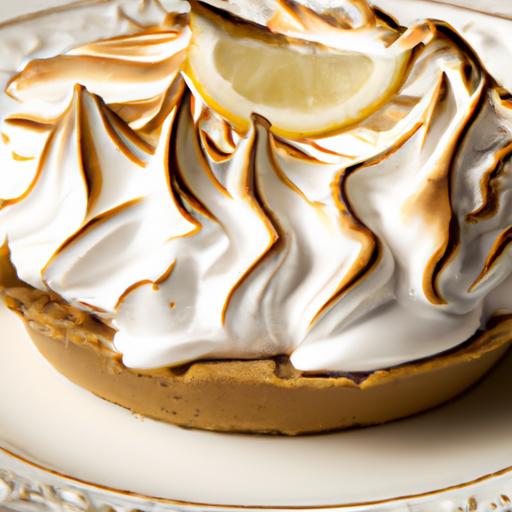

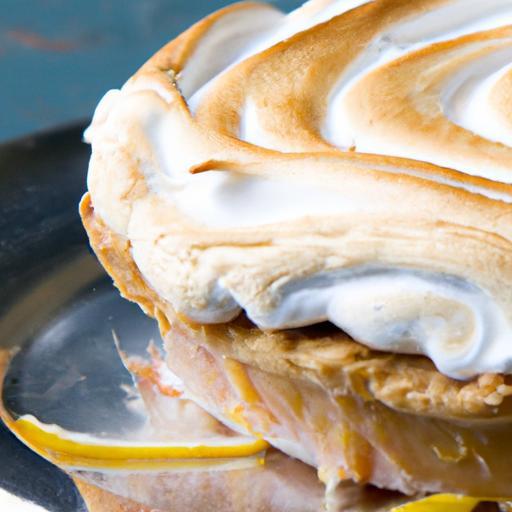

Beneath its golden, cloud-like crown lies a symphony of flavors and chemistry-a tangy tango between citrus and sweetness that has delighted dessert lovers for centuries. Lemon meringue pie is far more than just a pretty face on a pastry plate; it is a masterpiece where science meets culinary art. From the precise balance of tart lemon curd to the airy peaks of silk-smooth meringue, each element tells a story of transformation-of acids tamed, sugars whipped, and textures perfected. Join us as we unravel the zesty secrets and sweet science behind this iconic dessert, revealing how simple ingredients come together to create a timeless delight that dances on the palate and dazzles the senses.
Zesty Delight: The Sweet Science Behind Lemon Meringue Pie
Discover the enchanting interplay of zesty citrus and airy sweetness with this classic lemon meringue pie recipe. Originating from early 19th-century Europe, this dessert elegantly showcases the dance between a vibrant lemon custard and a cloud-like meringue topping, supported by a crisp crust that brings balance to the palate. My first encounter with this iconic pie was at a summer family gathering, where the harmonious layers instantly captivated my taste buds and inspired me to master its delicate technique in my own kitchen.
Prep and Cook Time
- Preparation Time: 25 minutes
- Cooking Time: 35 minutes
- Cooling Time: 2 hours
Yield
Serves 8 generous slices, perfect for sharing with friends and loved ones.
Difficulty Level
Medium – Ideal for home bakers ready to refine their skills with custard and meringue mastery.
Ingredients
- For the Crust:
- 1 1/4 cups all-purpose flour, sifted
- 1/4 cup granulated sugar
- 1/2 teaspoon fine sea salt
- 1/2 cup unsalted butter, cold and cubed
- 1 large egg yolk
- 2-3 tablespoons ice-cold water
- For the Tangy Lemon Custard:
- 1 cup fresh lemon juice (about 4-5 lemons)
- 1 tablespoon lemon zest
- 1 1/4 cups granulated sugar
- 3 large egg yolks, lightly beaten
- 1/4 cup cornstarch
- 1 1/2 cups whole milk, warmed
- 2 tablespoons unsalted butter, room temperature
- For the Fluffy Meringue:
- 4 large egg whites, at room temperature
- 1/2 teaspoon cream of tartar
- 3/4 cup granulated sugar
- 1 teaspoon pure vanilla extract
Instructions
- Prepare the crust: In a mixing bowl, whisk together the flour, sugar, and sea salt. Using a pastry blender or fingers, cut in the cold butter until the mixture resembles coarse crumbs. Add the egg yolk and 2 tablespoons of ice water, combining gently to form a dough. Add more water if needed, but avoid overworking it. Wrap dough in plastic and chill for 30 minutes.
- Bake the crust: Roll out chilled dough on a floured surface to fit a 9-inch pie pan. Transfer carefully, trim edges, and prick bottom with a fork. Line the crust with parchment paper, fill with pie weights or dried beans, and bake in a preheated 375°F (190°C) oven for 15 minutes. Remove weights and bake an additional 8-10 minutes until golden and crisp. Cool completely.
- Make the lemon custard: In a saucepan, whisk together sugar, cornstarch, and a pinch of salt. Gradually whisk in the warm milk until smooth. Cook over medium heat, stirring constantly, until mixture thickens and bubbles. Remove from heat.
- Temper the egg yolks: Slowly pour about one-third of the hot milk mixture into the beaten yolks, whisking constantly to prevent curdling. Return the yolk mixture to the saucepan and cook another 2 minutes, stirring, until thick. Remove from heat and stir in lemon juice, lemon zest, and butter until smooth. Pour into the cooled crust.
- Prepare the meringue: In a clean bowl, beat egg whites with cream of tartar until soft peaks form. Gradually add sugar, one tablespoon at a time, beating continuously until stiff, glossy peaks emerge. Fold in vanilla extract.
- Top the pie: Spoon meringue over the hot lemon filling, spreading to the edges and sealing well to prevent shrinking. Use the back of a spoon to create peaks and swirls for an elegant finish.
- Bake the pie: Bake at 350°F (175°C) for 10-12 minutes until the meringue turns a gorgeous golden brown. Cool on a wire rack before chilling in the refrigerator for at least 2 hours to set.
Expert Tips for a Zesty Delight: The Sweet Science Behind Lemon Meringue Pie
- Use fresh lemons: Quality citrus juice balances acidity and sweetness naturally, elevating the custard’s brightness.
- Room temperature egg whites whisk better, yielding a more stable, fluffy meringue.
- Seal meringue to crust edges completely to prevent shrinking and weeping.
- Cool pie at room temperature before refrigeration to maintain texture and avoid condensation spoiling the meringue.
- For a gluten-free crust, consider using almond flour with a touch of coconut flour for structural support and nutty flavor contrast.
- Leftover egg yolks and whites can be used in related recipes; check out our custard and meringue recipe collection for inspiration.
- For more culinary science, explore Serious Eats, an excellent resource on baking principles and techniques.
Serving Suggestions
Serve each slice chilled to emphasize the tangy custard and fluffy meringue contrast. Garnish elegantly with a thin twist of lemon zest or a few micro mint leaves for a pop of color and fresh aroma. For extra indulgence, a light dusting of powdered sugar around the rim or a side of vanilla bean ice cream elevates the experience. Present on a delicate porcelain plate paired with a mint-infused iced tea for the perfect summer treat.
| Nutrient | Per Serving |
|---|---|
| Calories | 320 kcal |
| Protein | 5 g |
| Carbohydrates | 45 g |
| Fat | 12 g |

Q&A
Q&A: Zesty Delight: The Sweet Science Behind Lemon Meringue Pie
Q1: What makes lemon meringue pie such a beloved dessert?
A1: Lemon meringue pie captivates with its harmonious balance of tangy, sweet, and airy textures. The bright, zesty lemon filling dances on the tongue, perfectly complemented by the cloud-like meringue atop a crisp, buttery crust. This multi-textural experience is a delicious symphony of flavors and sensations that has enchanted dessert lovers for generations.
Q2: How does the chemistry of lemon juice affect the filling’s texture?
A2: The acidity of lemon juice plays a crucial role in setting the filling. It reacts with sugar and eggs, creating a gel-like consistency when heated. The citric acid causes the proteins in eggs to coagulate, transforming the filling into a smooth, firm custard that holds its shape, yet stays luscious and creamy.
Q3: Why is egg white meringue essential to the pie’s structure?
A3: Egg whites are packed with proteins that, when whipped, trap air and form a stable foam. This foam expands during baking, creating the pie’s iconic fluffy and golden-topped meringue. The structure also acts as an insulating layer, keeping the tangy filling cool and adding a sweet, delicate contrast.
Q4: What role does sugar play beyond sweetness in both the filling and meringue?
A4: Sugar is not just a sweetener; it stabilizes the egg proteins in meringue and helps thicken the lemon filling. In meringue, sugar dissolves and strengthens the foam, preventing collapse and ensuring a glossy, tender peak. In the lemon filling, it balances acidity and contributes to the smooth texture by interacting with eggs and lemon juice.
Q5: Can you explain why the pie crust is important in this dessert?
A5: The crust serves as the sturdy foundation for the pie. Its buttery, flaky texture contrasts wonderfully with the soft filling and airy meringue. A well-baked crust provides a crisp, slightly crumbly edge that enhances the overall bite, preventing sogginess while complementing the tartness of the lemon.
Q6: Are there any common pitfalls to avoid when making lemon meringue pie?
A6: Yes! Overcooking the filling can cause curdling or cracking, while undercooking results in a runny center. When preparing meringue, adding sugar too quickly or whipping too fast can lead to grainy or weepy results. Also, sealing the meringue properly at the edges of the crust prevents shrinking and weeping during baking.
Q7: What creative twists can be explored while staying true to the classic lemon meringue profile?
A7: Beyond the classic, chefs experiment by infusing the filling with herbs like basil or lavender for a subtle aroma, or by incorporating citrus zest from oranges or limes for layered complexity. Swapping traditional sugar for natural sweeteners like honey can add depth, while toasting the meringue with a kitchen torch can create a caramelized, smoky finish.
Q8: How has lemon meringue pie evolved culturally and historically?
A8: Lemon meringue pie has roots in European culinary traditions but blossomed in American kitchens during the 19th century with the advent of reliable ovens and refined sugar availability. It represents a celebratory blend of simple, widely available ingredients transformed through precise culinary technique into a crowd-pleasing masterpiece, symbolizing comfort and ingenuity in dessert-making.
Q9: What are the best tips for achieving the perfect golden-brown meringue?
A9: Achieving that perfect golden hue requires moderate oven heat and careful timing. Browning too fast can burn the meringue, while too low a heat won’t develop color. Using a kitchen torch for finishing touches offers control over caramelization, and ensuring the meringue peaks are stable helps maintain that beautiful texture as it browns.
Q10: Why does lemon meringue pie remain a timeless classic in the world of desserts?
A10: Its timeless appeal lies in the interplay of science and artistry-simple ingredients elevated through precise techniques into a dessert that delights the senses. Each bite delivers a balance of bright citrus zing, sweet softness, and buttery crunch, making it endlessly enchanting, adaptable, and forever inviting at any table.
To Conclude
As the final golden peaks of lemon meringue pie emerge from the oven, we’re reminded that this beloved dessert is much more than just a sweet treat. It’s a harmonious dance of science and art-where citrus acidity meets the airy structure of whipped egg whites, and precise chemistry transforms simple ingredients into a zesty delight. Understanding the science behind each luscious layer deepens our appreciation and tempts us to experiment in our own kitchens. So next time you savor that tangy, fluffy slice, remember: you’re tasting a culinary symphony crafted by nature’s chemistry and human ingenuity, one perfect bite at a time.