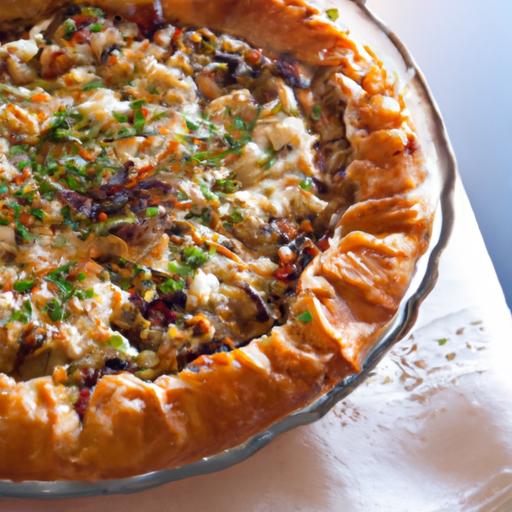

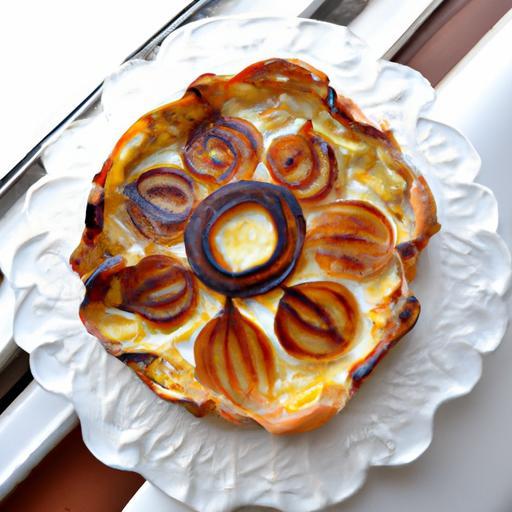

In the heart of Provence, where sun-drenched markets overflow with fresh ingredients and centuries-old recipes whisper through cobblestone streets, a humble yet irresistible dish captures the very essence of French culinary charm: the pissaladière. This savory onion tart, rich with caramelized onions, briny anchovies, and fragrant black olives, is far more than just a regional specialty-it’s a delicious story baked into a golden crust. Journey with us as we explore the origins, flavors, and timeless appeal of pissaladière, uncovering why this tarted treasure continues to delight palates and embody the soul of southern France.
Origin and Cultural Heritage of Pissaladière: A Taste of Southern France
Pissaladière is a celebrated French onion tart that embodies the rustic charm and bold flavors of Southern France, particularly the historic region of Provence and the famed city of Nice. This savory delight dates back to the Middle Ages, originally crafted by fishermen who utilized local anchovy paste known as pissalat-from which the tart gets its name-to add umami depth. Over time, the dish evolved into an aromatic blend of caramelized onions, fragrant herbs, and briny olives laid upon a tender, flaky base, reflecting the Mediterranean’s bounty. A slice of pissaladière transports you to sun-drenched markets filled with vibrant produce and artisanal breads, celebrating the simplicity and elegance of regional Provencal cuisine.
Crafting the Perfect Pissaladière Dough: Tips for a Flaky, Flavorful Base
The foundation of the exquisite Pissaladière experience lies in a meticulously crafted dough that maintains a delicate balance-crispy at the edges yet soft and buttery beneath the lavish onion topping. Opt for a pâte brisée-inspired dough using high-quality all-purpose flour and cold, unsalted butter, cut into small cubes to achieve that coveted flakiness.
Chilling your ingredients and dough is crucial. It prevents excess gluten development, resulting in an irresistibly tender crust. Use a light touch when combining wet and dry ingredients, just enough to bind. Roll your dough evenly to about ¼-inch thickness for an optimal ratio of bread to topping-any thicker, and the rich sweetness of the onions risks overpower, thinner and you lose that satisfying bite.
To avoid a soggy underside, prebake the dough briefly until barely golden before layering atop your luscious, golden onion confit. This step locks in structure and buttery nuance, delivering your perfect canvas.
Mastering the Onion Topping: Caramelization Techniques for Deep, Sweet Richness
Onions are the stars of this tart-transforming simple ingredients into a complex symphony of flavors through slow, patient caramelization. Begin by thinly slicing sweet yellow or Vidalia onions and cooking them low and slow in olive oil, stirring gently over 30 to 40 minutes. This technique draws out their natural sugars, creating a deep amber hue and luscious sweetness that defines pissaladière.
Maintaining low heat is essential; rushing caramelization with high heat risks burning and bitterness. Add a pinch of sea salt early to help extract moisture and enhance flavor concentration. For a savory contrast, incorporate fresh thyme or bay leaf during cooking, then remove before assembling. The subtle herbal aroma lifts the onions, enriching every bite.
Pairing Suggestions and Serving Ideas to Elevate Your Pissaladière Experience
Serving your Pissaladière benefits from thoughtful pairings that reflect its Provencal roots. A crisp, herbaceous green salad dressed in lemon vinaigrette provides a refreshing foil to the hearty tart. Consider a medley of fresh arugula, frisée, and radicchio tossed lightly with a touch of Dijon mustard and extra virgin olive oil for a bright counterpoint.
For an authentic touch, accompany it with a chilled glass of Provençal Rosé, picking fruity yet dry characteristics that harmonize without overpowering. Garnish your tart with a scattering of glossy black Niçoise olives or delicate sprigs of fresh thyme. Serve warm or at room temperature, making it perfect for elegant brunches, casual al fresco dining, or as part of a sophisticated appetizer spread.
Explore other southern French specialties on our Provencal Recipes page for a full Mediterranean culinary journey.
Prep and Cook Time
- Prep Time: 30 minutes
- Cook Time: 50 minutes
- Total Time: 1 hour 20 minutes
Yield
- Serves 6 slices
Difficulty Level
- Medium
Ingredients
- For the Dough:
- 1 ¾ cups all-purpose flour, sifted
- 125g (½ cup) unsalted butter, cold and cubed
- 1 tsp fine sea salt
- 5 tbsp ice-cold water
- For the Topping:
- 4 large yellow onions (about 1.2 lbs), thinly sliced
- 3 tbsp extra virgin olive oil
- 1 tsp fine sea salt
- 1 tsp fresh thyme leaves (optional)
- 12 black Niçoise olives, pitted and halved
- 1 tbsp black olive tapenade or anchovy-free olive spread (optional)
Instructions
- Prepare the Dough: In a large bowl, sift together the flour and sea salt. Add the cold cubed butter and use your fingertips or a pastry cutter to rub the butter into the flour until the mixture resembles coarse breadcrumbs.
- Add Water and Form Dough: Gradually pour in the ice-cold water, mixing gently with a fork until the dough just clumps together. Avoid overworking. Shape into a disk, wrap in plastic, and refrigerate for 30 minutes.
- Caramelize Onions: Heat olive oil over low heat in a wide skillet. Add the sliced onions and sea salt, stirring occasionally. Cook slowly for 30-40 minutes until onions turn golden and soft, stirring every 5 minutes. Add thyme leaves during the last 10 minutes, if using, then remove from heat.
- Preheat Oven and Roll Dough: Preheat oven to 375°F (190°C). On a lightly floured surface, roll the chilled dough into a 12-inch circle, about ¼-inch thick. Transfer to a parchment-lined baking sheet.
- Blind Bake Crust: Prick dough lightly with a fork to prevent bubbles. Bake for 12 minutes or until edges begin to turn golden. Remove from oven.
- Assemble Tart: Spread a thin layer of olive tapenade or olive spread over the crust (optional for extra depth). Evenly distribute caramelized onions over the base, then artistically arrange black olive halves on top.
- Bake Final Tart: Return tart to oven and bake for 18-20 minutes until edges are crisp and olives glossy.
- Cool and Serve: Let cool slightly before slicing. Serve warm or at room temperature for the best flavor profile.
Chef’s Notes
- For a gluten-free dough, substitute all-purpose flour with a blend of rice flour and potato starch.
- If anchovy-free is preferred, black olive tapenade or a flavorful mushroom spread makes an excellent alternative, preserving umami depth.
- Make caramelized onions up to two days in advance and store refrigerated; gently warm before topping your tart.
- To intensify aroma, finish with a light drizzle of good quality olive oil just before serving.
Serving Suggestions
- Pair with a crisp, peppery green salad tossed in lemon vinaigrette for freshness.
- Garnish with fresh thyme sprigs or a scattering of finely chopped chives for color and herbal brightness.
- Enjoy alongside roasted vegetables or a chilled Provençal rosé for an authentic experience.
| Nutrient | Per Serving (1 slice) |
|---|---|
| Calories | 310 kcal |
| Protein | 5 g |
| Carbohydrates | 35 g |
| Fat | 16 g |

Q&A
Q&A: Pissaladière – Exploring the Savory French Onion Tart Delight
Q1: What is Pissaladière, and where does it originate?
A1: Pissaladière is a savory tart hailing from the sun-kissed region of Nice in the South of France. It’s a delicious symphony of caramelized onions, olives, and anchovies stacked upon a crisp, golden crust, offering a rustic yet refined taste of Provençal cuisine.
Q2: How does Pissaladière differ from a traditional pizza?
A2: While Pissaladière may resemble a pizza at first glance, it is quite distinct. Its dough is thicker and more bread-like, and the topping focuses primarily on slow-cooked onions sweetly melting into savory goodness, rather than the tomato sauce and cheese found on most pizzas. The anchovies and olives add concentrated bursts of umami that set it apart.
Q3: What are the key ingredients that define a classic Pissaladière?
A3: The heart of Pissaladière lies in tender, caramelized onions, which are cooked low and slow to unlock their sweetness. These onions are layered over a sturdy dough base, then adorned with black olives and a careful arrangement of anchovies, which impart a briny depth without overwhelming the palate.
Q4: Can Pissaladière be adapted for vegetarians?
A4: Absolutely! For a vegetarian twist, anchovies can be swapped out for flavorful capers or sun-dried tomatoes to maintain that savory complexity. The caramelized onions and olives alone create a richly satisfying tart that honors the spirit of the original.
Q5: What is the best way to serve Pissaladière?
A5: Pissaladière shines as both a snack and a meal. Serve it warm or at room temperature, sliced into squares or wedges. It pairs beautifully with a fresh green salad dressed with lemon and herbs, making for a perfect light lunch or enchanting appetizer.
Q6: Are there regional variations of Pissaladière?
A6: Yes! While the Nice version is the classic, other areas of Provence might vary toppings slightly or add herbs like thyme or rosemary. Some versions even invite the addition of roasted red peppers or anchovy paste spread beneath the onions for an extra savory layer.
Q7: How difficult is it to make Pissaladière at home?
A7: Making Pissaladière at home is a rewarding process that doesn’t require advanced baking skills. The most important step is patience-letting the onions caramelize slowly until they reach a deep, golden hue. The dough is simple to prepare or can be substituted with store-bought puff pastry for a quick fix.
Q8: What makes the flavor profile of Pissaladière so unique?
A8: The secret lies in balance: the sweetness of the caramelized onions counterpoints the salty intensity of anchovies and olives, while the bread base adds a satisfying texture. This mixture of savory, sweet, and briny flavors creates a rustic yet elegant dish that captivates the senses.
Q9: Can Pissaladière be enjoyed at any time of day?
A9: Definitely! Whether it’s a comforting breakfast with a hot cup of tea, a midday snack, or an evening starter, Pissaladière is versatile enough to fit all occasions, offering a taste of French culinary charm whenever you please.
Q10: What cultural significance does Pissaladière hold in French cuisine?
A10: More than just a dish, Pissaladière embodies the essence of Provence’s culinary heritage, showcasing simple ingredients elevated through technique and tradition. It’s a homage to the Mediterranean lifestyle-fresh, flavorful, and deeply connected to the land and sea.
Concluding Remarks
In the grand tapestry of French culinary treasures, the pissaladière stands out as a humble yet unforgettable thread-woven from caramelized onions, briny anchovies, and the rustic charm of a crisp, golden crust. This savory tart, rooted deeply in the sun-kissed kitchens of Provence, invites us not only to savor its rich layers but also to explore a piece of history baked into every bite. Whether enjoyed as a casual snack or a centerpiece at a gathering, the pissaladière exemplifies how simple, quality ingredients can create a dish that transcends time and tradition. So next time you crave a taste of France that’s both comforting and distinctive, let the pissaladière be your delicious guide to the flavors of the Mediterranean coast.