

There’s a magic to crab cakes that goes beyond their crispy golden exterior and tender, flavorful center. These beloved seafood bites have captured the hearts and palates of food lovers worldwide, yet the secret to achieving that perfectly balanced crab cake remains elusive to many home cooks.
In “Crab Cakes Uncovered: Secrets to Perfect Seafood Bites,” we dive deep into the art and science behind these culinary treasures. From selecting the freshest crab to mastering the ideal binder to seafood ratio, get ready to unlock the hidden techniques that transform humble ingredients into a melt-in-your-mouth experience.
Whether you’re a seasoned chef or a curious novice, this guide will elevate your crab cake game and bring the taste of the ocean right to your plate.
Crab Cakes Uncovered: Secrets to Perfect Seafood Bites
Crab Cakes Uncovered: Secrets to Perfect Seafood Bites celebrates the vibrant flavors of fresh crab, transforming humble ingredients into a culinary masterpiece. Whether you’re inspired by coastal traditions or simply craving the delicate sweetness and flaky texture of crab, mastering these seafood bites unlocks a world of irresistible taste and buttery crunch.
Prep and Cook Time
Preparation: 20 minutes | Cooking: 15 minutes | Total: 35 minutes
Yield
Serves 4
Difficulty Level
Medium
Ingredients
- 1 pound fresh lump crab meat, picked over for shells
- 1 cup panko breadcrumbs, lightly toasted
- ½ cup mayonnaise (use high-quality for richness)
- 1 large egg, beaten
- 2 tablespoons Dijon mustard for tang and moisture
- 2 teaspoons Worcestershire sauce for subtle depth
- 1 teaspoon Old Bay seasoning or seafood blend
- 2 stalks green onions, finely chopped
- 2 tablespoons fresh parsley, minced
- Juice of half a lemon, freshly squeezed
- Salt and black pepper to taste
- ¼ cup all-purpose flour for light dusting
- ¼ cup vegetable oil or clarified butter for frying
Instructions
- Prepare the crab meat: Carefully pick through the crab meat to remove any shells or cartilage. Gently flake large lumps to retain maximum texture.
- Create the binding blend: In a large bowl, whisk together mayonnaise, beaten egg, Dijon mustard, Worcestershire sauce, lemon juice, Old Bay seasoning, salt, and pepper until smooth.
- Mix crab and aromatics: Add the crab meat, toasted panko, green onions, and parsley to the binding blend. Fold gently but thoroughly to combine, preserving the delicate flakiness.
- Form the cakes: Lightly flour your hands and shape the mixture into 8 uniform patties, about ¾ inch thick. Dust each cake lightly with flour for an even crust.
- Rest the patties: Place the cakes on a parchment-lined tray and refrigerate for 30 minutes. This step firms them up to prevent falling apart during cooking.
- Preheat the skillet: Heat vegetable oil or clarified butter in a large skillet over medium heat. The fat should shimmer but not smoke.
- Cook to golden perfection: Gently place crab cakes in the pan, leaving space between each. Fry for about 4 minutes per side until a deep, golden-brown crust forms. Flip carefully with a wide spatula to maintain shape.
- Drain and serve: Transfer cooked crab cakes to a cooling rack or paper-towel-lined plate to drain excess oil.
Tips for Success
- Choosing the best crab: Opt for fresh lump or jumbo lump crab meat to get the sweetest flavor and superior texture. Avoid claw meat, which can be stringier and less tender.
- Binding blend mastery: The balance of mayonnaise, egg, and mustard should bind without overpowering the crab’s flavor. Adjust panko amount depending on the moisture of your crab.
- Golden crust secrets: Using clarified butter or a mix of butter and vegetable oil prevents burning while adding richness. Keep heat moderate to avoid undercooked interiors or burnt outsides.
- Make-ahead convenience: You can refrigerate formed crab cakes for up to 24 hours before cooking. For an event, partially cook then finish frying upon serving.
- Common pitfalls: Overmixing crushes lumps and makes cakes dense. Too little resting time results in falling-apart patties.
Serving Suggestions
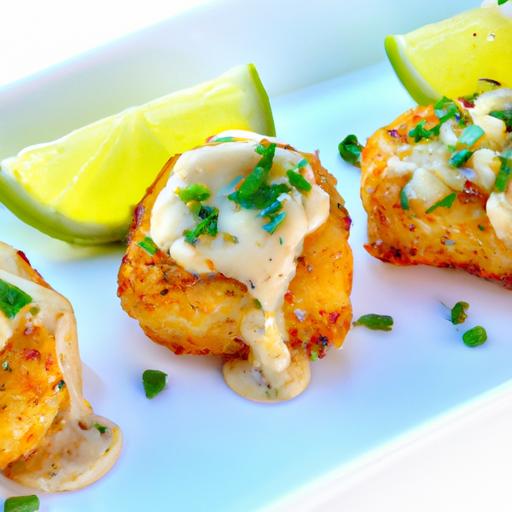
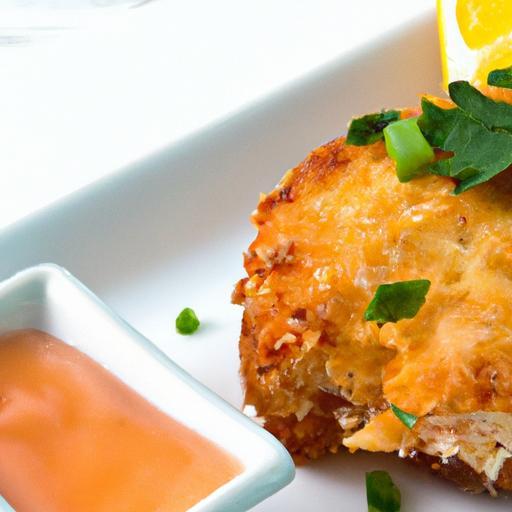
Present these golden crab cakes on a large platter adorned with fresh lemon wedges and a sprinkle of chopped parsley for color and freshness. Complement with classic remoulade, a tangy aioli, or a zesty herb vinaigrette to elevate each bite.
Pair with crisp greens or corn salad to balance richness, and for an elegant touch, garnish with microgreens or edible flowers.
| Nutritional Info (per serving) | Calories | Protein | Carbs | Fat |
|---|---|---|---|---|
| Crab Cakes | 320 | 25g | 18g | 16g |

For a deeper dive into seafood techniques, explore our Ultimate Guide to Seafood Cooking. Learn more about the delicate science of crab meat selection at NOAA Marine Life Education.
Q&A
Q&A: Crab Cakes Uncovered: Secrets to Perfect Seafood Bites
Q1: What makes a crab cake truly stand out from a simple seafood patty?
A1: The magic of a perfect crab cake lies in the balance a delicate blend of sweet, flaky crab meat with just enough binder to hold it together without overshadowing the star ingredient. Unlike typical seafood patties, a crab cake should boast large lumps of fresh crab, minimal filler, and a symphony of subtle seasonings that elevate the natural ocean flavors.
Q2: How do I select the best crab meat for baking or frying crab cakes?
A2: Freshness is paramount. Opt for lump or jumbo lump crab meat, which offers those delightful, tender chunks that create a luxurious texture. Avoid canned crab meat if possible, as it tends to be more fragmented and can lead to a mushy cake. If fresh isn’t available, quality pickled crab meat can be a good alternative.
Q3: What secret ingredients can enhance the flavor without overpowering the crab?
A3: Think of gentle enhancers like fresh lemon zest, a whisper of Dijon mustard, fresh herbs such as parsley or chives, and a touch of Old Bay or smoked paprika for depth. These flavors play in harmony with the sweetness of crab rather than masking it.
Q4: How important is the binder in crab cakes, and what are some ideal options?
A4: The binder’s job is subtle it should hold the pieces together without turning your cake into a dense loaf. Common choices include mayonnaise for moisture and silkiness, beaten egg for structure, and light breadcrumbs or crushed crackers that add a tender crumb but don’t steal the spotlight. Some chefs swear by crushed matzo or panko for a delicate crunch.
Q5: What cooking method best showcases the crab cake’s texture and flavor?
A5: Pan-searing is a classic favorite, offering a golden crust with a tender center. Use a non-stick skillet or a lightly oiled cast iron pan over medium heat to get that perfect caramelization. Baking is a gentler option, great for even cooking and less oil, but it won’t develop that irresistible crispy exterior.
Q6: Can I prepare crab cakes in advance without losing their freshness?
A6: Absolutely! Mix and shape your crab cakes, then refrigerate them covered for up to 24 hours before cooking. This resting period helps the flavors meld and ensures they hold their shape during cooking. Alternatively, shape and freeze them uncooked, then thaw before frying or baking for fresh-tasting results.
Q7: What are some creative sauces or accompaniments to pair with crab cakes?
A7: Classic lemon aioli complements the crab’s natural sweetness with its creamy zing. A fresh cucumber and dill yogurt sauce or tangy remoulade can add layers of brightness and complexity. For a splash of texture, try a simple mango salsa that brings a tropical twist without overpowering the palate.
Q8: How can I ensure my crab cakes don’t fall apart while cooking?
A8: Keep your mixtures lightly combined and avoid overworking the batter. Chill the formed cakes before cooking to firm them up. Also, cooking on moderate heat lets the binder set gently and the crab meat stay intact high heat risks burning the crust while leaving the center fragile.
Q9: Are there regional variations in crab cake recipes worth exploring?
A9: Indeed! From Maryland’s minimal filler buffets to Louisiana’s spicy, heavily seasoned versions, crab cakes vary widely. Explore these traditions to find your perfect balance whether you crave a pure crab experience or a more boldly flavored bite with Cajun spices and fresh herbs.
Q10: What’s the top tip for achieving crab cakes that taste restaurant-quality at home?
A10: Use the freshest crab meat you can find, treat it with respect-less is more when mixing ingredients and finish with that golden sear that gives texture and flavor contrast. Pair your crab cakes with vibrant, fresh accompaniments and enjoy every bite as a treasure from the sea.
Wrapping Up
As you embark on your next crab cake adventure, remember that the magic lies not only in the freshest crab but in the delicate dance of ingredients and technique. From the subtle seasoning to the perfect sear, each step uncovers a layer of flavor that transforms humble seafood into a culinary delight.
Whether you’re a seasoned chef or a curious home cook, these secrets invite you to create crab cakes that are crispy on the outside, tender on the inside, and bursting with coastal charm. So, roll up your sleeves, savor the process, and let every bite tell the delicious story of the sea.