

In the world of quick meals and busy schedules, frozen vegetables often play the unsung hero-convenient, nutritious, and ready to round out any dish. Yet, one common complaint can turn this kitchen shortcut into a soggy disappointment: that dreaded limp texture and watery mess. But what if you could unlock the secret to keeping your frozen veggies crisp and fresh, bursting with vibrant flavor and satisfying crunch? Welcome to a culinary revelation where science meets savvy cooking tips, transforming frozen veggies from kitchen afterthoughts into star performers on your plate. Get ready to master the art of perfect frozen veggies-no sogginess, just pure, fresh-deliciousness every time.
Unlocking the Secrets to Perfect Texture in Frozen Vegetables
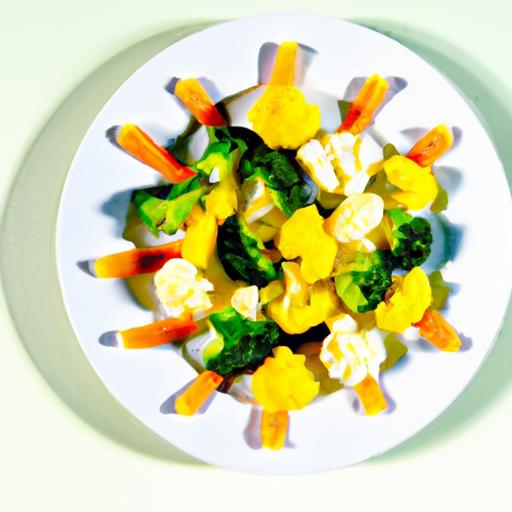
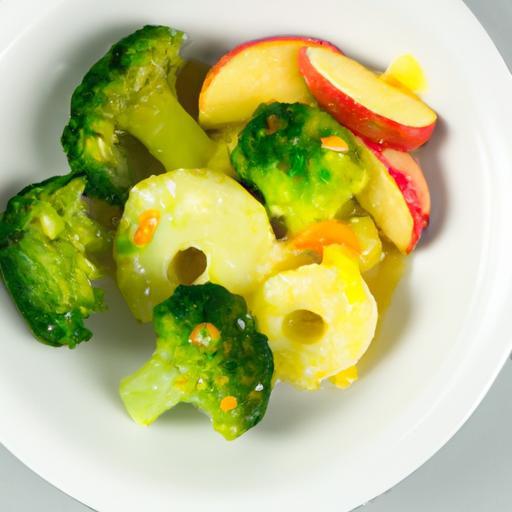
Crisp & Fresh: Mastering Frozen Veggies Without Sogginess transforms everyday frozen vegetables into vibrant, crunchy stars on your plate. From busy weeknights to elegant dinners, the key lies not just in the choice of vegetables but how you treat them before and during cooking. Imagine biting into a perfectly snap-fresh green bean or a floreted broccoli crown bursting with color and crunch-a joy often overshadowed by mushy, dull outcomes. This guide unpacks expert techniques that preserve texture and brightness, turning frozen veggies into a culinary delight that feels made-from-scratch every time.
Prep and Cook Time
- Preparation: 10 minutes
- Cooking: 12 minutes
- Total: 22 minutes
Yield
Serves 4 as a side dish
Difficulty Level
Easy to Medium
Ingredients
- 1 lb frozen mixed vegetables (e.g., broccoli, snap peas, carrots), thawed and drained
- 2 tbsp high-smoke-point oil (avocado or grapeseed oil)
- 1 tsp sea salt
- ½ tsp freshly ground black pepper
- 1 tbsp fresh lemon juice
- 2 cloves garlic, minced
- 1 tbsp finely chopped fresh herbs (parsley, chives, or dill)
- Optional: pinch of red pepper flakes for subtle heat
Instructions
- Smart Thawing: Remove your frozen vegetables from the freezer and place them in a colander. Run under cold water for about 1-2 minutes to gently thaw without warming. Drain thoroughly and pat dry with paper towels to remove excess moisture-this crucial step protects against sogginess.
- Preheat your pan: Use a heavy-bottomed skillet or cast iron over medium-high heat. Add the high-smoke-point oil and wait until it shimmers, indicating it’s hot enough to create that sought-after crisp exterior.
- Sauté garlic: Add the minced garlic, stirring for 30 seconds to infuse the oil, but avoid burning. This fragrant base elevates the flavor without overpowering the natural freshness.
- Cook with care: Add the thawed vegetables in a single layer. Resist overcrowding-crowded pans steam instead of crisp. Cook without stirring for 2-3 minutes, allowing a golden sear to form before flipping or stirring gently. Continue cooking for an additional 5-7 minutes, stirring occasionally.
- Season and brighten: Sprinkle sea salt, pepper, and optional red pepper flakes evenly. Just before removing from heat, drizzle the fresh lemon juice over the veggies and toss to coat. This brightens the dish and helps maintain vibrant colors.
- Finish with herbs: Transfer to a serving bowl and sprinkle chopped herbs on top for a fresh finish and inviting aroma.
Tips for Success
- Drain thoroughly: Extra water is the nemesis of crunchy vegetables. After thawing, scrupulously pat your veggies dry to retain the desired crispness.
- Use dry heat: Avoid adding water or broth during cooking, which softens vegetables and dulls their color.
- Choose the right pan: A sturdy skillet distributes heat evenly and allows for proper searing essential to texture development.
- Customize your seasoning: Experiment with fresh herbs like basil for sweet notes or smoked paprika for a smoky twist.
- Make ahead: Sautéed frozen vegetables can be cooled in a single layer on a baking sheet and refrigerated for up to 2 days; reheat briefly in a hot skillet to revive their crunch.
Serving Suggestions
Present these lovingly sautéed vegetables as a vibrant side complementing grilled chicken, tofu steaks, or hearty grains like quinoa or wild rice. Garnish with a sprinkle of toasted sesame seeds or a few delicate microgreens for added texture and flair. For a colorful platter, merge with roasted sweet potatoes or a dollop of creamy hummus to balance crispness with creaminess, elevating the garden-fresh vibe of your meal.

Nutrition at a Glance
| Calories | Protein | Carbs | Fat |
|---|---|---|---|
| 110 kcal | 4 g | 12 g | 6 g |
For diversifying your frozen vegetable repertoire, check out our related guide to easy frozen veggie recipes. Also, dive deeper into scientific thawing and cooking tips at Serious Eats’ expert resource.
Q&A
Q&A: Crisp & Fresh: Mastering Frozen Veggies Without Sogginess
Q1: Why do frozen vegetables often turn soggy when cooked?
A1: Frozen vegetables tend to become soggy because when they thaw, ice crystals melt and release excess water. This extra moisture seeps out during cooking, diluting the natural texture and making veggies limp rather than crisp.
Q2: How can I prevent sogginess when cooking frozen vegetables?
A2: The key is controlling moisture. Start by cooking veggies on high heat, such as roasting or sautéing, which helps evaporate water quickly, preserving crispness. Avoid overcrowding the pan so steam can escape rather than trap moisture.
Q3: Should I thaw frozen vegetables before cooking?
A3: It depends on the cooking method. For roasting or stir-frying, using frozen veggies directly often gives better results because it reduces water leakage. If steaming or boiling, thawing and draining can prevent sogginess by removing excess ice crystals upfront.
Q4: What cooking techniques work best for crisp frozen vegetables?
A4: Roasting at a high temperature, pan-searing, grilling, and air-frying are top picks. These methods allow moisture to evaporate quickly and promote caramelization, turning frozen veggies into flavorful, crisp bites.
Q5: Can seasoning help keep frozen veggies fresh and tasty?
A5: Absolutely! Tossing frozen vegetables with a small amount of oil, herbs, and spices before cooking not only enhances flavor but also aids in moisture control by creating a thin barrier that encourages browning instead of steaming.
Q6: Are there specific frozen vegetables that tend to crisp up better than others?
A6: Yes. Vegetables like Brussels sprouts, green beans, and broccoli florets crisp beautifully when cooked right. Leafy greens and softer veggies may need gentler handling to avoid becoming mushy.
Q7: Is air-frying a good method for frozen veggies?
A7: Definitely! Air-fryers circulate hot air rapidly, drying surfaces evenly which crisps frozen vegetables wonderfully-often rivaling fresh counterparts when done carefully.
Q8: What are some common mistakes to avoid when cooking frozen vegetables?
A8: Avoid dumping frozen veggies straight into a crowded pan, boiling without enough seasoning, or using too much water. These traps encourage steaming and sogginess instead of crisp textures.
Q9: Can adding acid brighten or firm up frozen vegetables?
A9: A splash of lemon juice or vinegar towards the end of cooking can brighten flavors and add a subtle firmness, balancing the vegetable’s texture and keeping each bite fresh.
Q10: How should I store leftover cooked frozen veggies to maintain their texture?
A10: Store leftovers in an airtight container in the fridge and reheat quickly in a hot pan or oven to revive crispness. Prolonged reheating or microwaving can soften veggies further, so use high heat for short bursts when reheating.
Master these tips, and your frozen veggies will no longer mourn the soggy fate-embrace the crisp and fresh!
To Wrap It Up
In the delicate dance between convenience and quality, frozen vegetables need not be relegated to soggy sidekick status. By mastering a handful of simple techniques-whether it’s the art of proper thawing, the magic of high heat, or the secret weapon of steam reduction-you can transform these humble pantry staples into crisp, vibrant champions on your plate. Embrace the frozen veggie revival, where freshness meets frost, and every bite bursts with texture and flavor. With these tips in your culinary toolkit, sogginess will be a thing of the past, leaving only bright, nutritious, and delightfully crisp vegetables to elevate your meals every time.