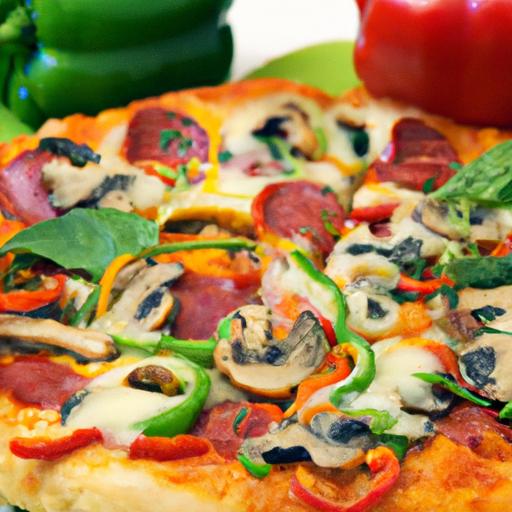

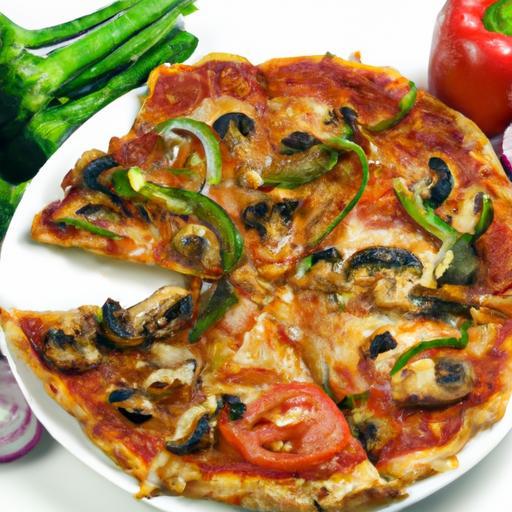

There’s something undeniably magical about a slice of crispy pizza the satisfying crunch of the crust, the gooey stretch of melted cheese, and the burst of flavorful toppings. Yet, achieving that perfect texture when reheating leftovers can feel like an elusive dream. Enter the Crispy Pizza Revival: a culinary renaissance that transforms your day old slices from soggy to sensational.
In this article, we’ll unlock the secrets and techniques to master the art of perfect reheating, so every bite snaps with fresh from the oven delight. Get ready to breathe new life into your pizza and savor that unbeatable crispiness, slice after slice.
Crispy Pizza Revival is not just about reheating a slice, it’s a culinary resurrection that restores them to a fresh, crispy delight worthy of any pizzeria. Every pizza lover knows the frustration of soggy, limp slices that taste far from their original glory. This guide unlocks the science behind that perfect crunch and flavor restoration by using the right tools and precise methods, ensuring each bite sings with texture and taste.
Prep and Cook Time
- Preparation: 5 minutes
- Cooking/Reheating: 8-10 minutes
- Total Time: 15 minutes
Yield
Serves 1-2 slices of crispy, reheated pizza
Difficulty Level
Easy – No professional equipment needed, just attentive reheating skills
Ingredients
- 2 slices leftover pizza (any toppings except pork)
- 1 tablespoon olive oil or vegetable oil
- 1 teaspoon water (optional, helps steam for cheese melting)
Instructions
- Heat the Pan: Place a non-stick skillet or cast iron pan over medium heat. Add the olive oil and swirl to coat evenly. Heating the pan first ensures the crust crisps up quickly without burning.
- Place the Pizza Slices: Lay the pizza slices cheese-side up in the hot pan. Avoid overcrowding to promote even reheating.
- Reheat the Crust: Let the slices cook uncovered for 3-4 minutes, checking the crust every minute. You want a golden-brown crisp that revives the base’s crunch without it turning hard or burnt.
- Add Moisture for Melted Cheese: Lower the heat to medium-low and add a teaspoon of water away from the pizza in the pan. Immediately cover the skillet with a lid to create steam. This delicate steaming melts the cheese and softens toppings, while the crust stays crispy.
- Finish Cooking: Steam for 2-3 minutes or until cheese looks glossy and bubbly. Remove the lid and cook an additional 30 seconds if the crust needs more crisp.
- Serve Immediately: Slide the pizza onto a plate, garnish as desired, and enjoy your perfectly revived slice.
Tips for Success: Choose, Cook, and Enjoy Like a Pro
- Pick the right pan: Cast iron skillets retain heat better for even crisping, but a quality non-stick pan works well too.
- Don’t overcrowd the pan: Leave space between slices to maintain airflow and prevent steaming the crust instead of crisping it.
- Use controlled heat: Medium to medium-low is key. High heat scorches crust before cheese melts; too low and the pizza becomes soggy.
- Skip the microwave to avoid sogginess: While tempting, microwaving melts cheese quickly but ruins crust texture.
- Try adding fresh herbs or a drizzle of extra virgin olive oil just before serving for a flavor boost.
- Store leftovers correctly: Wrap slices in parchment, then foil and refrigerate within two hours of original cooking for best freshness.
Serving Suggestions
Present your heated crispy pizza slice with a sprinkle of freshly grated Parmesan, torn basil leaves, or a crack of black pepper for that authentic pizzeria finish. Pair with a crisp side salad like arugula tossed in lemon vinaigrette to balance the richness. For a fun twist, offer a small bowl of chili flakes or garlic-infused olive oil for dipping, enhancing the texture and flavor profile.

| Nutrient | Per Slice (Approx.) |
|---|---|
| Calories | 320 kcal |
| Protein | 14 g |
| Carbohydrates | 35 g |
| Fat | 12 g |
For more kitchen mastery, check out our Perfect Pizza Dough Guide to craft your base before reheating. For a scientific deep dive, the Science Daily on food texture and reheating techniques offers fascinating insights.
Q&A
Q&A: Crispy Pizza Revival – Master the Art of Perfect Reheating
Q1: Why does reheated pizza often end up soggy or chewy?
A1: Reheated pizza tends to lose its perfect texture because of how moisture redistributes during the heating process. When reheated improperly, the crust absorbs steam from melted cheese and toppings, turning it soggy, while the cheese can become rubbery or grease-heavy.
Q2: What’s the secret to restoring that fresh from the oven crispiness?
A2: The key is managing heat and moisture carefully. Using a stovetop skillet or oven with a bit of added heat beneath the slice crisps the base thoroughly. Finishing with a brief broil or covering the pan helps evenly heat the toppings without oversteaming the crust, reviving that delightful crunch.
Q3: Can you reheat pizza directly in the microwave without losing quality?
A3: Microwaving alone is notorious for making pizza soggy or chewy because it heats unevenly and traps moisture. However, if you’re in a hurry, try placing a cup of water beside your pizza slice in the microwave or use a microwave crisper pan-both tricks help retain some texture, though the pan or oven method will yield better results.
Q4: Are there any tools or kitchen gadgets that make perfect reheating easier?
A4: Yes! A cast iron skillet or a pizza stone can elevate reheating. The heavy metal maintains even heat, reviving the crust’s crunch without drying out the toppings. Additionally, non-stick pans or oven-safe wire racks can help elevate the slice, allowing hot air to crisp the bottom evenly.
Q5: How can I keep leftover pizza fresh before reheating to maximize crispiness?
A5: Store pizza slices in an airtight container or wrap them tightly in foil or parchment paper to prevent moisture buildup in the fridge. Avoid stacking slices directly on top of one another to keep surfaces crisp. For longer storage, freezing slices in airtight bags preserves flavors and texture better than refrigeration alone.
Q6: Can reheating methods vary depending on the pizza style?
A6: Absolutely! Thin crust pizzas benefit especially from skillet or oven reheating for max crispiness, while deep-dish or thick-crust pies often require lower temperatures and longer reheating to warm the toppings without burning the crust. Adjust heat and time accordingly for each style to achieve mouthwatering results.
Q7: Any final tips for pizza lovers looking to revive their slices like a pro?
A7: Patience is key! Use moderate heat and watch closely to avoid scorching. Adjust skillet flame or oven temperature to match your slice. For an extra touch, finish with a sprinkle of fresh herbs or a drizzle of olive oil to elevate your reheated pizza to gourmet level.
Insights and Conclusions
As the last bite of your perfectly resurrected slice lingers on your palate, you’ll appreciate that reheating pizza is no mere afterthought it’s an art form. With a little know-how and the right techniques, every crust can reclaim its crisp, every topping can rediscover its zest, and each slice can rise again like a phoenix from the cardboard ashes. Whether you’re reviving last night’s leftovers or savoring a midday treat, mastering the crispy pizza revival transforms ordinary moments into extraordinary bites. So, next time hunger strikes, remember: perfection isn’t just baked fresh it can be reborn with a little crispy magic.