

Nestled in the heart of Middle Eastern cuisine lies a humble yet heavenly treasure: hummus. This creamy, golden dip has captivated taste buds for centuries, transcending borders and cultures with its rich history and irresistible flavor. But what exactly makes hummus so enchanting? In this article, we embark on a flavorful journey to uncover the origins, ingredients, and cultural significance of this beloved spread. From the silky blend of chickpeas and tahini to its countless variations, prepare to discover the secrets behind hummus, the creamy Middle Eastern delight explained.
Unlocking the Secrets of Texture: Mastering the Art of the Perfect Hummus
Hummus Uncovered: The Creamy Middle Eastern Delight Explained begins with a key aspiration-achieving the ideal velvety texture that elevates this beloved dip beyond ordinary. Every spoonful should caress the palate with a smooth, rich finish that is neither grainy nor overly dense. Balancing moisture, creaminess, and body is an art form rooted in technique and quality ingredients.
Traditional chickpeas, soaked and cooked until tender, form the essential base. However, the secret ingredient to that silky hummus texture lies in incorporating ice-cold water during blending to lubricate the mixture gently without watering it down. Additionally, the use of freshly ground tahini-rich, creamy ground sesame seeds is crucial for depth and smoothness.
Take care to process the hummus slowly, pausing to scrape the bowl, ensuring an even blend and incorporation of small bits that can transform a coarse mash into a luscious delight. Some chefs recommend peeling the chickpeas by gently pinching to remove skins before blending, a simple but time-intensive trick that results in an ultra refined outcome.
Prep and Cook Time
- Preparation: 15 minutes
- Cooking (for dried chickpeas): 1 – 1.5 hours (or use canned chickpeas for 0 minutes)
- Blending and assembly: 10 minutes
- Total Time: Approximately 1 hour 30 minutes (or 25 minutes using canned chickpeas)
Yield
Approximately 6 to 8 servings of smooth, creamy hummus, perfect for sharing at any gathering.
Difficulty Level
Easy to Medium – adaptable for beginners with tips for refined execution.
Ingredients
- 1 cup dried chickpeas (or 2 cups canned, drained and rinsed)
- 1/2 cup tahini (sesame seed paste), well stirred
- 1/4 cup freshly squeezed lemon juice
- 2 cloves garlic, crushed
- 1 teaspoon fine sea salt
- 1/2 teaspoon ground cumin
- 1/4 to 1/2 cup ice-cold water
- 2 tablespoons high-quality extra virgin olive oil, plus more for drizzling
Instructions
- Prepare the chickpeas: Soak dried chickpeas overnight in cold water. Drain and rinse. Simmer in a pot filled with fresh water until very tender, about 1 – 1.5 hours. Drain, reserving some cooking liquid if needed. For canned chickpeas, drain, rinse well.
- Optional peeling: For the smoothest texture, pinch each chickpea between your fingers to remove the skin. This step is time-intensive but yields ultra-silky hummus.
- Combine ingredients: In a food processor, blend the chickpeas, tahini, lemon juice, garlic, salt, and cumin until thick and creamy.
- Adjust texture: While processing, slowly add ice-cold water 1 tablespoon at a time. This loosens the mixture, creating a light, fluffy body without dilution. Examine every 30 seconds.
- Final blending: Scrape down the bowl as needed and blend again until perfectly smooth. The hummus should be airy and spread easily-a sign of mastery.
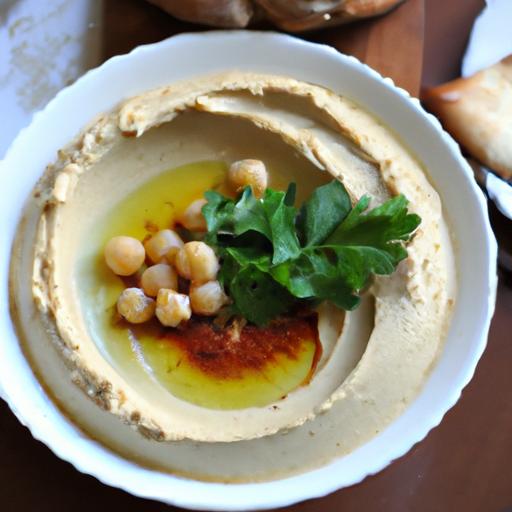
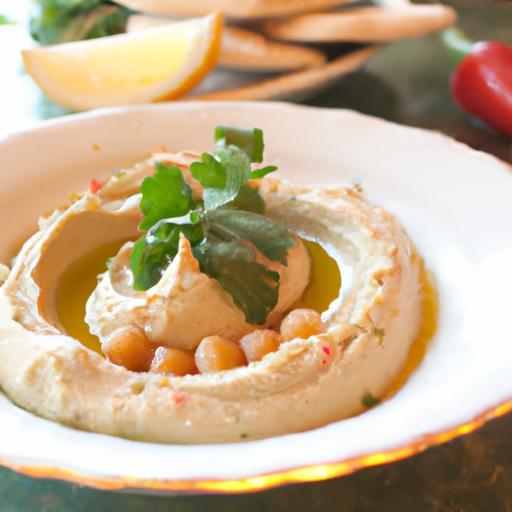
- Serve and garnish: Spoon the hummus into a serving bowl, creating a shallow well on top. Drizzle generously with olive oil, sprinkle with smoked paprika, a few whole chickpeas, and freshly chopped parsley or sumac for color and flavor contrast.
Chef’s Notes & Tips for Success
- Use fresh lemon juice and garlic: These brighten and lift the hummus flavor more vibrantly than bottled alternatives.
- High-quality tahini matters: Look for smooth, creamy tahini made from hulled sesame seeds for the best consistency.
- Ice-cold water is key: It emulsifies fats and solids without thinning the hummus.
- Peeling chickpeas: Though optional, this removes gritty texture and yields an exceptionally smooth dip.
- Make ahead: Store in an airtight container; flavors deepen after several hours or overnight in the fridge. Bring to room temperature before serving.
- Texture troubleshooting: If too thick, add reserved cooking liquid or water slowly. If too thin, blend in a few more chickpeas or a touch more tahini.
Serving Suggestions
Hummus Uncovered: The Creamy Middle Eastern Delight Explained is not only a versatile staple but also a canvas for creative presentation. Serve chilled or at room temperature alongside warm pita bread, vibrant crudités, or crispy falafel. Add a cascade of quality extra virgin olive oil, accents of bright sumac, toasted pine nuts, or za’atar herb blend for festive flair.
Incorporate into vibrant mezze platters, dollop atop grain bowls, or use as a flavorful base for spiced lamb or grilled vegetables. Its creamy texture invites both dipping and spreading, making it perfect for casual gatherings or elegant dining tables.

| Nutrient | Per Serving (approx.) |
|---|---|
| Calories | 180 kcal |
| Protein | 6 g |
| Carbohydrates | 15 g |
| Fat | 10 g |
Expand your culinary journey by exploring our Middle Eastern Recipes Collection. For deeper history and cultural insights on hummus, visit Encyclopedia Britannica.
Q&A
Q1: What exactly is hummus, and where does it come from?
A1: Hummus is a smooth, creamy dip made primarily from cooked, mashed chickpeas blended with tahini, olive oil, lemon juice, and garlic. Its roots trace back thousands of years to the Middle East, where it’s cherished as a staple in many cultures, symbolizing hospitality and shared meals.
Q2: What makes hummus so creamy and irresistible?
A2: The secret to hummus’s velvety texture lies in the perfect balance of ingredients and the process of blending. Tahini, a paste made from ground sesame seeds, adds richness. Slow-cooked chickpeas soaked and peeled for smoothness, combined with freshly squeezed lemon juice and extra virgin olive oil, create a luscious, creamy consistency that melts in your mouth.
Q3: Can hummus be customized beyond the traditional recipe?
A3: Absolutely! While the classic hummus is beloved, the canvas is vast for culinary creativity. From roasted red peppers, sun-dried tomatoes, and smoky paprika to fresh herbs like cilantro or parsley, each addition tells a new story. You can also experiment with different beans or pulses for variations on texture and flavor.
Q4: Is hummus nutritious or just a tasty treat?
A4: Hummus is a nutritional powerhouse! Packed with plant-based protein, fiber, vitamins, and healthy fats, it supports digestion and sustained energy. Its wholesome ingredients promote heart health, and because it’s naturally gluten-free and vegan, it fits wonderfully into many dietary lifestyles.
Q5: How is hummus traditionally enjoyed across the Middle East?
A5: In Middle Eastern culture, hummus is more than food, it’s a social connector. Often served as mezze, small dishes shared among friends and family, it’s eaten with warm pita bread, fresh vegetables, or alongside grilled dishes. It’s both a humble snack and a luxurious complement to meals.
Q6: What’s the best way to serve and store hummus at home?
A6: For serving, drizzle a little olive oil on top and sprinkle with paprika or chopped fresh herbs to tantalize the senses. Pair with crunchy veggies or soft bread for dipping. Store hummus in an airtight container in the refrigerator, where it keeps fresh for up to a week. Stir gently before serving to revive its creamy charm.
Q7: Are there any misconceptions about hummus that you’d like to clear up?
A7: One common misconception is that it’s challenging to make. In reality, with just a few simple ingredients and a food processor, homemade versions are straightforward and customizable. Another myth is that it’s only a side dish, when in fact it can star as a sandwich spread, salad dressing base, or hearty snack all on its own.
Q8: Can humming with hummus be part of a sustainable lifestyle?
A8: Definitely. Hummus’s base of chickpeas is a legume that enriches soil by fixing nitrogen, making it an environmentally friendly crop. Eating more plant-based meals with hummus reduces reliance on resource intensive animal products, aligning culinary delight with eco-conscious choices.
Concluding Remarks
As we peel back the layers of hummus, this creamy Middle Eastern delight reveals itself not just as a humble dip, but as a rich tapestry of history, culture, and flavor. From its ancient origins to its modern day reinvention on plates worldwide, hummus continues to unite people, one luscious scoop at a time. So next time you savor that velvety dollop, remember you’re tasting centuries of tradition blended with a future full of culinary possibilities. Whether served at a festive feast or a simple snack, hummus remains a timeless celebration of simplicity and soul in every bite.