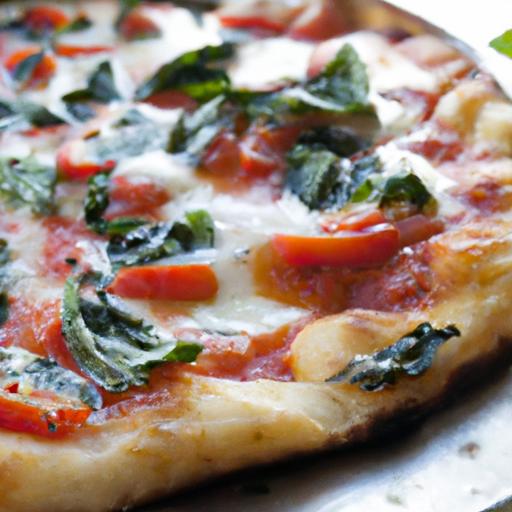

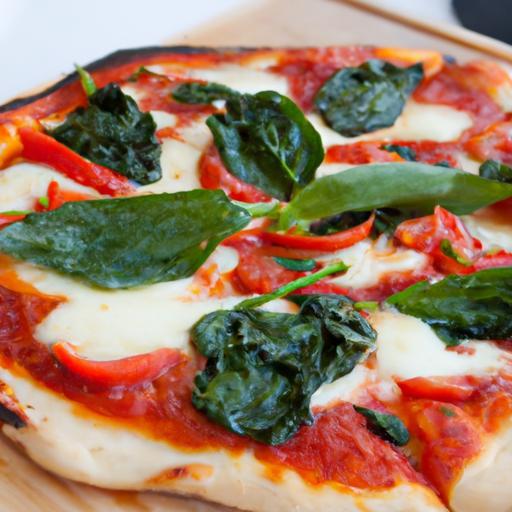

There’s a certain spellbinding allure to the Margherita pizza-a simple symphony of vibrant red tomatoes, creamy white mozzarella, and fresh green basil that has captivated taste buds for centuries. More than just a humble dish, Margherita is a timeless emblem of Italian heritage, embodying the colors of the nation’s flag while delivering an unforgettable culinary experience. In this article, we’ll unravel the magic behind the classic Margherita, exploring its rich history, the art of its perfect preparation, and why this iconic pizza continues to enchant food lovers around the world. Whether you’re a devoted aficionado or a curious newcomer, join us as we delve into the enduring charm of the Margherita-a true masterpiece of simplicity and flavor.
Margherita Magic: The Classic Pizza’s Timeless Charm
Margherita Magic takes you on a flavorful journey through the rich history and artisanal craft of creating the perfect pizza dough and sauce, using only the finest ingredients for an authentic taste that honors tradition while inviting your personal culinary flair.
Prep and Cook Time
- Preparation: 20 minutes (plus 1-2 hours dough rising)
- Cooking: 10-12 minutes
- Total Time: Approximately 1 hour 30 minutes to 2 hours 30 minutes
Yield
Serves 2-3 generous portions or 4 smaller slices each.
Difficulty Level
Medium – Requires moderate patience for dough proofing and attention to detail for sauce balance.
Ingredients
- For the Dough:
- 3 ½ cups all-purpose flour, sifted
- 1 ¼ cups warm water (about 110°F / 43°C)
- 2 tsp active dry yeast
- 1 tbsp extra virgin olive oil
- 1 tsp sea salt
- 1 tsp granulated sugar
- For the Sauce:
- 1 cup canned San Marzano tomatoes, crushed by hand
- 1 small garlic clove, finely minced
- 1 tbsp extra virgin olive oil
- ½ tsp sea salt
- Freshly ground black pepper, to taste
- 5-6 fresh basil leaves, torn
- Toppings:
- 8 oz fresh mozzarella cheese, sliced and drained well
- Fresh basil leaves for garnish
- Extra virgin olive oil for drizzling
Instructions
- Activate the yeast: In a small bowl, combine warm water, yeast, and sugar. Stir gently and let it rest for 5-10 minutes until frothy.
Tip: If no froth appears, your yeast may be inactive-use fresh yeast for best results. - Mix the dough: In a large bowl, whisk flour and salt. Create a well, pour in olive oil and yeast mixture. Stir with a wooden spoon until dough begins to form.
- Knead the dough: Transfer dough to a floured surface and knead for about 8-10 minutes until smooth and elastic.
Tip: Dough should be slightly tacky but not sticky; sprinkle flour sparingly to avoid dryness. - Rise: Place dough in a lightly oiled bowl, cover with a damp cloth or plastic wrap, and let rise in a warm spot for at least 1 hour or until doubled in size.
- Prepare the sauce: While dough rests, combine crushed tomatoes, garlic, olive oil, salt, and pepper in a bowl. Mix gently. Stir in chiffonade basil leaves just before using.
Tip: No cooking needed; this keeps the sauce fresh and bright. - Preheat oven: Set your oven to 500°F (or highest setting). Place a pizza stone or inverted baking sheet inside to heat.
- Shape the dough: Punch down risen dough and divide it into two. On a floured surface, stretch or roll each portion into a 10-12 inch circle.
Tip: Use your knuckles to gently stretch dough for an airy crust. - Assemble: Transfer dough to a parchment sheet. Spread a thin layer of sauce evenly, avoiding the edges to form a crust. Arrange mozzarella slices with care, ensuring even coverage.
- Bake: Slide parchment with pizza onto heated stone/sheet. Bake for 10-12 minutes, or until crust is golden and cheese bubbles.
Tip: Rotate pizza halfway through for even coloration. - Finish and serve: Remove pizza, garnish with fresh basil leaves. Drizzle with a little extra virgin olive oil. Slice and enjoy immediately.
Chef’s Notes
- Dough variations: For an airier crust, substitute ½ cup all-purpose flour with ½ cup ’00’ flour if available.
- Cheese alternatives: Use a blend of fresh mozzarella and fior di latte for a creamier mouthfeel.
- Sauce twists: Add a pinch of crushed red pepper flakes to the sauce for subtle heat without overpowering.
- Make-ahead tips: Dough can be refrigerated overnight for improved flavor and texture; bring to room temperature before shaping.
- Troubleshooting: If dough is too sticky, rest it for 10 minutes before kneading again. If sauce tastes too acidic, stir in a pinch of sugar.
Serving Suggestions
Present your pizza on a rustic wooden board for that authentic pizzeria feel. Complement with a side of fresh arugula drizzled with lemon and olive oil to balance the richness. For garnish, scatter vibrant basil leaves and finish with a sprinkle of flaky sea salt to elevate every bite. Pair with sparkling water infused with fresh citrus for a refreshing contrast.
| Nutritional Info | Per Serving |
|---|---|
| Calories | 420 kcal |
| Protein | 18 g |
| Carbohydrates | 48 g |
| Fat | 14 g |
Explore more on traditional Neapolitan pizza techniques here.
For detailed historical insights on Margherita pizza and its cultural significance, visit Britannica – Pizza History.

Q&A
Q&A: Margherita Magic: The Classic Pizza’s Timeless Charm
Q1: What makes Margherita pizza a timeless classic in the world of pizza?
A1: Margherita pizza embodies simplicity and tradition, combining just a few high-quality ingredients-fresh mozzarella, ripe tomatoes, fragrant basil, and a perfect crust. Its colors mirror the Italian flag, and its balance of flavors has charmed taste buds for over a century, proving that sometimes less truly is more.
Q2: How did Margherita pizza get its name?
A2: Legend has it that Margherita pizza was named after Queen Margherita of Savoy during a royal visit to Naples in 1889. The pizza maker crafted a pie featuring the colors of the Italian flag-red (tomato), white (mozzarella), and green (basil)-as a patriotic gesture, and the queen’s delight forever linked her name with this iconic dish.
Q3: What sets an authentic Margherita pizza apart from other pizzas?
A3: Authentic Margherita pizza is distinguished by its adherence to tradition-in particular, the use of San Marzano tomatoes, fresh mozzarella di bufala, fragrant basil leaves, extra virgin olive oil, and a thin, wood-fired crust. The result is a harmonious blend of fresh, bright flavors where no ingredient overshadows the others.
Q4: Why is the crust so important in a Margherita pizza?
A4: The crust is the foundation of Margherita magic. It must be light, airy, and slightly charred to provide textural contrast and a subtle smoky flavor. A flawless crust not only supports the toppings but elevates the entire pizza, creating a canvas for the simple yet profound ingredients.
Q5: Can Margherita pizza be adapted for dietary preferences or restrictions?
A5: Absolutely! Margherita’s simplicity makes it versatile. For those avoiding dairy, plant-based mozzarella alternatives can be used without losing the pizza’s spirit. The core essence-fresh tomatoes, basil, and olive oil-remains the heart of the dish, keeping it fresh and inviting for diverse palates.
Q6: What role does basil play in the flavor profile of Margherita pizza?
A6: Basil adds a sweet, aromatic brightness that lifts the richness of the cheese and tomato. It’s the green spark that enlivens every bite, offering herbal freshness and an unmistakable character that completes the pizza’s sensory experience.
Q7: How has Margherita pizza influenced global pizza culture?
A7: Margherita pizza is often considered the “gold standard” against which all other pizzas are measured. Its emphasis on quality ingredients and balance has inspired countless adaptations worldwide, reminding chefs and home cooks alike that honoring tradition can coexist with creative expression.
Q8: What are the secrets to making the perfect Margherita pizza at home?
A8: To capture Margherita magic at home, use the freshest ingredients you can find, stretch the dough gently to preserve air bubbles, and cook the pizza at the highest temperature possible-ideally on a pizza stone or steel to mimic a wood-fired oven. Finish with a drizzle of extra virgin olive oil and fresh basil leaves added after baking for peak aroma.
Q9: How does Margherita pizza embody Italian culinary philosophy?
A9: Margherita pizza reflects Italy’s culinary ethos: respect for regional ingredients, simplicity, and passion for food as a cultural expression. It’s a dish where quality triumphs over complexity, celebrating the natural flavors and traditions that define Italian cooking.
Q10: Why do people keep coming back to Margherita pizza generation after generation?
A10: Its timeless charm lies in its honest, straightforward deliciousness. Margherita pizza is a comforting constant-a reminder of tradition, craftsmanship, and community-that continues to bring people together with its universal appeal and pure, delightful flavors.
To Wrap It Up
As the final slice of Margherita pizza is savored, its timeless charm lingers-a simple symphony of fresh basil, ripe tomatoes, and creamy mozzarella that continues to captivate palates across generations. This classic masterpiece, born from humble ingredients, reminds us that culinary magic lies in balance and tradition. Whether enjoyed in a bustling Napoli pizzeria or crafted lovingly at home, the Margherita remains a delicious testament to the enduring power of simplicity in the world of pizza. In every bite, history and flavor meld, inviting us to celebrate the art of classic Italian comfort, time and time again.