

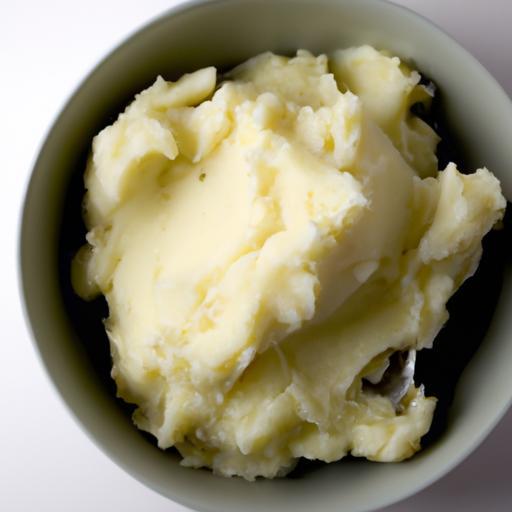

There’s an undeniable comfort in a scoop of perfectly creamy mashed potatoes a dish that transcends seasons and celebrations, evoking memories of family gatherings and hearthside warmth. Yet, behind its seemingly simple facade lies an art form, a delicate balance of technique and timing that transforms humble spuds into a silky, cloud-like indulgence. In this article, we unravel the secrets to mastering this culinary classic, revealing the tips, tricks, and expert wisdom that elevate mashed potatoes from everyday side dish to show-stopping stardom on your dinner table. Get ready to uncover the science and soul behind the art of perfectly creamy mashed potatoes.
The Science Behind Creaminess Unlocking the Magic of Potato Selection Mastering Texture with Precise Cooking Techniques Elevating Flavor with Expert Butter and Cream Choices
Perfectly creamy mashed potatoes are a culinary treasure, renowned for their velvety texture and rich flavor that elevate any meal. Choosing the right type of potato is the foundation: starchy varieties like Russets or Yukon Golds break down easily, creating that smooth, fluffy base every cook dreams of. Their unique cell structure allows them to absorb butter and cream gracefully, turning a simple mash into a luscious delight.
Timing and technique reign supreme when it comes to texture mastery. Cook your potatoes just until tender usually about 15-20 minutes in gently boiling water to avoid water logging or undercooking. The cooking water should be salted like the sea, enhancing natural flavors from the start. Once drained, ricing or mashing while the potatoes are still hot ensures a silky, lump-free finish.
Next, the magic continues with your fat choices. Using high-quality unsalted European-style butter boasting at least 82% butterfat is key to achieving that rich mouthfeel. Pair it with heavy cream or crème fraiche for an indulgent silkiness that melts on the tongue. Incorporate these ingredients gradually, folding gently to preserve the fluffy airiness rather than dense heaviness.
Prep and Cook Time
- Preparation: 10 minutes
- Cooking: 20 minutes
- Total: 30 minutes
Yield
Serves 4 generous portions
Difficulty Level
Easy – Perfect for cooks of all skill levels ready to elevate their comfort food game
Ingredients
- 2 pounds Yukon Gold or Russet potatoes, peeled and cut into uniform chunks
- 1 teaspoon kosher salt (for cooking water)
- 4 tablespoons unsalted European-style butter, melted and warmed slightly
- 1/2 cup heavy cream, warmed gently
- Freshly ground black pepper to taste
- Optional: 2 tablespoons crème fraiche or sour cream for extra tang and creaminess
- Chopped fresh chives or parsley for garnish
Instructions
- Prepare the potatoes: Place peeled and chopped potatoes in a large pot. Cover with cold water and stir in 1 teaspoon kosher salt. Bring to a boil over medium-high heat.
- Cook until tender: Reduce heat and simmer gently for 15-20 minutes, or until a fork pierces the potatoes easily. Avoid overcooking to prevent excess water absorption.
- Drain carefully: Drain the potatoes thoroughly and return them to the hot pot for 1 minute, allowing excess moisture to evaporate.
- Mash or rice potatoes: Using a potato ricer or masher, process the potatoes while still hot. This step is crucial for achieving an ultra-smooth texture without gummy starch release.
- Incorporate butter: Slowly fold in the warmed butter in small additions, blending gently to coat each potato grain evenly.
- Add cream gradually: Warm the cream and add it in increments, stirring with a spatula or wooden spoon until the desired luscious consistency develops.
- Season and finish: Season with freshly ground black pepper and adjust salt if needed. For an optional tang, fold in crème fraiche or sour cream now.
- Serve immediately: Spoon into a warmed bowl and garnish with vibrant chives or parsley for a splash of color and freshness.
Tips for Success
- Choose your potatoes wisely: Yukon Golds offer buttery flavor and creamy texture, while Russets yield a fluffy, cloud-like finish.
- Don’t overwork the potatoes: Over-mixing activates starch and creates gluey, dense mash rather than light creaminess.
- Use warmed dairy products: Cold butter or cream will cool the potatoes and resist blending, compromising smoothness.
- For make-ahead: Prepare potatoes and mix butter and cream. Reheat gently over a double boiler and whisk to restore silkiness before serving.
Serving Suggestions
These perfectly creamy mashed potatoes shine alongside roasted chicken, grilled vegetables, or a hearty mushroom gravy. For an elegant touch, serve dolloped with a pat of herb-infused butter or drizzled lightly with extra virgin olive oil. Garnishing with fresh chopped chives or parsley adds both color and a subtle herbal brightness that cuts through the richness beautifully.
| Nutrient | Per Serving |
|---|---|
| Calories | 290 kcal |
| Protein | 4.5 g |
| Carbohydrates | 37 g |
| Fat | 13 g |

Unlock your kitchen’s potential and bring magic to your table with this thoughtfully crafted approach to mashed potato perfection. Learn more culinary secrets in our Ultimate Guide to Potato Cooking or explore the science behind dairy fat at Dairy Goodness.
Q&A
Q&A: The Art of Perfectly Creamy Mashed Potatoes Unveiled
Q1: What type of potatoes are best for achieving that perfectly creamy texture?
A1: Starchy potatoes like Russets or Yukon Golds are your best friends here. Russets break down easily and yield fluffy mash, while Yukon Golds bring a naturally buttery, creamy texture without needing as much added fat.
Q2: Should I peel my potatoes or leave the skins on for creaminess?
A2: For the classic ultra-smooth creaminess, peeling is ideal. Potato skins can add texture and a rustic element but tend to interrupt that velvety consistency. However, if you enjoy a bit of rustic charm, leaving some skin on can add a delightful earthiness.
Q3: How important is the method of mashing in getting creamy mashed potatoes?
A3: It’s crucial. Overworking with a food processor or blender makes potatoes gluey and gummy. For creamy perfection, use a ricer, food mill, or a sturdy masher. These tools break down potatoes gently, yielding a luscious texture without becoming gluey.
Q4: What role does the liquid play in creaminess?
A4: The liquid is the magic elixir! Warm milk, cream, or a combo of both helps create a smooth, luscious texture. Warm liquids blend more easily into hot potatoes, preventing clumps and adding richness. Some add a touch of vegetable broth for flavor without sacrificing creaminess.
Q5: Can I make mashed potatoes creamy without using traditional dairy?
A5: Absolutely! Unsweetened plant-based milks (like oat or cashew milk) and dairy-free butters or oils provide creamy, rich alternatives. Just warm them gently before mixing in to help maintain that silky texture.
Q6: How do you avoid watery or gluey mashed potatoes?
A6: Rinse peeled potatoes briefly before cooking to remove excess starch, but don’t soak them too long-they’ll absorb water. Drain boiled potatoes well and mash while hot. Avoid mixing too aggressively and don’t add cold liquids, as both can cause separation or a gummy feel.
Q7: Are there any secret ingredients that elevate mashed potatoes to a luxurious level?
A7: A touch of cream cheese or mascarpone can add indulgent silkiness and subtle tang. Freshly ground white pepper and a sprinkle of nutmeg can deepen flavor without overpowering that creamy goodness.
Q8: What’s a foolproof way to keep mashed potatoes creamy and warm for serving?
A8: Keep them gently covered in a warm oven (around 200°F / 95°C) or use a slow cooker on low heat. Stir occasionally and add a splash of extra cream or milk if needed to maintain the ideal texture.
Q9: How do temperatures affect the making of mashed potatoes?
A9: Temperature is everything! Potatoes mash best when hot. Adding warm dairy or liquids helps create a smooth blend, while cold ingredients can cause clumping and toughen the edges, breaking the creaminess.
Q10: Can mashed potatoes be made ahead and still taste creamy?
A10: Yes! Prepare them fully, then store in an airtight container in the fridge. Reheat gently on the stovetop or in the oven, stirring in a little warm milk or cream to restore softness. This way, creamy comfort is ready on your schedule.
In Summary
As the steam rises from your bowl of perfectly creamy mashed potatoes, you’ve not only crafted a dish but also embraced a timeless culinary tradition. This art, unveiled through careful technique and a touch of patience, reminds us that simplicity harbors depth and that every spoonful tells a story of comfort and care. Whether served alongside a festive feast or as a humble side, your mastery of mash elevates every meal into a celebration of texture, flavor, and heartwarming satisfaction. So go ahead mash those potatoes with confidence, and savor the creamy perfection that only true craft can achieve.