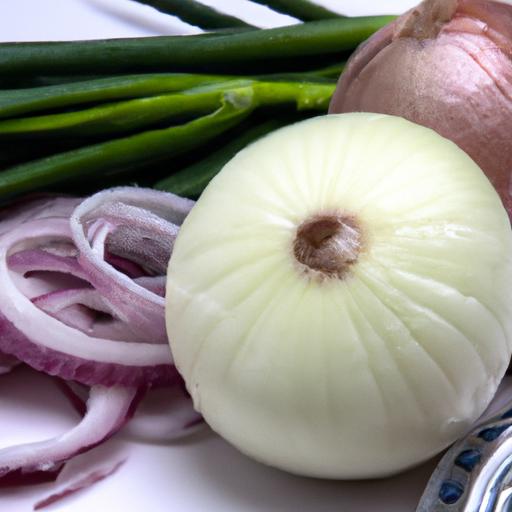

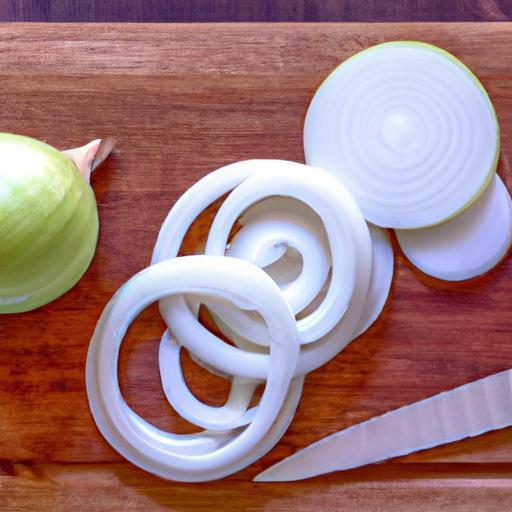

There’s a secret ingredient in every great kitchen: a tear-free chopping experience. For many, the mere thought of slicing onions summons a flood of tears, stinging eyes, and hurried bathroom breaks. But what if you could master the art of chopping onions without the watery consequences, turning this common kitchen task into a seamless, almost meditative ritual? In this article, we’ll explore simple yet surprisingly effective techniques to banish those pesky tears for good. Get ready to sharpen your skills, protect your eyes, and embrace the onion’s flavor without the drama – because every chef deserves a tear-free chopping zone.
Master the Art: Chop Onions Tear-Free Every Time!
Master the Art: Chop Onions Tear-Free Every Time! is more than just a cooking skill-it’s an essential technique that transforms a kitchen chore into a confident, mess-free experience. Whether you’re preparing a hearty stew or a fresh salsa, mastering the science behind onion tears and learning the right tools and techniques will elevate your cooking routine and keep your eyes clear of stinging tears.
Prep and Cook Time
- Preparation Time: 10 minutes
- Cooking Time: N/A (focuses on prep technique)
Yield
Perfectly chopped onions for up to 4 servings
Difficulty Level
Easy to Medium – ideal for both beginner and experienced cooks
Ingredients
- 2 medium yellow onions, peeled
- 1 tablespoon lemon juice (optional, for reducing irritation)
- Cold water, for rinsing
- Sharp chef’s knife or onion chopper tool
- Cutting board, preferably wooden or non-slip
Understanding Why Onions Make You Cry and How to Avoid It
When you cut into an onion, you break cells that release a sulfur-containing enzyme called alliinase. This enzyme reacts with sulfur compounds to produce syn-propanethial-S-oxide, a volatile gas that evaporates and reaches your eyes. Once it contacts the moisture in your eyes, it forms mild sulfuric acid, irritating your tear glands and causing them to produce tears.
Keeping this natural chemical reaction in check is the key to chopping onions tear-free. Techniques that reduce the onion’s enzyme activity or prevent the gas from reaching your eyes work wonders.
Proven Techniques to Prevent Eye Irritation While Chopping
- Chill the onions for 30 minutes before cutting, which slows enzyme reactions and reduces the release of volatile compounds.
- Use a sharp knife. A dull blade crushes onion cells, releasing more irritants; a sharp blade creates clean cuts and fewer fumes.
- Cut near a source of running water or keep a damp cloth nearby to absorb fumes. Water traps the gas before it reaches your eyes.
- Work in a well-ventilated area or position a small fan to blow the fumes away from your face.
- Wear protective eyewear designed for kitchen use if you want complete tear-free confidence.
Essential Tools That Make Onion Cutting a Breeze
Investing in the right equipment can significantly improve your chopping experience. A sharp chef’s knife with a well-balanced grip helps you slice uniformly and safely. For those seeking convenience, an onion chopper with multiple blades can speed up the process while minimizing tear exposure.
A sturdy cutting board with a non-slip base or damp towel underneath prevents accidents and swaying, allowing for cleaner cuts.
Step by Step Guide to Perfectly Chop Onions Without Tears
- Chill the onion in the refrigerator for at least 30 minutes. Cold onions release fewer tear-inducing compounds.
- Peel the outer skin carefully, leaving the root end intact, as it has the highest concentration of enzymes.
- Trim the top of the onion, but keep the root end whole to hold the onion together.
- Slice the onion in half vertically from top to root.
- Place one half flat on the cutting board. Make vertical cuts from top to bottom, spacing them evenly but not cutting through the root end.
- Rotate the onion and make horizontal cuts parallel to the board, again not cutting through the root end. Hold the onion firmly.
- Finally, slice across the vertical cuts from top to bottom, working toward the root, resulting in uniform diced onion pieces.
- Rinse the chopped onion in cold water if desired to reduce irritants further.
- Pat dry with a paper towel and you’re ready to add tear-free onions to your dish.
Chef’s Notes: Tips for Success
- Use acid: A light brush or sprinkle of lemon juice on the onion surface can neutralize some enzymes.
- Work quickly: The less time the onion is exposed, the fewer irritants are released.
- Storage: Keep peeled onions in airtight containers and refrigerate to maintain freshness and reduce enzyme activity.
- Substitutions: Sweet onions typically contain less sulfur and cause fewer tears.
- Cleaning knives: Rinse your knife frequently to prevent enzyme buildup during chopping.
Serving Suggestions
Once you have your perfectly chopped onions, add them raw to salads or pico de gallo, caramelize them slowly for savory dishes, or sauté with garlic as the flavor base for soups and stews. Garnish your dishes with fresh herbs like parsley or cilantro to complement the delicate, fresh onion flavor without overpowering the palate.

Nutritional Information per 100g of Chopped Onion
| Calories | Protein | Carbs | Fat |
|---|---|---|---|
| 40 kcal | 1.1 g | 9.3 g | 0.1 g |
For more insights on knife skills and kitchen techniques, check out our Ultimate Guide to Knife Skills. To understand the chemical details behind onion tears, you can visit ScienceDaily’s breakdown of onion chemistry.
Q&A
Q&A: Master the Art: Chop Onions Tear-Free Every Time!
Q1: Why do onions make us cry when we chop them?
A1: When an onion is cut, it releases a sulfur-containing compound that reacts with enzymes in the onion’s cells to form a volatile gas called syn-Propanethial-S-oxide. This gas rises and reaches our eyes, where it reacts with the moisture to form sulfuric acid, causing irritation and tears as a natural defense mechanism.
Q2: What’s the secret to chopping onions without tears?
A2: The trick lies in minimizing the release and exposure to that tear-inducing gas. Some clever techniques include chilling the onion before cutting, using a sharp knife to reduce cell damage, and cutting near running water or a fan to blow the gas away from your eyes.
Q3: How does chilling an onion help reduce tears?
A3: Cooling slows down the chemical reactions inside the onion cells, meaning fewer irritating gases are produced when you slice. Simply pop your onion in the fridge for about 30 minutes before chopping, and the tear factor diminishes significantly!
Q4: Can the way we cut an onion make a difference in eye irritation?
A4: Absolutely! Using a sharp knife is essential because it cleanly slices through the onion cells, releasing fewer irritants. Also, cutting the root end last is helpful since the bulb’s base contains a higher concentration of sulfur compounds.
Q5: Are there any handy tools or tricks to keep tears at bay?
A5: Yes! Wearing kitchen goggles creates a protective barrier for your eyes. Alternatively, chopping onions near an open flame-like a gas stove’s flame-helps burn off some of the gases before they reach your eyes. Just exercise caution when working around flames.
Q6: Does peeling onions under water stop tears?
A6: Peeling or cutting onions under running water or submerged can wash away the sulfur gases before they reach your eyes. However, it may be a bit messy and tricky to handle. Still, it’s an effective method if you’re determined to keep tear-free.
Q7: What other tips can make onion prep easier and more tear-friendly?
A7: Along with chilling and using sharp knives, try these: keep your face away from the cutting board, breathe through your mouth instead of your nose, and slice onions in a well-ventilated area. These little habits all add up to a more comfortable chopping session.
Q8: Can cooking onions help prevent tears?
A8: Yes! Once an onion is cooked, the sulfur compounds break down and lose their sharp edge, meaning they no longer cause the stinging sensation or tears. So if your recipe allows, try cooking onions before adding them to your dish for a tear-free experience.
Q9: What’s the best overall strategy for chopping onions without crying?
A9: Combine multiple methods for maximum success: chill your onion, cut with a sharp knife, work near fresh air or a fan, avoid slicing the root end first, and consider wearing protective eyewear. With practice, you’ll master this art and wave goodbye to tears forever!
Mastering onion chopping is more than just skill; it’s a matter of technique and know-how. With these insightful tips, your kitchen will be a tear-free zone-ready for culinary creativity, every single time!
Closing Remarks
As you embark on your tear-free chopping journey, remember that mastering this simple kitchen skill transforms not just your cooking experience, but your entire approach to food preparation. With these tips in your culinary toolkit, those pesky onion tears are a thing of the past-leaving you free to focus on the flavors, aromas, and memories you create. So grab that knife with confidence, slice with precision, and let your kitchen be a place of joy, not tears. Here’s to mastering the art of chopping onions-tear-free, every single time!