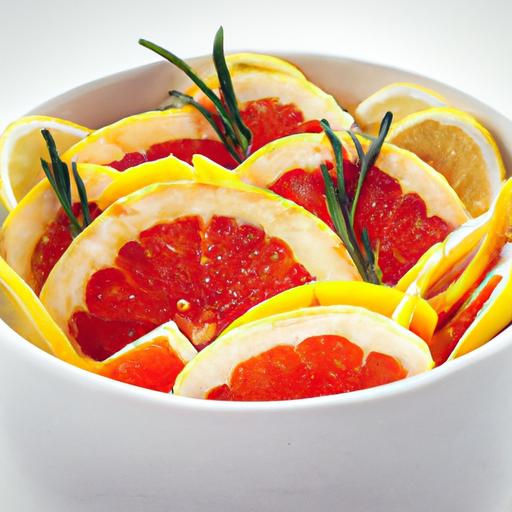

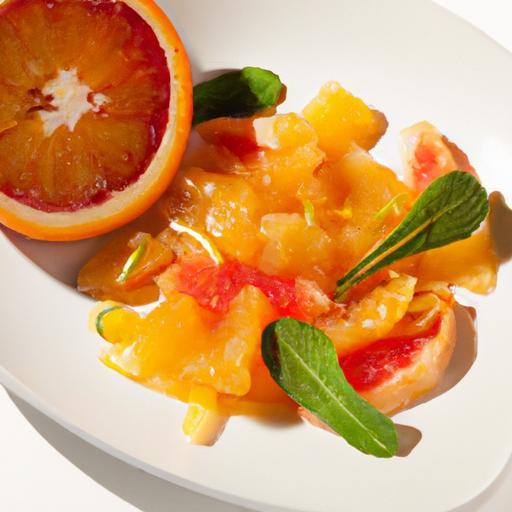

There’s an art to transforming a simple citrus fruit into luminous, juicy segments that sing with flavor and elegance. Whether you’re preparing a dazzling salad, an exquisite dessert, or a refined cocktail garnish, mastering the technique of creating perfect citrus supreme elevates your culinary creations to a new level of sophistication. This guide peels back the layers on expert tips and tricks, revealing how to effortlessly extract flawless, membrane-free segments that burst with vibrant color and pure citrus essence. Prepare to sharpen your knives and awaken your senses-because perfect citrus supreme is within your reach, waiting to brighten every bite and impress every palate.
Mastering Citrus Supreme: Expert Tips for Perfect Segments
Mastering Citrus Supreme unlocks a vibrant world of flavor and texture in your culinary creations, elevating dishes with the bright, juicy purity of citrus without any bitterness. From luscious oranges and blood oranges to tangy grapefruits and sweet mandarins, understanding how to segment citrus fruit flawlessly transforms simple recipes into artful presentations.
Prep and Cook Time
Preparation: 15 minutes
Cook Time: None required
Yield
Serves 4 as a refreshing side or garnish
Difficulty Level
Medium – requires attention to detail but simple with practice
Ingredients
- 4 large navel oranges, ripe and firm
- 2 medium Ruby Red grapefruits, seedless preferred
- 2 mandarins, peeled and segmented whole for contrast
- 1 lemon, for zest and optional juice
- Fresh mint sprigs, for garnish (optional)
- Fine sea salt, to taste (optional enhancement)
Understanding Citrus Supreme Varieties and Their Unique Qualities
When mastering citrus supreme, choosing the right varieties shapes your ultimate flavor profile. Navel oranges boast sweet, tender flesh with thick peel, ideal for clean segmenting without losing juice. Ruby Red grapefruits offer a balance of tartness and subtle sweetness, their vibrant pink segments adding eye-catching color. Mandarins present naturally easy-to-peel fruits with smaller, bite-sized segments, perfect for layering textures in salads or desserts. Each citrus variety’s membrane thickness and juice content influence the segmentation technique and the final dish’s moistness and visual appeal.
Essential Tools and Techniques for Flawless Citrus Segmentation
Achieving perfect citrus segments requires a sharp paring knife, a seasoned citrus prep board, and a stable working surface. Opt for a knife with a narrow, flexible blade – this grants cleaner cuts between membranes, preserving the vibrant flesh without tearing. Mastering the angle of slicing and supporting each orange or grapefruit while peeling away the zest layer are key steps for clean, neat segments. A steady hand and patience yield supreme, jewel-like pieces bursting with juice.
Step-by-Step Guide to Achieving Perfectly Clean and Juicy Segments
- Trim the ends of each fruit with a sharp knife, creating flat surfaces so the citrus can stand upright on your prep board.
- Slice the peel away in strips from top to bottom, following the curve closely to remove the bitter white pith but keep the flesh intact.
- Hold the peeled fruit in one hand and carefully run your knife along each side of the membrane, freeing individual segments from the fruit’s core.
- Gently lift each citrus segment from the membrane with your knife or fingers, ensuring no pith or peel remains attached.
- For extra juiciness, squeeze the discarded membrane halves over the segments to catch residual juice and drizzle lightly.
Expert Tips for Storing and Serving Citrus Supreme Like a Pro
Store your citrus segments in an airtight container lined with a paper towel to absorb excess moisture, maintaining freshness for up to 2 days refrigerated. Serve chilled to highlight their zesty vibrance, and finish with a delicate sprinkle of fine sea salt to enhance natural sweetness. Garnishes such as fresh mint or edible blossoms elevate presentation further. Incorporate these segments atop green salads, in vibrant salsas, or as a refreshing palate cleanser to truly master citrus supreme.
Tips for Success
- Use ripe but firm citrus to facilitate clean peeling and segmenting.
- Keep your knife razor-sharp to prevent tearing delicate membranes.
- Practice gentle pressure when slicing to avoid juice loss and maintain plump segments.
- Experiment with citrus combinations for balanced sweetness and acidity layering.
- Make juice from leftover peel and membranes to add brightness to vinaigrettes or cocktails.
Serving Suggestions
- Arrange citrus supreme segments on a chilled platter with fresh herbs and edible flowers for brunch tables or sophisticated appetizers.
- Use segments as a topping on vanilla bean panna cotta or creamy yogurts for a burst of freshness and visual appeal.
- Combine with avocado, fennel, and toasted almonds for a crunchy, citrusy salad.
- Enhance seafood dishes-like grilled scallops or ceviche-with citrus supreme to brighten and balance flavors.
| Nutrient | Per Serving (100g) |
|---|---|
| Calories | 45 |
| Protein | 0.9g |
| Carbohydrates | 11.5g |
| Fat | 0.1g |
For more detailed tips on perfect fruit preparation, visit our comprehensive fruit slicing and plating guide.
Explore deeper insights about citrus fruit health benefits on Healthline.

Q&A
Q&A: Mastering Citrus Supreme: Expert Tips for Perfect Segments
Q1: What exactly is a citrus supreme, and why is it favored in culinary presentations?
A1: A citrus supreme refers to the perfectly peeled and segmented flesh of citrus fruits like oranges, grapefruits, lemons, or limes, with all membranes and pith completely removed. This technique reveals jewel-like wedges of vibrant fruit that are as visually stunning as they are easy to eat. Chefs favor supremely segmented citrus for its elegant presentation and smooth, membrane-free texture that enhances both salads and desserts.
Q2: Which citrus fruits work best for supreme segments?
A2: While most citrus fruits can be supremely segmented, larger fruits with thicker membranes-such as grapefruits, oranges, and pomelos-showcase the technique beautifully. Limes and lemons can also be supremed, but their small size demands extra precision and patience. For beginners, starting with navel oranges or cara cara oranges offers a good balance between size and ease.
Q3: What are the key tools needed to master citrus supreming?
A3: The essentials include a sharp paring knife, a cutting board, and perhaps a small serrated knife for extra grip on slippery fruit. A steady hand and a bit of patience are your best allies; your knife should glide deftly, trimming away the peel and membranes without wasting juicy flesh.
Q4: How do you prepare the fruit before supreming?
A4: Begin by trimming off both the top and bottom ends of the citrus to create a stable base. Using your knife, carefully slice away the peel and the white pith, following the fruit’s curve. Removing all the bitter pith is crucial-it’s what makes the final segments uniformly sweet and silky.
Q5: What is the secret to removing the segments cleanly without damaging the juicy flesh?
A5: The secret lies in slicing along the natural membrane boundaries. Once peeled, hold the fruit in your palm and cut alongside each membrane with your knife angled inward. Gentle, deliberate cuts will free the segments in perfect pieces, resembling edible gems that burst with juice and flavor.
Q6: Can supreme segments be prepared in advance?
A6: Yes, supreme segments can be prepared ahead of time and stored in an airtight container in the refrigerator for up to 24 hours. To keep them fresh and luscious, sprinkle a few drops of citrus juice over the segments to prevent drying out and browning.
Q7: What culinary uses showcase supremely segmented citrus best?
A7: Supremed citrus elevates any dish-think vibrant fruit salads, refreshing salsas, light citrus desserts, or colorful garnishes. Their clean edges and bright colors add sophistication to plates, whether paired with creamy cheeses, crunchy nuts, or fresh herbs like mint and basil.
Q8: Are there creative flavor pairings that enhance the citrus supreme experience?
A8: Absolutely! Pair the bright, sweet-tart segments with textures and flavors that contrast or complement. Consider drizzling with honey and a pinch of sea salt, tossing with avocado and toasted almonds, or mixing into a bowl of fresh berries and a sprinkle of chili powder for subtle heat. The versatility of supreme segments invites endless experimentation.
Q9: What common mistakes should be avoided when supreming citrus?
A9: Avoid rushing through the process, which often results in wasted fruit or torn segments. Another pitfall is leaving behind too much pith, leading to bitterness. Lastly, don’t skimp on your knife’s sharpness-dull blades make the job frustrating and increase chances of uneven cuts.
Q10: How can mastering citrus supreme improve everyday cooking?
A10: Beyond impressing guests, mastering the supreme technique sharpens your knife skills and attention to detail, qualities invaluable in cooking. It encourages a mindful approach to fruit preparation and inspires creativity in using citrus to brighten dishes with bursts of natural sweetness and zest. Plus, who doesn’t love the simple luxury of perfectly segmented fruit anytime?
Key Takeaways
As you embark on your journey to master the art of citrus supreme, remember that each perfectly peeled segment tells a story of patience, precision, and a touch of culinary magic. With these expert tips in your toolkit, you’re no longer just slicing fruit-you’re crafting nature’s jewels, ready to elevate any dish or snack with vibrant bursts of flavor. So grab your knife, embrace the zest, and transform ordinary citrus into extraordinary segments that shine with sweetness and finesse. Here’s to peeling back the layers and savoring every radiant, juicy moment!