
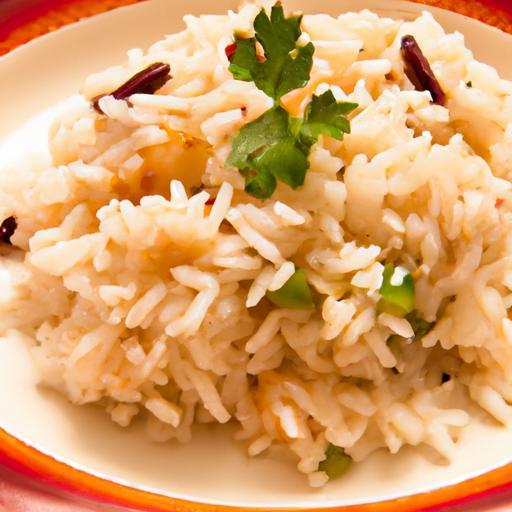

There’s nothing quite as comforting as a perfectly cooked bowl of fluffy rice-each grain tender, separate, and bursting with subtle, natural sweetness. Yet, achieving that ideal texture on the stovetop can feel like chasing a culinary unicorn. Too much water, and you’re left with mush; too little, and the rice turns dry and undercooked. But fear not! In this ultimate stovetop guide, we’ll unlock the secrets behind mastering fluffy rice every single time. From choosing the right rice variety to precise water ratios and cooking techniques, get ready to transform your stovetop into a rice-cooking haven where every pot promises a cloud-like, mouthwatering result. Say goodbye to guesswork and hello to your new favorite kitchen ritual!
Understanding Rice Varieties and Their Impact on Fluffiness
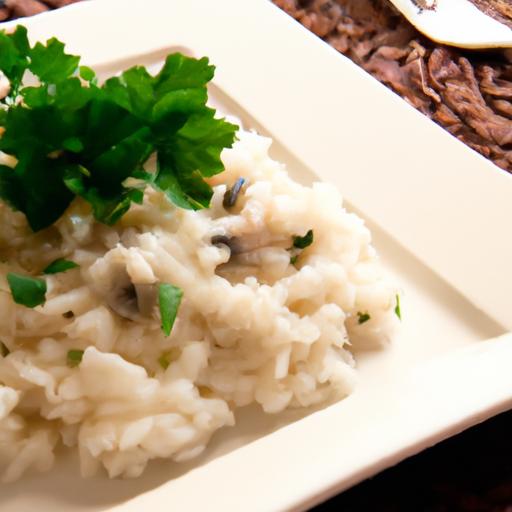
Mastering fluffy rice begins with recognizing how different rice varieties uniquely affect texture and fluffiness. Long-grain varieties like basmati and jasmine rice are prized for their slender grains that remain separate and airy after cooking. Medium and short grains, such as sushi rice or arborio, have higher starch content that creates a stickier, creamier finish, better suited for risottos or sushi rather than fluffy, light rice.
When your goal is perfectly fluffy rice, opting for long-grain white rice is a tried-and-true choice. These grains boast less surface starch, so they cook up tender without clumping. Parboiled rice also offers a firmer, drier texture by preserving some nutrients and gelatinizing starch during processing – another excellent option if you prefer grains that stay distinct.
Perfecting Water Ratios for Ideal Texture Every Time
The key to fluffy rice lies not only in the variety but mastering how much water you use. While the general rule of thumb for stovetop cooking is a 1:2 ratio (one cup rice to two cups water), this varies depending on rice type and even brand. For instance, basmati demands slightly less water, about 1.5 cups per cup of rice, to prevent sogginess.
Consider soaking long-grain rice for 20-30 minutes prior to cooking. This both reduces cooking time and ensures a more evenly hydrated grain, enhancing fluffiness. Additionally, rinsing rice thoroughly under cold water until the runoff is clear removes excess surface starch that causes clumping.
Step by Step Stovetop Techniques to Achieve Light and Fluffy Rice
- Rinse and soak: Rinse 1 cup of your chosen long-grain rice in cold water until it runs clear, then soak for 20-30 minutes. Drain thoroughly.
- Toast the rice: In a medium saucepan, heat 1 tablespoon of neutral oil over medium heat. Add the drained rice and gently sauté for 2-3 minutes, stirring often, to lightly toast and coat grains in oil.
- Add water and salt: Pour 1.5 to 1.75 cups of water and a pinch of salt (about ½ teaspoon) into the pot. Stir briefly to combine but avoid disrupting the rice too much.
- Bring to a boil: Increase heat to high and watch carefully. Once water boils, immediately reduce heat to the lowest simmer to cook gently without breaking grains.
- Cover and cook: Place a tight-fitting lid on the pot. Simmer without lifting the lid for exactly 15 minutes. Avoid stirring or peeking to retain steam essential for fluffiness.
- Rest with lid on: Remove from heat and keep the lid on for 10 minutes to allow residual steam to evenly finish the cooking process.
- Fluff and serve: Use a fork to gently separate the grains. Fluffing with a fork aerates rice, lifting grains to that perfect, light texture.
Troubleshooting Common Rice Cooking Mistakes and How to Fix Them
Even simple stovetop rice can challenge cooks. Here are some common roadblocks and quick fixes to keep you on track:
- Mushy or sticky rice: Most often caused by too much water or overcooking. Next attempt, reduce water by 10-15% and shorten cooking time slightly.
- Undercooked or crunchy grains: Insufficient water or heat being too low. For stubborn grains, sprinkle a tablespoon of water, cover, and steam gently for an additional 5 minutes off heat.
- Burnt bottom or scorched pan: Heat was too high during simmer or uncovered. Always use a snug lid and the lowest simmer setting to avoid hot spots.
- Clumpy, gummy rice: Often from rinsing too lightly or skipping the rinse altogether. Wash rice thoroughly to remove excess starch, yielding separated, fluffy grains.
Prep and Cook Time
- Prep time: 30 minutes (includes soaking and rinsing)
- Cook time: 25 minutes
- Total time: 55 minutes
Yield
- Serves 4 generously
Difficulty Level
- Easy – perfect for beginners and seasoned cooks alike
Ingredients
- 1 cup long-grain white rice (basmati preferred), rinsed and soaked
- 1.5 to 1.75 cups water (adjust based on rice type)
- 1 tablespoon neutral oil (vegetable or canola)
- ½ teaspoon salt (optional but recommended for flavor)
Chef’s Notes & Tips for Success
- Swap water for broth: For added depth, substitute water with vegetable or chicken broth.
- Try the ice cube trick: Placing a single ice cube under the lid during cooking slows steam loss for evenly cooked grains.
- Make ahead: Leftover fluffy rice reheats beautifully in a skillet with a splash of water or broth, covered until warmed through.
- Storage: Cool cooked rice quickly, then refrigerate in an airtight container for up to 4 days.
- Use a heavy-bottomed pot: This prevents scorching and distributes heat evenly.
Serving Suggestions
Fluffy rice is a versatile canvas:
- Pair with vibrant curries or stir-fries to soak up rich sauces.
- Garnish with freshly chopped herbs like cilantro or parsley for color and freshness.
- Add toasted nuts or seeds for delightful texture contrast.
- Serve with a squeeze of lime or a sprinkle of fried shallots for an elevated finish.
| Nutrient | Per Serving (1/4 recipe) |
|---|---|
| Calories | 180 kcal |
| Protein | 4 g |
| Carbohydrates | 38 g |
| Fat | 2 g |
Learn more cooking techniques at Bon Appétit.
Explore our comprehensive guide on best rice cooking techniques to deepen your mastery and spice up your meals.

Q&A
Q: Why is achieving fluffy rice on the stovetop so challenging?
A: Fluffy rice requires the perfect balance of water, heat, and timing. Too much water or heat can make rice mushy or sticky, while too little can leave it undercooked or hard. The challenge is to find a method that allows the grains to absorb just enough moisture and steam gently until tender and separate.
Q: What type of rice is best for fluffy stovetop cooking?
A: Long-grain rice varieties, like basmati or jasmine, are ideal for fluffy results. Their grains remain separate and less sticky when cooked properly. Medium-grain types can also work but usually yield a creamier texture.
Q: How much water should I use for perfectly fluffy stovetop rice?
A: A common ratio for long-grain white rice is 1 cup of rice to 1.5 to 1.75 cups of water. However, this can vary slightly depending on the rice type and altitude. Using a tight-fitting lid helps trap steam, preventing excess evaporation and ensuring the rice cooks evenly.
Q: What step is most crucial right after the rice finishes cooking?
A: Letting the rice rest, covered, off the heat for about 10 minutes is key. This allows the grains to firm up and any excess moisture to redistribute, enhancing fluffiness and preventing clumping.
Q: Can rinsing rice before cooking affect fluffiness?
A: Absolutely! Rinsing rice under cold water removes surface starch, which can cause grains to clump. A few rinses until the water runs clear help ensure light, separated grains once cooked.
Q: Is it important to keep the lid on while rice cooks on the stove?
A: Yes, keeping the lid snugly on traps steam inside the pot, cooking the rice evenly and gently. Lifting the lid releases steam and can disrupt cooking, leading to uneven texture.
Q: How can I revive rice that’s turned out sticky or mushy?
A: Spread the rice on a baking sheet and let it cool slightly, then fluff gently with a fork. You can also briefly sauté it in a hot, dry pan to help dry excess moisture while separating the grains.
Q: What’s the best way to fluff rice after cooking?
A: Gently fluff the rice with a fork rather than stirring vigorously with a spoon. This lifts and separates grains without breaking them, preserving that airy texture.
Q: Can I add flavor during stovetop cooking without compromising fluffiness?
A: Yes! Use aromatic ingredients like bay leaves, cardamom pods, or a gentle pinch of saffron. Adding these to the cooking water infuses subtle flavor without altering the rice’s fluffy texture. Avoid stirring the rice once it begins cooking to keep grains intact.
Q: How does altitude impact stovetop rice cooking?
A: At higher elevations, water boils at a lower temperature, which can affect cooking time and water absorption. You might need to increase cooking time slightly or add a splash more water to achieve the perfect fluffy texture.
Wrapping Up
Whether you’re a seasoned home cook or a curious beginner, mastering fluffy rice on the stovetop is a game-changer that elevates countless meals from simple to spectacular. With the right techniques, a little patience, and the tips shared in this guide, you’ll transform humble grains into a cloud of perfect texture every time. So go ahead, embrace the rhythm of stovetop cooking, and let your confidence simmer alongside your pot-because the perfect bowl of fluffy rice is more than a side dish; it’s the foundation of culinary success. Happy cooking!