

There’s something undeniably magnetic about the sizzle of duck breast hitting a hot pan-the promise of rich, succulent meat beneath a perfectly crisp, golden skin. Mastering the art of perfectly pan-seared duck breast is more than just a cooking technique; it’s a culinary rite of passage that elevates a simple bird into a dish worthy of celebration. Whether you’re a seasoned home chef or an adventurous foodie looking to impress, unlocking the secrets to this delicate balance of texture and flavor will forever transform your kitchen repertoire. Join us as we dive into the science, the technique, and the subtle nuances that turn an ordinary piece of duck into a crispy, juicy masterpiece.
Selecting Premium Duck Breasts for Ultimate Flavor and Texture
Mastering the Art of Perfectly Pan-Seared Duck Breast begins with choosing the finest duck breasts, which truly sets the foundation for a dish bursting with rich, succulent flavor and an enticing contrast of textures. Opt for fresh, boneless duck breasts with a thick, even layer of skin-ideally from heritage breeds such as Pekin or Muscovy known for their robust taste and tender meat. Look for breasts that boast a vibrant ruby-red hue and firm flesh; these traits indicate freshness and promise a juicy interior post-cooking. Avoid any with discoloration or excessive blemishes on the skin. The skin-to-meat ratio also matters-too little skin means losing the coveted crispy golden crust, while too much may overpower the dish. Sourcing from trusted local farms or specialty butchers ensures that your duck breasts carry superior quality and ethical rearing standards, directly impacting the depth of flavor you’ll savor after searing.
Preparing the Duck Breast for a Crispy Golden Skin and Juicy Interior
Preparation is the secret to marrying a crackling, golden skin with a tender and juicy center, the hallmark of expertly pan-seared duck breast. Begin by gently patting the duck breasts dry using paper towels-moisture is the enemy of crispiness. Next, score the skin in a precise crosshatch pattern, making shallow cuts about ¼ inch apart, careful not to pierce into the meat. This technique helps the fat render evenly while enhancing the skin’s texture. Season liberally with coarse salt and cracked black pepper-salt not only amplifies flavor but also aids in drawing excess moisture away from the skin. Let the breasts rest at room temperature for 15-20 minutes before cooking, allowing even heat penetration and minimizing temperature shock in the pan.
Mastering Heat Control Techniques for Even Cooking and Stunning Presentation
Controlled heat is your ally for stunning pan-seared duck breast. Start cooking skin-side down in a cold, dry skillet to coax the fat out gradually. This low-and-slow method allows the skin to crisp without burning while bubbling and rendering golden droplets of fat. As the skin crisps and turns an inviting amber color-around 8-12 minutes-monitor the heat carefully, adjusting it to maintain a steady sizzle but never a roar. Flip the duck gently to sear the meat side for just 2-3 minutes, preserving a rosy, juicy interior. Using an instant-read thermometer, pull the breasts at 135°F for medium-rare, ensuring that they rest for 5 minutes under loose foil; the residual heat will beautifully finish the cooking while redistributing juices. This meticulous heat choreography elevates both texture and visual appeal, showcasing perfectly wrought cuts that invite admiration even before the first bite.
Finishing Touches and Flavor Pairings to Elevate Your Pan-Seared Duck Breast
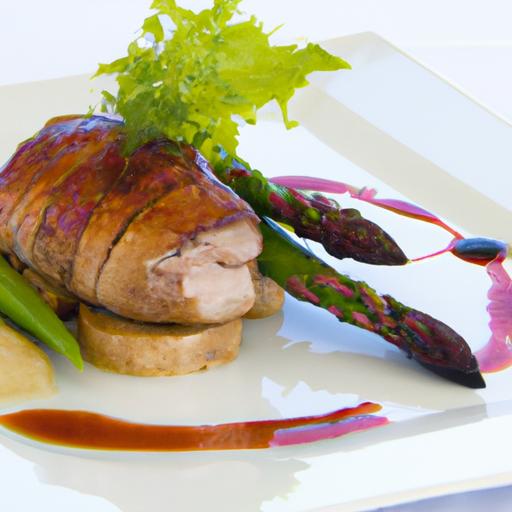
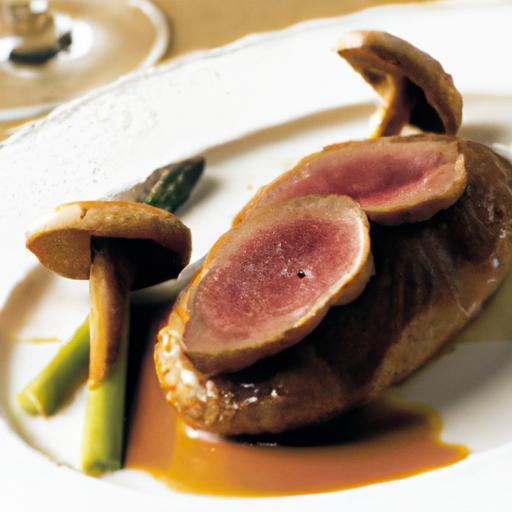
The magic of your pan-seared duck breast reaches its pinnacle with thoughtful finishing touches and complementary flavors. After resting, slice the breasts against the grain to reveal a sumptuous blush of pink, glistening with rendered juices. Consider a drizzle of tangy fruit reductions-such as pomegranate molasses or a fresh orange-ginger glaze-to contrast the savory richness beautifully. Fresh herbs like thyme or rosemary add aromatic notes and visual allure, while sautéed wild mushrooms or toasted hazelnuts lend an earthy, nutty dimension. Serving alongside creamy celeriac purée or a crisp frisée salad with sherry vinaigrette balances richness with a fresh crunch. Each element harmonizes, transforming a simple pan-seared duck breast into an unforgettable culinary masterpiece that delights the eye and palate.
Prep and Cook Time
- Preparation Time: 25 minutes
- Cooking Time: 15 minutes
- Total Time: 40 minutes
Yield
Serves 2 elegant portions
Difficulty Level
Medium – perfect for cooks ready to elevate their pan-searing technique
Ingredients
- 2 boneless duck breasts, skin on (6-7 oz each)
- 1 tsp coarse sea salt
- ½ tsp freshly cracked black pepper
- 1 tbsp neutral oil (e.g., grapeseed or avocado oil)
- 1 sprig fresh thyme (optional)
- 1 tsp butter (for finishing)
- For the sauce: ½ cup pomegranate juice, 1 tbsp honey, 1 tbsp balsamic vinegar
Instructions
- Score the skin of each duck breast in a ¼ inch crosshatch pattern using a sharp knife, careful to avoid cutting into the meat.
- Pat dry the duck breasts with paper towels to remove excess moisture; season evenly with salt and black pepper.
- Bring to room temperature for 15-20 minutes to ensure even cooking.
- Preheat a skillet over medium-low heat until warm but not smoking; add the duck breasts skin-side down without any oil to help render the fat slowly.
- Cook skin-side down for 8-12 minutes, adjusting heat to maintain a gentle sizzle, until skin is golden and crispy. Spoon rendered fat from the pan into a small bowl for later use.
- Flip the breasts and sear the meat side for 2-3 minutes or until an instant-read thermometer reads 135°F for medium-rare.
- Remove duck breasts and rest covered loosely in foil for 5 minutes.
- Prepare the sauce: In the same skillet, discard excess fat leaving about 1 tbsp. Add pomegranate juice, honey, and balsamic vinegar. Simmer until thickened, about 5 minutes.
- Slice the duck against the grain into thin medallions, arrange on plates, and drizzle with pomegranate glaze.
- Garnish with fresh thyme and a dollop of butter melted over the warm duck for a silky finish.
Tips for Success
- Allow the duck to rest fully to let juices redistribute-this is key to avoiding dryness.
- If the skin is not crisping sufficiently, increase heat slightly but watch carefully to prevent burning.
- Use an instant-read thermometer for precision cooking-duck breast is best enjoyed medium-rare to medium for optimal tenderness.
- Rendered duck fat can be saved and used for roasting potatoes or sautéing vegetables for a flavorful twist.
- For a citrusy variation, substitute orange juice for pomegranate in the sauce with a splash of grated ginger for extra warmth.
Serving Suggestions
Present your sliced pan-seared duck breast atop a cloud of creamy celery root purée or alongside roasted seasonal root vegetables. A crisp frisée or watercress salad dressed with a light lemon vinaigrette offers a refreshing counterpoint. Finish with scattered toasted hazelnuts or pomegranate seeds for color and crunch. This dish shines best served warm on elegant dinner plates, garnished with fresh herbs to accentuate its rustic yet refined character.
| Nutritional Info (per serving) | Amount |
|---|---|
| Calories | 450 kcal |
| Protein | 35 g |
| Carbohydrates | 8 g |
| Fat | 30 g |
Explore complementary sauces for game meats and for deeper insights on duck nutrition, visit the NutritionValue.org duck meat profile.

Q&A
Q&A: Mastering the Art of Perfectly Pan-Seared Duck Breast
Q1: What makes duck breast different from other poultry when it comes to pan-searing?
A1: Duck breast boasts a thick layer of rich, flavorful fat beneath its skin, unlike most poultry. This fat renders beautifully during pan-searing, creating a crisp, golden skin and succulent, tender meat. The key is in balancing the crispy exterior without overcooking the rosy interior.
Q2: How should I prepare the duck breast before cooking?
A2: Start by scoring the skin in a crosshatch pattern without cutting into the meat – this helps the fat render evenly and prevents the breast from curling. Pat the duck dry thoroughly, then season generously with salt and pepper. Resting the duck at room temperature for 15-20 minutes helps it cook more evenly.
Q3: What pan and oil should I use for pan-searing duck breast?
A3: A heavy-bottomed skillet, like cast iron or stainless steel, is ideal for consistent heat distribution. Since duck renders a lot of its own fat, you don’t need to add extra oil. Start the breast skin-side down in a cold pan to gradually render the fat and achieve a golden crust.
Q4: What’s the best technique for cooking duck breast skin-side down?
A4: Place the duck breast in a cold pan with the skin side down and cook over medium-low heat. This slow start allows the fat to melt away gently and the skin to crisp without burning. It usually takes 8-12 minutes – look for a deep golden color and a lusciously crispy texture.
Q5: When should I flip the duck breast, and how long should it cook on the meat side?
A5: Flip the breast once the skin is beautifully crisped and the fat is rendered. Sear the meat side for another 3-5 minutes, aiming for medium-rare or medium doneness. Use a meat thermometer if you like precision – 135°F (57°C) is a great target for medium-rare.
Q6: How do I rest the duck breast after cooking, and why is it important?
A6: Rest the duck breast on a cutting board for at least 5-10 minutes. This lets the juices redistribute, ensuring each bite is juicy rather than dry. Tent it loosely with foil to keep warm while resting.
Q7: What flavors pair well with pan-seared duck breast?
A7: Duck’s rich, gamey flavor loves complementary elements like citrus (orange, lemon), tart berries (cranberries, cherries), hearty root vegetables, and fragrant herbs such as thyme, rosemary, or sage. A touch of sweetness, acidity, or earthiness can elevate the dish beautifully.
Q8: Can I prepare pan-seared duck breast ahead of time?
A8: You can cook the breast in advance but avoid serving it right away as crispy skin loses its magic when it cools. Instead, reheat gently in a hot pan skin-side down to revive the crispiness just before serving.
Q9: Are there common mistakes to avoid when pan-searing duck breast?
A9: Yes! Avoid high heat at the start, as it can burn the skin before the fat renders. Don’t prick the skin – piercing causes loss of precious fat. Also, skipping the resting time leads to dry meat, so don’t rush that step.
Q10: What’s the secret to achieving perfectly pink and tender duck breast every time?
A10: Patience and careful temperature control. Slow and steady rendering of the skin fat, followed by a precise sear on the meat side, plus resting time, keeps the breast tender and perfect. A touch of practice and attention to these details transforms duck breast from intimidating to irresistible.
Future Outlook
As you close the chapter on your journey to mastering the art of perfectly pan-seared duck breast, remember that true culinary finesse lies not just in technique, but in the mindful dance between heat, timing, and intuition. Each crispy, golden crackle of the skin and each tender, succulent slice is a testament to patience and practice. With these insights in hand, your kitchen is now a stage where duck breast becomes a canvas-ready to be transformed into a masterpiece that delights the senses and honors tradition. So go forth, sear with confidence, and let every meal be a delicious celebration of your newfound expertise.