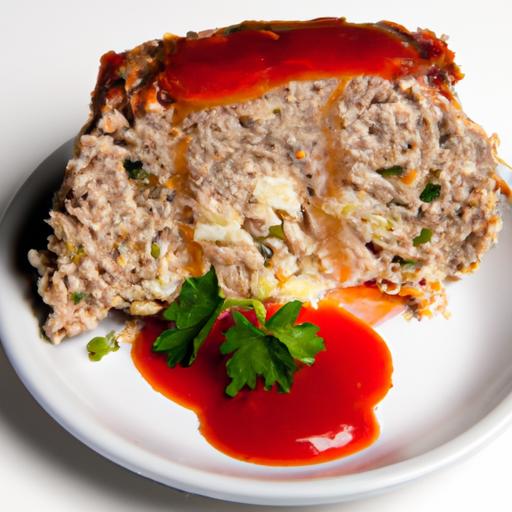

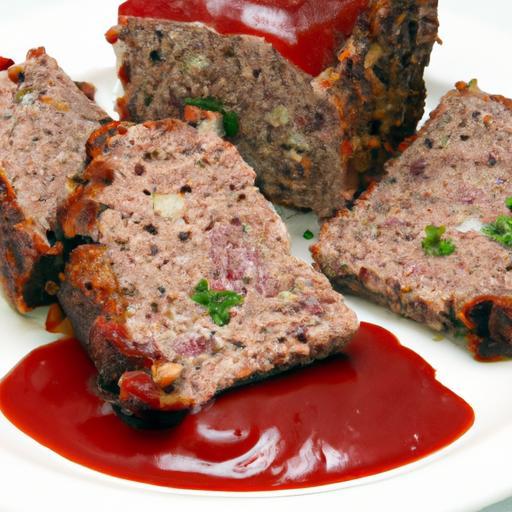

There’s something enchanting about the humble meatloaf-a dish that has woven itself into the fabric of family dinners, potlucks, and cozy nights at home. More than just a blend of ground meat and seasoning, meatloaf carries a nostalgic charm that transcends generations, conjuring memories of warmth, care, and hearty satisfaction. In this exploration of “Meatloaf Magic: The Timeless Comfort Dish Uncovered,” we delve into the origins, variations, and enduring appeal of this culinary classic. From its practical beginnings to its rise as a beloved comfort food icon, discover how meatloaf continues to captivate palates and hearts alike with its simple yet soulful presence at the dinner table.
Meatloaf Magic has long been synonymous with hearty comfort and nostalgic flavors that bridge generations. Originating in Europe and evolving through American kitchens for over a century, this dish embodies ingenuity-turning simple ingredients into a satisfying, aromatic loaf that warms both heart and home. My first encounter was in my grandmother’s quaint kitchen, where the aromas of sautéed onions mingled with fresh herbs, creating a cozy anticipation. Over time, I’ve explored and perfected this classic, crafting a recipe that stays true to its roots yet embraces contemporary flavors and techniques.
Prep and Cook Time
- Preparation: 20 minutes
- Cooking: 1 hour
- Total Time: 1 hour 20 minutes
Yield
Serves 6 hearty portions
Difficulty Level
Easy – approachable for any home cook
Ingredients
- 1 1/2 pounds ground beef (preferably 80% lean for juiciness)
- 1/2 cup finely diced onion
- 1/2 cup panko breadcrumbs
- 1/3 cup whole milk
- 1 large egg, beaten
- 2 cloves garlic, minced
- 1/4 cup fresh parsley, chopped
- 1 teaspoon dried oregano
- 1 teaspoon smoked paprika
- 1 teaspoon sea salt
- 1/2 teaspoon freshly ground black pepper
- 3/4 cup homemade or store-bought tomato sauce (for glaze)
- 2 tablespoons Dijon mustard
- 1 tablespoon honey or maple syrup
Instructions
- Preheat the oven to 350°F (175°C). Line a baking tray with parchment paper or lightly grease a loaf pan.
- Soak the breadcrumbs in milk for 5 minutes until fully absorbed and soft-this keeps the meatloaf moist.
- Sauté the diced onion and minced garlic over medium heat in a small skillet until translucent and fragrant, about 5 minutes. Stir occasionally to prevent burning.
- In a large bowl, combine the ground beef, soaked breadcrumbs, sautéed onion and garlic, beaten egg, parsley, oregano, smoked paprika, salt, and pepper. Gently mix with your hands or a spatula until just combined-avoid overmixing to keep it tender.
- Shape the mixture into a uniform loaf and place it on the prepared tray or into the loaf pan. Press lightly to smooth the top.
- Mix the tomato sauce, Dijon mustard, and honey in a small bowl to create the glaze. Brush half over the meatloaf evenly, reserving the rest for later.
- Bake for 45 minutes, then brush the remaining glaze on top and continue baking for an additional 15 minutes or until the internal temperature reaches 160°F (71°C).
- Remove from the oven and let it rest for 10 minutes before slicing-this step locks in juices and helps slices hold their shape beautifully.
Tips for Success
- Meat Selection: Using 80% lean beef balances flavor and moisture perfectly. For a leaner option, add a splash of olive oil.
- Breadcrumb Variations: Try crushed crackers or oat flakes for a different texture.
- Herb Enhancements: Fresh thyme or rosemary adds an aromatic depth when stirring into the mix.
- Make-Ahead: Assemble the loaf the night before, wrap tightly, and refrigerate to deepen flavors. Bake fresh before serving.
- Glaze Creativity: Swap honey for pureed chipotle in adobo for a smoky spice, or use a tangy balsamic glaze to elevate sophistication.
Serving Suggestions
Plate the meatloaf slices alongside creamy mashed potatoes or buttery roasted root vegetables for a nostalgic, satisfying meal. A crisp, bright salad with arugula, cherry tomatoes, and a lemon vinaigrette cuts through the richness with refreshing acidity. Garnish each slice with a sprig of fresh parsley or chives for a vibrant finishing touch. For an extra layer of indulgence, drizzle pan juices or a light mushroom gravy over the top.
| Nutrient | Per Serving |
|---|---|
| Calories | 350 kcal |
| Protein | 28 g |
| Carbohydrates | 12 g |
| Fat | 18 g |
Discover more comforting classics like this beef stew and visit The Academy of Nutrition and Dietetics for expert insights on balanced meals.

Q&A
Q&A: Meatloaf Magic – The Timeless Comfort Dish Uncovered
Q1: What makes meatloaf a classic comfort food that has stood the test of time?
A1: Meatloaf’s enduring appeal comes from its hearty, nostalgic qualities and its ability to transform simple ingredients into a satisfying, warm meal. Its blend of ground meat, savory seasonings, and a luscious glaze creates a harmony of flavors that evoke cozy, home-cooked memories. The dish embodies comfort by being both filling and flexible, able to accommodate a variety of tastes and traditions.
Q2: Which types of meat work best for crafting a delicious meatloaf?
A2: Ground beef is the classic choice for meatloaf, prized for its rich flavor and texture. However, other ground meats like turkey, chicken, or even a combination of beef and lamb can add unique depths of flavor while keeping the dish moist and tender. The key is balancing fat content to ensure the meatloaf remains juicy rather than dry.
Q3: How do breadcrumbs and milk contribute to the perfect meatloaf texture?
A3: Breadcrumbs act as a binder, helping the meat hold its shape without becoming too dense. When soaked in milk, they add moisture and tenderness, creating a velvety texture inside the meatloaf. This simple ingredient duo is what prevents the meatloaf from feeling heavy or crumbly.
Q4: What role do vegetables play in elevating a meatloaf recipe?
A4: Vegetables like finely chopped onions, carrots, or bell peppers introduce layers of flavor, sweetness, and crunch that complement the meat’s richness. They add nutritional value, moisture, and complexity, turning meatloaf into a more vibrant and balanced dish while maintaining its comforting essence.
Q5: Can you explain the importance of the topping or glaze on meatloaf?
A5: The glaze on a meatloaf acts like a flavorful crust, sealing in moisture and adding a tangy or sweet accent that contrasts with the savory meat. Traditional glazes often feature tomato-based ingredients mixed with a bit of sweetness and acidity, enhancing both the look and taste of the finished dish.
Q6: What cooking tips can help avoid a dry meatloaf?
A6: To keep meatloaf juicy, avoid overmixing the meat mixture, as this can make it tough. Use a combination of meats with enough fat and add moist ingredients like soaked breadcrumbs or grated vegetables. Baking the meatloaf in a moderate oven and allowing it to rest before slicing also helps retain juices.
Q7: How can one customize meatloaf to suit different dietary preferences or flavor profiles?
A7: Meatloaf is remarkably adaptable. For a lighter option, lean ground poultry can replace beef. Experimenting with fresh herbs, spices, or adding cheese inside can personalize flavor. For those seeking a plant-forward approach, substituting part of the meat with mushrooms or lentils can maintain a meaty texture with added nutrition.
Q8: What makes serving meatloaf with classic sides so comforting?
A8: Classic sides like creamy mashed potatoes, roasted vegetables, or green beans complete the meal by providing balance both in flavor and texture. These familiar accompaniments amplify the homely, satisfying feeling of meatloaf, making the experience as comforting as the dish itself.
Q9: Why is meatloaf considered an ideal dish for meal prep or leftovers?
A9: Once cooked, meatloaf slices reheat beautifully without losing moisture or flavor, making it perfect for packed lunches or quick dinners. The flavors often deepen overnight, revealing even richer tastes the next day-a secret to enjoying meatloaf beyond the initial serving.
Q10: How has meatloaf evolved while preserving its traditional roots?
A10: Over the decades, meatloaf has embraced regional ingredients and contemporary twists, from adding diverse herbs to working with different meats and toppings. Yet, its fundamental character-a wholesome, hearty loaf brimming with comfort-remains unchanged, symbolizing both culinary tradition and endless creativity.
Concluding Remarks
As the last slice of meatloaf disappears from the plate, its hearty aroma lingers-a warm reminder of a dish that has woven itself into the fabric of culinary comfort. From humble kitchen experiments to cherished family traditions, meatloaf remains a timeless icon, bridging generations with each savory bite. So whether you’re a classicist loyal to the original recipe or an adventurous cook ready to add a modern twist, meatloaf invites you to rediscover the magic in simplicity. In its nourishing layers and soulful essence, this beloved comfort food continues to prove that sometimes, the most unassuming dishes hold the greatest stories-and the deepest satisfaction.