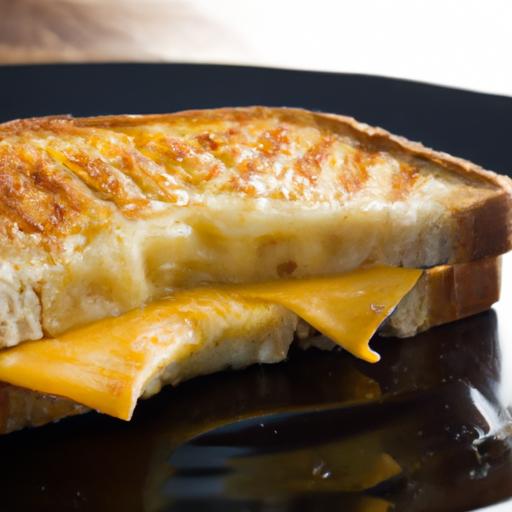

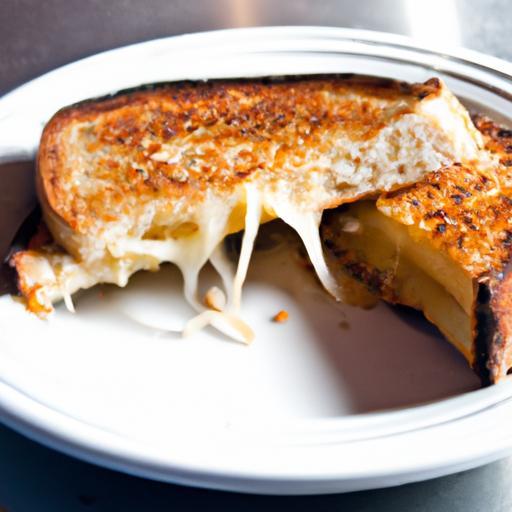

There’s something undeniably enchanting about the humble grilled cheese sandwich-a golden, butter-kissed crust encasing a river of molten, stretchy cheese that beckons with every savory bite. But behind this seemingly simple comfort food lies a fascinating dance of heat, chemistry, and artistry. Welcome to the world of “Melting Magic: The Art and Science of Perfect Grilled Cheese,” where we unravel the secrets that transform ordinary bread and cheese into an extraordinary culinary masterpiece. Whether you’re a kitchen novice or a seasoned cook, this journey will melt away your doubts and toast your skills, revealing how technique and science combine to create that irresistibly gooey, crispy harmony we all crave.
Melting Magic: The Art and Science of Perfect Grilled Cheese
Melting Magic begins the moment you hear the sizzle of butter hitting a hot skillet, the fragrant aroma of toasted bread mingling with the rich, melting cheese inside. This humble yet iconic American comfort food has roots that trace back to simple cheese sandwiches from the early 1900s, evolving through decades to become a beloved staple that transcends generations and cultures. Its culinary significance lies not only in nostalgia but also in its endless potential for flavor innovation, making it a timeless canvas for creativity in every kitchen.
Prep and Cook Time
- Preparation: 10 minutes
- Cooking: 8-10 minutes
- Total Time: 18-20 minutes
Yield
- Serves 2 generously
Difficulty Level
- Easy
Ingredients
- 4 slices of sturdy, crusty white or sourdough bread
- 4 tablespoons unsalted butter, softened
- 6 ounces sharp cheddar cheese, grated
- 4 ounces Gruyère cheese, thinly sliced
- 1 tablespoon mayonnaise (optional, for extra browning)
- Fresh cracked black pepper, to taste
Instructions
- Preheat a non-stick skillet over medium heat.
- Butter one side of each bread slice generously. If using, spread mayonnaise on the non-buttered side for superior golden crust.
- Layer the grated sharp cheddar and sliced Gruyère on the unbuttered side of two bread slices. Add freshly cracked black pepper for a subtle depth.
- Top with the remaining bread slices, butter side up, creating two sandwiches.
- Place each sandwich in the skillet. Cook for 3-4 minutes on the first side, watching closely for a perfect golden crust. Use a spatula to gently press down for even contact.
- Flip the sandwiches carefully and cook for an additional 4-5 minutes on the second side, until the cheeses melt fully and the bread is crisp and golden brown.
- Remove from heat and let rest for 1 minute to allow the cheese to set slightly for clean slicing.
- Slice diagonally and serve immediately.
Tips for Success: Mastering Melting Magic
- Cheese selection: Combining a sharp, flavorful cheddar with a creamy, melt-friendly Gruyère ensures that luscious stretchy texture and complex taste.
- Temperature control: Maintain medium heat to avoid burnt crusts and cold centers. Patience is key-rushing the process sacrifices melting perfection.
- Bread choice: Choose thick-cut artisan bread like sourdough or country white with a good crust to balance the softness of melted cheese and prevent sogginess.
- Butter & Mayonnaise: For an ultra-crisp exterior, apply softened butter generously and consider a thin layer of mayonnaise on the opposite bread side for a golden sheen enhanced by its oil content.
- Make-ahead: Assemble sandwiches but wait to cook until ready. Keep refrigerated, and bring to room temperature before grilling for evenly melted cheese.
Serving Suggestions
- Present with a small bowl of tangy tomato soup for a classic pairing.
- Garnish with fresh herbs like chopped chives or parsley to add color and fresh aroma contrast.
- Add a side of crunchy pickles or peppery arugula salad to balance the richness.
- For an indulgent touch, drizzle a bit of honey or a sprinkle of chili flakes over the top.
| Nutrient | Amount per Serving |
|---|---|
| Calories | 520 kcal |
| Protein | 24 g |
| Carbohydrates | 35 g |
| Fat | 32 g |

To explore more about how to elevate classic comfort foods, check our in-depth guide on Artisan Cheese Pairings for Home Cooks. For scientific insight into cheese meltability and texture, this journal study on cheese melting properties is a fascinating read.
Q&A
Q&A: Melting Magic: The Art and Science of Perfect Grilled Cheese
Q1: What makes a grilled cheese sandwich more than just melted cheese between bread?
A1: The perfect grilled cheese is a harmonious dance between creamy, molten cheese and golden, crispy bread. It’s about texture contrast, flavor balance, and technique. The bread must be toasted to a delicate crunch, the cheese melted to stretchy perfection, and the heat applied just right to unify these elements without burning or drying out the sandwich.
Q2: Which types of cheese work best for achieving that ooey-gooey melt?
A2: Cheeses with good melting properties, such as sharp cheddar, gruyère, mozzarella, fontina, and gouda, are the stars in the grilled cheese arena. Combining cheeses-like a sharp cheddar with a creamy fontina-can create a complex flavor and ideal texture, where one cheese melts smoothly while the other adds depth.
Q3: How does the bread influence the grilled cheese experience?
A3: Bread is the canvas for your melted masterpiece. A sturdy, slightly airy bread like sourdough or a rustic country loaf provides enough structure to hold the cheese without collapsing. Additionally, the crust-to-crumb ratio, thickness of the slices, and the bread’s ability to crisp while remaining tender inside directly impact the sandwich’s final bite.
Q4: What is the secret to achieving a perfect golden crust without burning the bread?
A4: Low and slow is the mantra. Cooking over medium-low heat allows the cheese inside to melt thoroughly while giving the bread time to develop a crunchy, golden crust. Buttering the bread generously or brushing melted butter on the outside helps with browning and creates that irresistible shimmer.
Q5: Can any cooking techniques elevate grilled cheese beyond the ordinary?
A5: Absolutely! Pressing the sandwich gently with a spatula or weight helps compact the bread and cheese for even melting. Using a lid on the pan traps heat, speeding melting without increasing the heat. For a gourmet twist, adding herbs or a thin layer of mustard inside can elevate flavors without overwhelming the cheese.
Q6: Why do some grilled cheese sandwiches end up greasy or soggy, and how can that be avoided?
A6: Greasiness often results from over-buttering or using oils with low smoke points, while sogginess can arise if moisture is trapped inside. To avoid this, apply butter evenly, avoid excessive amounts, and ensure the bread is toasted thoroughly before the cheese fully melts. Also, pat any moist ingredients dry if added, and don’t overcrowd the sandwich filling.
Q7: How important is the ratio of cheese to bread, and what balance works best?
A7: Balance is key! Too little cheese results in dryness and lack of that luscious melt, while too much can cause the sandwich to spill or become heavy and greasy. A good rule is enough cheese to generously cover the bread but not so thick that it overwhelms the crisp bread structure-usually two to three slices or about 2-3 ounces works well per sandwich.
Q8: Could the type of fat used to cook the sandwich affect flavor and texture?
A8: Yes! Butter is classic for its flavor and browning qualities, creating a rich, nutty crust. However, clarified butter or a blend of butter and a neutral oil can provide higher smoke points, making it easier to cook low and slow without burning. Experimenting with infused butters or even a touch of high-quality olive oil can also add unique nuances.
Q9: Is there a science behind why some grilled cheeses melt better than others?
A9: Cheese meltability depends on moisture, fat content, and acidity. High-moisture, high-fat cheeses melt smoothly; acid levels influence how proteins coagulate upon heating. Fresh cheeses like mozzarella melt beautifully, while aged, dryer cheeses may resist melting fully. Understanding the chemistry allows creators to mix cheeses for the perfect melt and flavor.
Q10: How can one customize grilled cheese for a creative twist while preserving the essential ‘melting magic’?
A10: Building on the fundamentals, add-ins like caramelized onions, sautéed mushrooms, or fresh herbs inject flavor without overpowering cheese. Using flavored cheeses, a sprinkle of spices, or a thin spread of tangy condiments maintains the melty core while exploring new taste dimensions. The key is restraint-allow the cheese to shine as the sandwich’s heart.
Insights and Conclusions
As the final golden bite lingers on your palate, you realize that the perfect grilled cheese is much more than a childhood comfort-it’s a harmonious dance between science and artistry. From selecting the ideal bread and the alchemy of melting cheeses to mastering the precise heat and timing, each element plays a crucial role in crafting that coveted crispy, gooey masterpiece. So next time you hear the sizzle and smell that inviting aroma, remember: you’re not just making a sandwich-you’re creating a melting magic moment, one grilled cheese at a time.