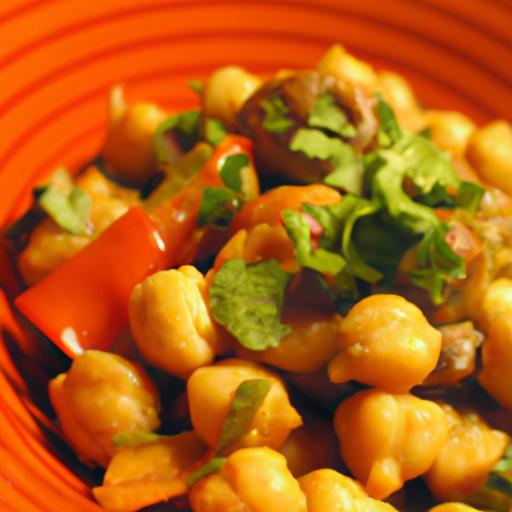

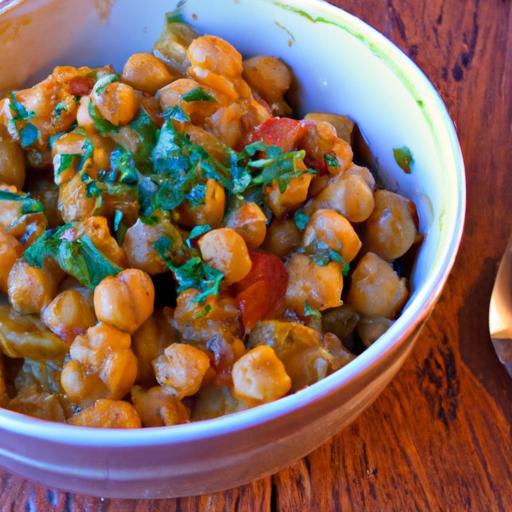

In the heart of North Africa, where ancient spices dance with vibrant flavors, a humble dish tells a story of tradition, warmth, and nourishment, the hearty Moroccan chickpea stew. This beloved classic, simmered to perfection with tender chickpeas, fragrant herbs, and a symphony of spices, offers more than just a meal; it’s a celebration of culture and comfort in every spoonful.
Whether served alongside fluffy couscous or enjoyed on its own, this stew embodies the rich culinary heritage of Morocco, inviting you to explore a world where wholesome ingredients come alive with bold, unforgettable taste. Join us as we dive into the secrets and history behind this flavorful North African treasure.
Origins and Cultural Significance of Moroccan Chickpea Stew
Hearty Moroccan Chickpea Stew is more than just a comforting meal, it’s a culinary journey into the vibrant heart of North African heritage. Rooted in Morocco’s rich tapestry of Berber, Arab, and Mediterranean influences, this stew captures the essence of communal feasting and seasonal abundance. Traditionally simmered in a tagine or heavy pot, the dish has sustained families through cool evenings while boasting layers of warmth from fragrant spices. I’ve fondly discovered that each simmer reveals a deeper story, inspiring home cooks worldwide to connect with Moroccan traditions through this humble, nourishing stew.
Prep and Cook Time
- Preparation: 15 minutes
- Cooking: 1 hour 30 minutes
- Total Time: 1 hour 45 minutes
Yield
- Serves 6 hearty portions
Difficulty Level
- Medium – Perfect for home cooks ready to deepen their spice repertoire
Key Ingredients That Define the Richness and Warmth
- 2 cups cooked chickpeas (or 1 ½ cups dried, soaked overnight)
- 3 tbsp extra virgin olive oil
- 1 large onion, finely chopped
- 3 garlic cloves, minced
- 1-inch piece fresh ginger, grated
- 2 medium carrots, sliced
- 1 large ripe tomato, peeled and diced
- 4 cups vegetable broth
- 1 tsp ground cumin
- 1 tsp ground coriander
- 1 tsp smoked paprika
- ½ tsp turmeric powder
- ½ tsp cinnamon
- ¼ tsp cayenne pepper (optional, adjust for spice)
- Salt and cracked black pepper to taste
- Fresh cilantro and flat-leaf parsley, chopped, for garnish
- Juice of ½ lemon
Step by Step Guide to Crafting the Perfect Hearty Stew
- Heat the olive oil in a large heavy-bottomed pot over medium heat. Add the onions and sauté until translucent, about 5 minutes.
- Incorporate garlic and ginger and cook for another 2 minutes until aromatic, stirring frequently to prevent burning.
- Add the carrots and diced tomato, letting them soften and meld with the spices for 5 to 7 minutes. This base builds the stew’s signature depth.
- Sprinkle in the cumin, coriander, paprika, turmeric, cinnamon, and cayenne. Toast the spices briefly, stirring vigorously to release their oils and boost flavor complexity.
- Pour in the vegetable broth, scraping up any bits stuck to the pot. Bring the mixture to a gentle boil.
- Stir in the cooked chickpeas, reduce the heat to low, and partially cover the pot. Let the stew simmer gently for 1 hour, allowing the flavors to harmonize and the sauce to thicken.
- Season with salt, pepper, and lemon juice to brighten the richness. Adjust seasoning based on personal preference.
- Remove from heat and let rest for 10 minutes before serving to enhance the melding of flavors.
Tips for Enhancing Flavor and Serving Suggestions
- Flavor Boost: For deeper umami, add a tablespoon of pureed roasted red peppers or a dash of honey to balance spices.
- Texture Variation: Stir in chopped cooked sweet potatoes or butternut squash during the last 30 minutes of simmering for added creaminess.
- Serving: Ladle the stew into warm bowls and garnish generously with fresh cilantro and parsley. Sprinkle toasted slivered almonds or crumbled preserved lemon for a traditional aromatic layer.
- Accompaniments: Serve alongside fluffy couscous, warm crusty bread, or herbed flatbreads to soak up every flavorful drop.
- Make-Ahead: This stew tastes even better the next day. Refrigerate and gently reheat, adding a splash of broth if needed.
| Nutrient | Per Serving |
|---|---|
| Calories | 320 kcal |
| Protein | 14 g |
| Carbohydrates | 40 g |
| Fat | 8 g |
For a deeper dive into Moroccan culinary treasures, explore our Comprehensive Guide to Moroccan Spices. To enhance your understanding of chickpeas’ nutritional benefits, visit the Harvard T.H. Chan School of Public Health.

Q&A
Q&A: Hearty Moroccan Chickpea Stew – A Flavorful North African Classic
Q1: What makes Moroccan Chickpea Stew a beloved dish in North African cuisine?
A1: Moroccan Chickpea Stew is cherished for its harmonious blend of aromatic spices, tender vegetables, and creamy chickpeas. It captures the essence of North African cooking with flavors like cumin, coriander, cinnamon, and preserved lemon, delivering comfort and warmth in every bite.
Q2: What are the key ingredients that define this stew’s vibrant taste?
A2: The soul of this stew lies in its fragrant spices cumin, paprika, turmeric, and a hint of cinnamon combined with garlic, onions, tomatoes, and chickpeas. Fresh herbs like cilantro or parsley and sometimes preserved lemons add a bright, tangy contrast that lifts the dish beautifully.
Q3: How can one prepare this dish to best develop its complex flavors?
A3: Slow simmering is essential. Allowing the ingredients to gently cook together enables the spices to bloom and the chickpeas to soak up the luscious, savory broth. This patient cooking method transforms simple components into a deeply satisfying stew.
Q4: Is Moroccan Chickpea Stew suitable for people following a plant-based diet?
A4: Absolutely! This hearty stew is naturally vegan and vegetarian-friendly, making it a nutritious and satisfying option that’s rich in protein and fiber, without needing any animal products.
Q5: Can this stew be customized for different tastes or dietary needs?
A5: Yes, it’s quite versatile. You can add root vegetables like carrots or sweet potatoes for added sweetness and texture, or spice it up with extra chili if you prefer heat. For a creamier texture, a dollop of tahini or a squeeze of fresh lemon juice can enhance depth and brightness.
Q6: What dishes pair well with Moroccan Chickpea Stew?
A6: This stew shines alongside fluffy couscous, warm crusty bread, or a simple side of steamed rice. It can also be complemented with a fresh cucumber and tomato salad or a refreshing mint yogurt dip to balance its rich flavors.
Q7: How can leftovers of this stew be best stored and reheated?
A7: Store any leftovers in an airtight container in the refrigerator for up to four days. When reheating, do so gently on the stove or in the microwave, adding a splash of water or broth if needed to preserve its silky consistency.
Q8: What cultural significance does this dish hold in Moroccan cuisine?
A8: Moroccan Chickpea Stew reflects the country’s tradition of communal dining and the artful use of spices and local ingredients. It’s a humble dish that showcases the warmth and hospitality of Moroccan culture, often enjoyed in family gatherings and festive occasions.
The Way Forward
As the fragrant aroma of spices lingers, it’s clear that this hearty Moroccan chickpea stew is more than just a meal, it’s a warm embrace from North Africa’s rich culinary heritage. Whether enjoyed on a chilly evening or shared with friends around the table, this stew invites you to savor the vibrant flavors and traditions that make Moroccan cuisine truly unforgettable. So next time you seek comfort and complexity in a single bowl, let this timeless classic transport your taste buds on a journey across the Mediterranean and beyond.