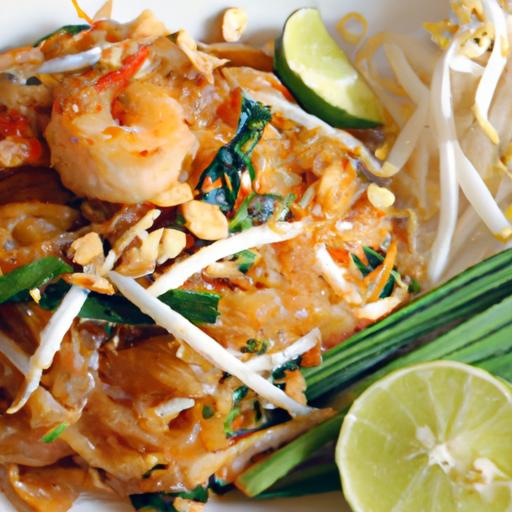

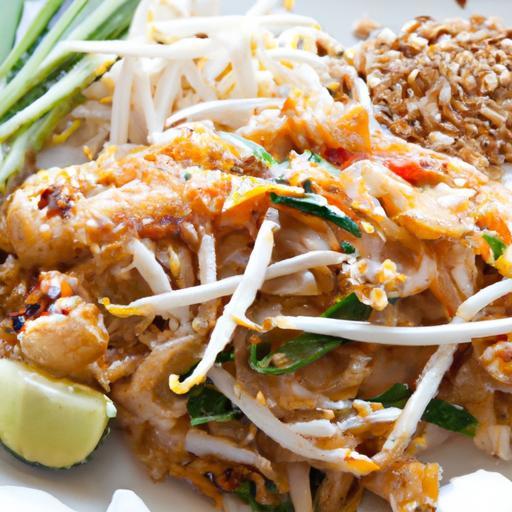

In the bustling streets of Bangkok, where scents of sizzling spices and tangy tamarind fill the air, one dish reigns supreme Pad Thai. More than just a meal, this iconic plate of stir-fried rice noodles tells a story of Thailand’s vibrant culture, rich history, and culinary ingenuity. From its humble origins as a street food staple to its place on global menus, Pad Thai captivates palates with its harmonious dance of sweet, sour, salty, and savory flavors. Join us as we embark on a flavorful journey through Thailand’s beloved dish, unraveling the secrets behind its irresistible taste and the traditions that make Pad Thai an enduring symbol of Thai cuisine.
Pad Thai Unveiled: this iconic dish tells a story not just of vibrant flavors but of Thailand’s rich culinary heritage. Rooted in street food culture, Pad Thai is a harmony of textures and tastes, from the tang of tamarind to the crunch of crushed peanuts, celebrating a perfect balance that has captivated food lovers worldwide.
Prep and Cook Time
Preparation: 15 minutes | Cooking: 20 minutes | Total Time: 35 minutes
Yield
Serves 4 generous portions
Difficulty Level
Medium – Ideal for home cooks ready to embrace authentic technique and layered flavors
Ingredients
- 8 oz (225g) rice noodles, soaked in warm water for 30 minutes, drained
- 3 tbsp tamarind paste (pure and unsweetened)
- 3 tbsp fish sauce
- 1 tbsp palm sugar, finely chopped
- 2 tbsp vegetable oil
- 3 cloves garlic, minced
- 2 large eggs, lightly beaten
- 1 cup firm tofu, cubed and pan-fried
- 1/2 cup dried shrimp (optional, for authentic umami)
- 1 cup bean sprouts, rinsed
- 2 green onions, sliced into 1-inch pieces
- 1/4 cup roasted peanuts, crushed
- 1 lime, cut into wedges
- Fresh cilantro, for garnish
- Red chili flakes, optional, for heat
Instructions
- Prepare the sauce: In a small bowl, whisk together tamarind paste, fish sauce, and palm sugar until smooth and glossy. Adjust balance a bit more sweetness or tang to your liking.
- Heat oil: In a large wok or skillet over medium-high heat, warm the vegetable oil until shimmering, then add garlic and sauté until aromatic, about 30 seconds.
- Cook tofu: Add tofu cubes and fry until all sides are golden brown and crispy, around 5 minutes. Stir gently to avoid breaking tofu.
- Scramble eggs: Push tofu to the side, pour in beaten eggs, and cook gently, stirring until just set but still tender to maintain moisture.
- Add noodles and sauce: Toss drained noodles into the wok. Immediately pour the tamarind-fish sauce mixture over noodles, stirring constantly to evenly coat and heat through (3-4 minutes).
- Incorporate dried shrimp and veggies: Stir in dried shrimp (if using), bean sprouts, and green onions. Sauté briefly, about 1-2 minutes, preserving fresh crunchiness.
- Plate with flair: Serve hot garnished with crushed peanuts, a wedge of lime, fresh cilantro, and scattered red chili flakes for those seeking extra spice.
Chef’s Notes: Tips for Success
- Noodles matter: Use flat rice noodles specifically for Pad Thai. If over-soaking, noodles may become mushy; soak just until pliable.
- Tamarind paste authenticity: Real tamarind paste is essential, avoid tamarind concentrates mixed with other juices for true tang.
- Balance flavors: Pad Thai is all about the sweet-sour-salty interplay. Taste your sauce before cooking and adjust accordingly.
- Protein options: For vegetarians, swap fish sauce for soy sauce and omit dried shrimp for a vegan-friendly twist.
- Make-ahead shortcut: Prepare the sauce and fry tofu in advance; assemble and cook noodles fresh to preserve texture.
Serving Suggestions
Present Pad Thai on a large vibrant plate to reflect its colorful essence. Garnish generously with crushed peanuts and fresh herbs to add dimension.
Offer lime wedges on the side to let diners custom-tailor brightness. Pair with a simple Thai iced tea or a chilled jasmine tea to cleanse the palate and complement spices.

Nutrition Information per Serving
| Calories | Protein | Carbohydrates | Fat |
|---|---|---|---|
| 420 kcal | 18 g | 55 g | 12 g |
For more on Thai sauces and perfect home stir-fries, explore our detailed guide on Thailand’s Flavor Secrets.
Learn about authentic tamarind usage from Serious Eats.
Q&A
Q1: What is Pad Thai and why is it considered Thailand’s iconic dish?
A1: Pad Thai is a vibrant stir-fried noodle dish that perfectly balances sweet, sour, salty, and umami flavors, making it a true reflection of Thai culinary artistry. Its widespread popularity both in Thailand and internationally has elevated it to iconic status, symbolizing the rich tapestry of Thailand’s street food culture.
Q2: How did Pad Thai originate and become so popular?
A2: Pad Thai’s origins trace back to the 1930s when it was promoted by the Thai government as a national dish to boost cultural identity and nutrition during times of rice shortages. The dish’s adaptable nature, quick cooking time, and harmonious layers of flavor helped it spread from humble street stalls to global menus.
Q3: What are the essential ingredients that create Pad Thai’s signature taste?
A3: Core ingredients include rice noodles, tamarind paste, fish sauce, palm sugar, fresh lime, dried chili flakes, eggs, and tofu or shrimp. Crunchy crushed peanuts and fresh bean sprouts add texture, while green onions and sometimes garlic infuse an aromatic brightness.
Q4: Can Pad Thai be adapted for different dietary preferences?
A4: Absolutely! Pad Thai is incredibly versatile. Vegetarians often swap shrimp for tofu and use vegetarian fish sauce substitutes or soy sauce, while vegans can omit eggs and choose plant-based seasonings. This flexibility allows the dish to maintain its bold flavors while respecting diverse diets.
Q5: What cooking techniques are key to crafting an authentic Pad Thai?
A5: The essence lies in stir-frying over high heat to develop slight charred notes, which enhances the umami depth. Timing is crucial-noodles must be tender but still springy, and ingredients combined quickly to preserve their individual textures and flavors in harmony.
Q6: How do the balance and complexity of flavors make Pad Thai stand out?
A6: Pad Thai masterfully intertwines sweet tamarind and palm sugar, tart lime juice, salty fish sauce, and spicy chili flakes, creating a symphony for the palate. This dynamic balance is what transforms simple noodles into an unforgettable culinary journey.
Q7: Why are crushed peanuts important in Pad Thai?
A7: Crushed peanuts add a delightful crunch and a nutty aroma that contrasts beautifully with the soft noodles and fresh vegetables. They elevate the dish’s texture and contribute a subtle earthiness that rounds out the bold flavors.
Q8: What role do fresh herbs and garnishes play in serving Pad Thai?
A8: Fresh herbs like cilantro or chives, bean sprouts, and lime wedges offer bursts of freshness and brightness. These garnishes allow each eater to customize the flavor profile, creating a personalized and lively eating experience.
Q9: How does Pad Thai reflect the cultural and culinary identity of Thailand?
A9: Pad Thai encapsulates Thailand’s culinary philosophy of balancing diverse flavors and textures. It tells a story of history, adaptability, and community served widely from street vendors to home kitchens binding people together through the shared joy of food.
Q10: What tips would you give to someone attempting Pad Thai at home?
A10: Start with soaking the rice noodles just right they should be pliable but not mushy. Prepare all ingredients beforehand because the stir-fry moves fast. Don’t be shy with the seasoning; balance is key, so taste and adjust. Finally, embrace the technique of high heat cooking to bring that authentic char and smokiness to your dish.
In Summary
As we close the chapter on this flavorful journey through Pad Thai, we are reminded that this iconic dish is more than just street food or a popular takeout choice it is a vibrant tapestry woven from Thailand’s history, culture, and culinary artistry. From the delicate balance of sweet, sour, salty, and spicy to the humble ingredients transformed into a symphony of taste, Pad Thai invites us to savor each bite as a story told through tradition and innovation.
So whether you’re stirring up your own wok at home or seeking the perfect plate on the bustling streets of Bangkok, remember that Pad Thai is more than a meal, it’s an experience that captures the spirit of Thailand’s rich and colorful heritage. Until your next delicious encounter, may your palate remain adventurous and your cravings ever inspired.