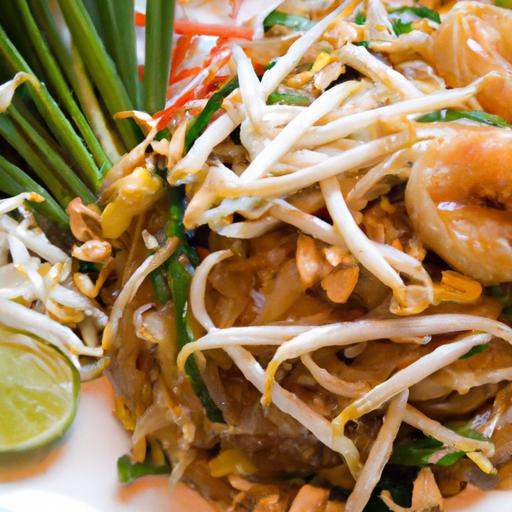

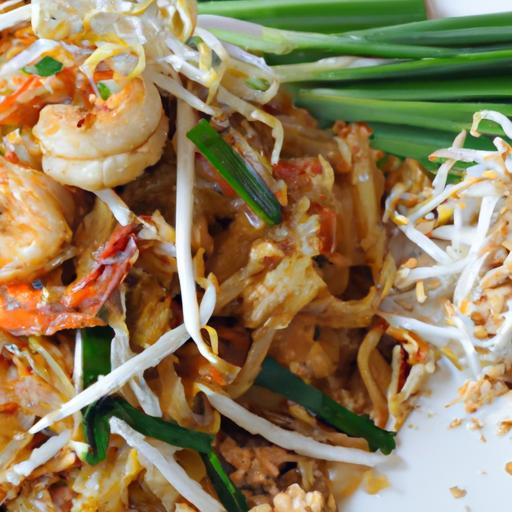

In the bustling streets of Thailand, where vibrant markets pulse with life and the air is fragrant with exotic spices, one dish stands out as a culinary icon: Pad Thai. More than just a meal, Pad Thai is a flavorful journey that captures the essence of Thailand’s rich cultural tapestry and time honored traditions. From its humble origins as a street food staple to its global acclaim, this iconic noodle dish weaves together a symphony of tastes balancing sweet, sour, salty, and savory in a way that delights every palate. Join us as we unveil the secrets behind Pad Thai, exploring its history, ingredients, and the artistry that transforms simple elements into a beloved national treasure.
Origins and Cultural Significance of Pad Thai
Pad Thai Unveiled: A Flavorful Journey into Thailand’s Iconic Dish begins by understanding the roots and heart of this beloved street food classic. Emerging in the mid-20th century as part of a national campaign to promote Thai nationalism and economic self sufficiency, Pad Thai embodies the perfect harmony of flavors that define Thailand’s culinary identity. Beyond its historical backdrop, this dish has become a unifying symbol throughout Thailand and worldwide, a true ambassador of Thai culture on plates from Bangkok street stalls to upscale dining rooms.
When you savor Pad Thai, you are tasting a vibrant blend of sweet, sour, salty, and spicy notes, masterfully balanced with fresh, crunchy vegetables, tender proteins, and chewy rice noodles. Each bite delivers a sensory story steeped in tradition and culinary craftsmanship. Its cultural significance transcends mere sustenance; it’s a dish that brings people together, representing Thailand’s inventive and resourceful spirit during challenging times.
Mastering the Balance of Flavors and Ingredients
At the core of perfect Pad Thai lies the impeccable balance of its key components: tamarind paste for tangy brightness, palm sugar for subtle sweetness, fish sauce for umami depth, and a hint of chili flakes for warmth. Achieving equilibrium among these flavors is crucial to authentically recreating the dish’s signature profile.
The use of fresh, high-quality ingredients elevates Pad Thai immensely. Rice noodles should be soft but not mushy, proteins typically shrimp and/or tofu must be tender, and garnishes like crushed peanuts and lime wedges infuse delightful texture and contrast. Incorporating aromatic elements such as garlic and green onions adds layered complexity, while the classic dried shrimp boosts the umami punch.
Essential Tips for Perfecting Your Homemade Pad Thai
Prep and Cook Time
- Preparation Time: 20 minutes
- Cook Time: 10 minutes
- Total Time: 30 minutes
Yield
- Serves 4 generous portions
Difficulty Level
- Medium – Suitable for home cooks comfortable with stir-frying and balancing flavors
Ingredients
- 8 oz (225g) rice noodles (flat, ¼-inch width), soaked in warm water for 30 minutes
- 2 tbsp tamarind paste
- 3 tbsp fish sauce
- 2 tbsp palm sugar, grated
- 2 tbsp vegetable oil
- 2 cloves garlic, finely minced
- 200g medium shrimp, peeled and deveined
- 150g firm tofu, cubed
- 3 green onions, sliced into 2-inch pieces
- 2 large eggs
- 1 cup bean sprouts, rinsed and drained
- ¼ cup roasted peanuts, crushed
- 1 lime, cut into wedges
- 1 tsp chili flakes (adjust to taste)
- Fresh cilantro leaves for garnish (optional)
Instructions
- Mix the sauce: In a small bowl, combine tamarind paste, fish sauce, and palm sugar until the sugar dissolves. Taste and adjust for tanginess or sweetness as preferred.
- Prepare noodles: Drain the soaked rice noodles, setting aside any excess water for later thinning of the sauce if required.
- Heat wok or large skillet: Add the vegetable oil over medium-high heat until shimmering. Toss in the garlic and sauté until fragrant, about 30 seconds.
- Cook proteins: Add the shrimp and tofu. Stir-fry until shrimp turn pink and tofu is slightly crisped, about 3-4 minutes.
- Push to one side of the wok: Crack in the eggs and scramble gently until just set.
- Add noodles and sauce: Toss in the noodles and pour over the sauce mixture. Stir quickly to coat every strand, adding reserved soaking water a tablespoon at a time to loosen if sticking occurs.
- Add vegetables: Incorporate the green onions and bean sprouts, stirring for another 1-2 minutes to keep the veggies vibrant and crisp.
- Final touches: Remove from heat. Sprinkle chili flakes and crushed peanuts evenly over the top. Garnish with cilantro and serve immediately with lime wedges on the side.
Chef’s Notes
- Protein variations: Feel free to substitute shrimp with chicken breast or extra firm tofu for a vegetarian version. Avoid pork or pork based products to keep it authentic and dietary friendly.
- Tamarind substitute: If tamarind paste is unavailable, mix 2 tbsp lime juice with 1 tbsp brown sugar for a quick tangy alternative.
- Noodle texture tip: Do not over soak rice noodles to avoid mushiness; they should still have slight firmness before cooking.
- Sauce adjustment: Taste sauce before adding some tamarind pastes can be more or less sour, so balance accordingly.
- Make-ahead: Prep sauce and chop ingredients in advance. Stir-frying should be done fresh for optimal texture and flavor.
Exploring Regional Variations and Serving Suggestions
Across Thailand, you’ll find Pad Thai variations reflecting local tastes and ingredient availability. In Bangkok, it is commonly served with dried shrimp and a bitter orange garnish, while southern Thailand versions might lean spicier with extra red chili. Northern adaptations might use slightly thicker noodles and incorporate crab meat or other seafood.
For an engaging presentation, plate your Pad Thai on a broad, shallow dish to showcase those vibrant noodles, bright lime wedges, and crunchy peanuts. Pair it with a crisp Thai iced tea or refreshing cucumber salad to balance the warm spices and rich textures. Garnishes like fresh cilantro, extra bean sprouts, or finely sliced bird’s eye chilies enhance the visual appeal and flavor complexity.
| Nutrient | Per Serving |
|---|---|
| Calories | 420 kcal |
| Protein | 28 g |
| Carbohydrates | 48 g |
| Fat | 12 g |
For those eager to extend their Thai culinary repertoire, explore our comprehensive guide to Thai curries to complement your Pad Thai experience. To deepen your understanding of Pad Thai’s historical context, the Encyclopedia Britannica offers excellent insights worth exploring.

Q&A
Q1: What makes Pad Thai so iconic in Thai cuisine?
A1: Pad Thai is a vibrant harmony of flavors and textures, embodying Thailand’s culinary spirit. Its iconic status stems from its perfect balance of sweet, sour, salty, and umami, combined with stir-fried rice noodles, fresh vegetables, and proteins. Each bite tells a story of tradition, street food culture, and regional flair.
Q2: Where did Pad Thai originate?
A2: Pad Thai traces its roots back to the mid-20th century during a national campaign to promote Thai nationalism and unity. Introduced as a quick, nutritious street food, it was designed to popularize rice noodles as a local staple, helping boost the economy and fuse diverse culinary influences.
Q3: What are the core ingredients in authentic Pad Thai?
A3: At its heart, Pad Thai features thin rice noodles stir-fried with a fragrant tamarind-based sauce, garlic, shallots, tofu, eggs, and often chicken or shrimp. Crunchy crushed peanuts, fresh lime wedges, and bean sprouts add texture and freshness, crafting a multi layered taste experience.
Q4: How do the flavors of Pad Thai balance each other?
A4: Pad Thai is a masterclass in flavor contrast. The tamarind paste delivers a tangy sourness, palm sugar contributes sweetness, fish sauce adds saltiness and depth, while lime juice offers a refreshing zest. When mingled with the savory proteins and crunchy peanuts, the dish dances delicately between bold and subtle notes.
Q5: Can Pad Thai be customized to accommodate different diets or preferences?
A5: Absolutely! Pad Thai’s versatility allows for plant-based versions using extra tofu or vegetables instead of animal protein. For those avoiding gluten, traditional rice noodles remain naturally gluten-free. Adjusting the level of spice or sweetness lets the dish cater to personal tastes without losing its essence.
Q6: What distinguishes street-style Pad Thai from restaurant versions?
A6: Street style Pad Thai often shines with its smoky wok hei, an aromatic char from high-heat cooking plus a fresher, punchier balance of garnishes. Restaurant versions might present a more refined plating and subtle seasoning, but both celebrate the dish’s vibrant core.
Q7: How can one recreate the authentic Pad Thai experience at home?
A7: Key tips include using fresh tamarind paste, cooking noodles to just the right tender but firm texture, and stir-frying quickly over high heat to capture that elusive smokiness. Don’t forget the finishing touches: a generous sprinkle of crushed peanuts, a squeeze of lime, and fresh bean sprouts for crunch.
Q8: Why do peanuts play such an important role in Pad Thai?
A8: Peanuts bring an earthy crunch and nutty richness that contrasts beautifully with the silky noodles and tangy sauce. They also add a satisfying texture complexity, completing the sensory journey with each forkful.
Q9: What beverages complement Pad Thai best (besides alcoholic options)?
A9: Refreshing non-alcoholic pairings include iced Thai tea, which offers creamy sweetness; fresh limeade that cuts through the richness; or a chilled coconut water that cleanses the palate and enhances the dish’s tropical character.
Q10: What cultural significance does Pad Thai hold beyond being a popular dish?
A10: Beyond taste, Pad Thai represents Thai resilience and ingenuity. It reflects a time when culinary creativity united a nation while preserving tradition. Today, it acts as a delicious ambassador of Thai heritage, loved worldwide and symbolizing warmth, community, and vibrant street life.
Concluding Remarks
As we conclude our flavorful journey into the heart of Thailand’s iconic dish, Pad Thai emerges not just as a meal, but as a vibrant tapestry woven from history, culture, and culinary artistry. Each stir, each spice, and each ingredient tells a story of tradition and innovation, inviting us to savor more than just food, but an experience that transcends borders. Whether enjoyed at a bustling street market in Bangkok or recreated in your own kitchen, Pad Thai remains a timeless emblem of Thailand’s rich gastronomic heritage, forever ready to awaken your palate and inspire your senses. So next time you take that first bite, remember: you’re not just tasting a dish, you’re partaking in a flavorful legacy.