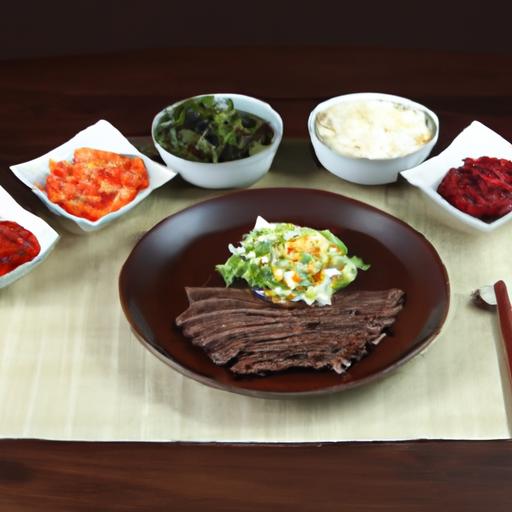

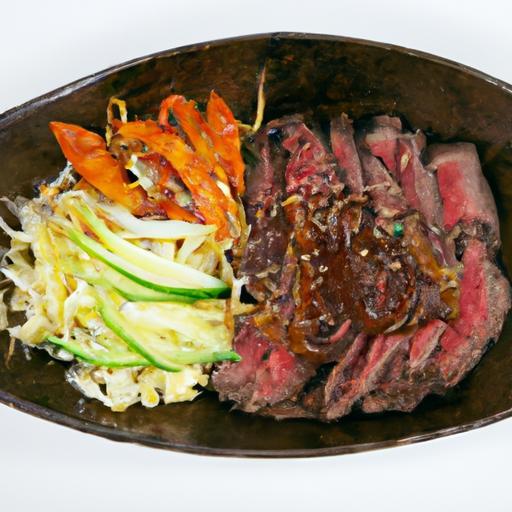

Imagine a bowl where tender, caramelized beef meets a symphony of vibrant flavors-each bite bursting with the perfect balance of sweet, savory, and spicy. Korean beef bowls have taken the culinary world by storm, marrying the comforting heartiness of rice with the irresistible zest of Korean-inspired marinades and toppings. Whether you’re a seasoned foodie or a curious newcomer, this ultimate guide will take you on a flavorful journey through the essence of Korean beef bowls, from their rich cultural roots to easy-to-master recipes that bring a taste of Korea right to your kitchen. Get ready to savor every mouthful of this delicious phenomenon!
Savor the Flavor: The Ultimate Guide to Korean Beef Bowls
Savor the Flavor: The Ultimate Guide to Korean Beef Bowls invites you on a culinary journey steeped in tradition and bold, vibrant tastes. This beloved dish, born from the rich tapestry of Korean cuisine, combines tender, marinated beef with the comforting familiarity of a warm bowl of rice, delivering a harmony of sweet, savory, and umami notes. Originating from Korea’s rich food culture, this beef bowl embodies the art of marination and balance, making each bite a celebration of authentic flavors crafted with care and passion.
Prep and Cook Time
- Preparation Time: 20 minutes
- Marination Time: 1 hour (minimum for deep flavor)
- Cooking Time: 10 minutes
- Total Time: Approximately 1 hour 30 minutes
Yield
Serves 4 generously, perfect for a weeknight dinner or a casual gathering.
Difficulty Level
Medium – Ideal for home cooks comfortable with marination techniques and stovetop cooking.
Ingredients
- 1 lb (450g) thinly sliced beef ribeye or sirloin
- 3 tbsp soy sauce (preferably Korean soy sauce for authenticity)
- 2 tbsp toasted sesame oil
- 2 tbsp brown sugar or honey
- 4 cloves garlic, minced
- 1 inch fresh ginger, grated
- 1 small Asian pear, grated (for natural sweetness and tenderizing)
- 1 tsp gochujang (Korean chili paste) – optional for a hint of spice
- 2 green onions, finely chopped
- 1 tbsp rice vinegar
- 1 tsp freshly ground black pepper
- 2 cups short-grain cooked rice
- 1 tbsp toasted sesame seeds, for garnish
- Leafy greens or kimchi, optional sides
Instructions
- Prepare the marinade: In a medium bowl, whisk together soy sauce, toasted sesame oil, brown sugar, minced garlic, grated ginger, grated Asian pear, gochujang (if using), rice vinegar, and black pepper until sugar is fully dissolved.
- Marinate the beef: Add the thinly sliced beef to the marinade, coating each piece completely. Cover and refrigerate for at least 1 hour to allow the flavors to fully infuse and tenderize the meat.
- Cook the beef: Heat a large skillet over medium-high heat. Once hot, add the marinated beef (discarding excess marinade) in a single layer. Sauté until the beef is just cooked through and slightly caramelized, about 5-7 minutes, stirring occasionally to avoid crowding and ensure even browning.
- Prepare the rice: If not already done, cook your short-grain rice according to package instructions, fluffing it with a fork before serving.
- Assemble the bowl: Divide the steamed rice into bowls, top with the cooked beef, and sprinkle generously with toasted sesame seeds and chopped green onions.
- Optional sides: Add fresh leafy greens, kimchi, or pickled vegetables to balance the richness and add color and texture to the experience.
Tips for Success
- Choosing the beef: For the most tender bite, opt for ribeye or sirloin, sliced very thin against the grain.
- Marinating longer: If time allows, marinate overnight in the fridge to deepen the flavor and tenderize the beef beautifully.
- Asian pear substitute: If unavailable, you can substitute with a small amount of apple or pineapple juice as a tenderizer, but the flavor will be slightly different.
- Avoid overcrowding the pan: Cook the beef in batches if needed. Overcrowding steams the meat instead of searing it.
- Make-ahead: The marinated beef can be prepared a day ahead for quick cooking when needed.
Savor the Flavor with These Serving Suggestions
Elevate your Korean beef bowl by presenting it with vibrant, complementary sides. Fresh, crisp kimchi provides a pleasant tang and spice contrast, while a small bowl of steamed broccoli or sautéed spinach adds a delightful greenery. Garnish each bowl with a sprinkle of sesame seeds and finely chopped green onions to add both flavor and visual appeal. For an extra indulgent touch, serve with a perfectly cooked soft-boiled egg nestled beside the beef, adding a creamy richness that melds beautifully with the savory notes.
| Nutrient | Per Serving |
|---|---|
| Calories | 430 kcal |
| Protein | 35 g |
| Carbohydrates | 40 g |
| Fat | 14 g |

For those interested in exploring more Korean culinary traditions, check out our detailed guide to Bibimbap to complement your knowledge. Additionally, the Korean Bapsang website offers an outstanding repository of authentic recipes and techniques, ideal for broadening your Korean cooking horizons.
Q&A
Q: What makes Korean beef bowls so irresistible?
A: It’s the perfect harmony of bold, savory flavors and tender, juicy beef that creates an unforgettable taste experience. A Korean beef bowl features marinated beef, typically bulgogi-style, paired with aromatic rice and vibrant vegetables, delivering both comfort and excitement in every bite.
Q: Which cut of beef is best for a Korean beef bowl?
A: Thinly sliced ribeye or sirloin are stars in this dish due to their tenderness and ability to soak up the rich marinade. They cook quickly and evenly, ensuring each morsel bursts with flavor.
Q: What key ingredients are essential in the marinade?
A: Soy sauce, garlic, ginger, sesame oil, and a touch of sweetness from brown sugar or honey form the heart of the marinade. These ingredients create a balance of salty, sweet, and nutty notes that define the classic Korean beef bowl taste.
Q: Can Korean beef bowls be customized for different palates?
A: Absolutely! From adding spicy gochujang (Korean chili paste) for heat to tossing in crunchy kimchi or fresh scallions, these bowls are versatile and perfect for experimentation while staying true to their roots.
Q: How do I achieve the perfect texture with the beef?
A: Marinating the beef for at least 30 minutes allows the flavors to penetrate deeply. Cooking over high heat quickly sears the beef, locking in juices and creating a beautiful caramelized crust without drying it out.
Q: What sides or accompaniments pair well with Korean beef bowls?
A: Light, crisp sides like steamed vegetables or a simple cucumber salad complement the richness of the beef. Additionally, pickled radish or a soft fried egg on top can elevate the dish with contrasting textures and flavors.
Q: How does the rice contribute to the overall dish?
A: The fluffy white rice acts as a neutral canvas, absorbing the savory juices and balancing the intensity of the beef. Using short-grain rice enhances the traditional Korean dining experience, adding subtle stickiness that ties the bowl together.
Q: Are there vegetarian options inspired by Korean beef bowls?
A: While this guide celebrates the beef bowl, plant-based lovers can enjoy marinated mushrooms or tofu prepared with similar flavors, offering a satisfying and hearty alternative without straying far from the original concept.
Q: Is this dish suitable for a quick weeknight meal?
A: Yes! Korean beef bowls are wonderfully speedy-marinate beforehand, then a quick stir-fry of beef and veggies, served over rice, makes for a delicious and nourishing meal in under 30 minutes.
Q: What cultural significance does the Korean beef bowl hold?
A: Beyond its incredible flavor, this dish reflects Korea’s rich culinary tradition of combining simple ingredients with bold seasonings. It embodies a philosophy of balance, community, and hearty nourishment, making it a beloved choice worldwide.
Concluding Remarks
As you embark on your journey to create the perfect Korean beef bowl, remember that this dish is more than just a meal-it’s a celebration of bold flavors, rich traditions, and the vibrant culture that brings them to life. Whether you’re layering tender, marinated beef over steaming rice or adding the crisp crunch of fresh vegetables and spicy kimchi, each bite tells a story of harmony and balance. So savor the flavors, experiment with the ingredients, and let your kitchen become a gateway to the heart of Korea. The ultimate Korean beef bowl isn’t just cooked-it’s crafted, enjoyed, and shared. Happy eating!