

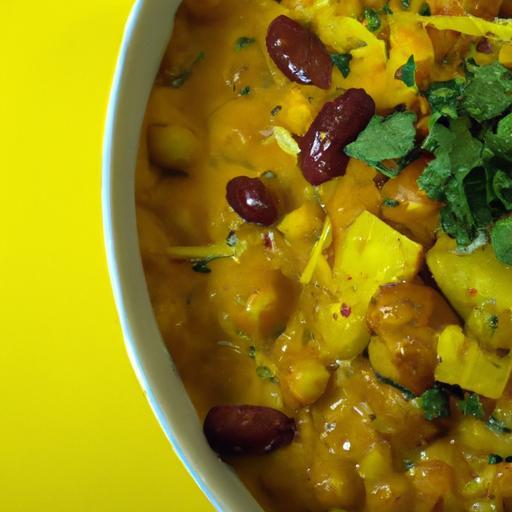

Step into a world where vibrant colors dance on your plate and warm, aromatic spices awaken every sense-welcome to the enchanting realm of vegetable curries. “Savor the Spice: A Colorful Guide to Vegetable Curry Delights” invites you on a flavorful journey through a kaleidoscope of garden-fresh ingredients transformed by rich, bold spices. From the comforting embrace of creamy coconut-infused kormas to the zingy brightness of tangy tomato-based vindaloos, this guide unravels the secrets behind crafting vegetable curries that are as nourishing as they are tantalizing. Whether you’re a seasoned spice lover or a curious newcomer, prepare to discover how simple veggies can be elevated into culinary masterpieces that celebrate culture, creativity, and the joy of savoring every vibrant bite.
Exploring the Vibrant Palette of Vegetables for Curry Mastery
Savor the Spice by immersing yourself in an explosion of seasonal colors and textures that bring every vegetable curry to life. From the bright orange hues of roasted butternut squash to the deep green crunch of tender spinach, selecting a dynamic mix of fresh vegetables is the key to creating a dish that feels as vibrant as it tastes. Imagine diced bell peppers, crisp snap peas, creamy eggplants, and tender cauliflower florets melding harmoniously under aromatic spices, each bite bursting with layered flavor and wholesome nutrition.
Unlocking the Secret Spice Blends that Elevate Every Bite
Nothing defines the soul of a vegetable curry more than its spice blend. Achieving mastery begins with a balanced combination of warm spices such as cumin, coriander, and turmeric, anchored by fiery chili powder and sweetened with a dash of ground cinnamon or fennel seeds. Toasting whole spices like cardamom pods and mustard seeds in a hot pan before grinding releases essential oils that transform simple ingredients into an irresistible symphony of flavor. Layer your spices gradually-begin with tempering spices in oil, then add ground powders with the vegetables to build depth. The secret lies in timing and balance; a pinch too much turmeric can overshadow, while a perfectly measured garam masala blend will elevate each bite to memorable perfection.
Step-by-Step Techniques for Creating Perfect Curry Consistency
Achieving the ideal curry consistency is an art. It requires patience and a keen eye for texture. Begin by cooking your base onions until they are caramelized to a rich golden brown-it sets the foundation for a silky sauce. Incorporate the tomato puree slowly, allowing the mixture to reduce and deepen in flavor. Adding coconut milk or a splash of vegetable broth adjusts creaminess and body without overpowering. Stir continuously to prevent sticking and to meld flavors harmoniously. If the curry becomes too thick, a gentle swirl of warm broth or water can loosen it up; if too thin, simmer uncovered to concentrate flavors until the sauce clings lovingly to each vegetable morsel. Remember: the perfect curry is neither soupy nor dry but drapes the vegetables in a luscious, aromatic coat.
Pairing Your Vegetable Curry with Complementary Sides and Drinks
No vegetable curry is truly complete without thoughtfully paired sides and beverages that highlight its complex flavors. Serve your curry alongside fluffy basmati rice infused with whole cloves and cardamom for a fragrant contrast. Alternatively, offer warm, pillowy naan or crisp papadums to scoop up every drop. For a fresh counterpoint, include a cooling cucumber raita with hints of mint or a zesty mango chutney enhancing sweetness and tang. To drink, a chilled glass of unsweetened mango lassi or a fragrant jasmine iced tea cleanses the palate and refreshes your senses. These partners amplify the vibrant vegetable curry experience, turning your meal into a celebration of taste and texture.
Prep and Cook Time
- Preparation: 20 minutes
- Cooking: 40 minutes
- Total Time: 1 hour
Yield
Serves 4 generous portions
Difficulty Level
Medium – perfect for those comfortable with basic cooking techniques looking to elevate their curry game
Ingredients
- 2 tbsp vegetable oil
- 1 large onion, finely sliced
- 3 cloves garlic, minced
- 1-inch piece ginger, grated
- 1 tsp cumin seeds
- 1 tsp coriander seeds, toasted and ground
- 1 tsp turmeric powder
- 1 tsp garam masala
- ½ tsp chili powder (adjust to taste)
- 1 large tomato, pureed
- 1 cup butternut squash, diced
- 1 cup cauliflower florets
- 1 cup chopped bell peppers (mixed colors)
- 1 cup snap peas
- 2 cups fresh spinach
- 1 cup coconut milk
- Salt to taste
- Fresh cilantro for garnish
Instructions
- Heat the vegetable oil in a large skillet or heavy-bottomed pan over medium heat. Add cumin seeds and toast until fragrant, about 1 minute.
- Add sliced onions and sauté until golden brown and caramelized, approximately 8-10 minutes. Stir frequently to ensure even browning.
- Incorporate garlic and ginger, cooking until aromatic, about 1-2 minutes.
- Mix in ground coriander, turmeric, chili powder, and garam masala. Stir continuously to toast the spices gently, about 2 minutes.
- Pour in the tomato puree. Simmer the mixture, stirring occasionally, until it thickens and oils start to separate, about 10 minutes.
- Add diced butternut squash, cauliflower, and bell peppers. Stir to coat vegetables thoroughly with the spice blend.
- Pour in coconut milk and ½ cup water or vegetable broth. Season with salt. Bring to a simmer, cover partially, and cook until vegetables are tender but not mushy, about 15 minutes.
- Stir in snap peas and spinach. Cook uncovered for another 5 minutes, allowing spinach to wilt and snap peas to retain crispness.
- Adjust seasoning to taste. If curry is too thick, add a splash of broth; if too thin, simmer longer to thicken.
- Garnish with fresh cilantro before serving.
Chef’s Notes
- For a nuttier depth, add a tablespoon of ground roasted cashews when stirring in the coconut milk.
- To make this dish vegan and gluten-free, ensure all sides like naan are substituted accordingly.
- Curries often taste better the next day-consider making ahead and gently reheating to enhance flavor melding.
- If you prefer a smoky hint, briefly char some of the peppers on an open flame or under a broiler before adding.
- Adjust chili powder to control heat intensity for a family-friendly version.
Serving Suggestions
Present your vegetable curry in a deep bowl, topped with a sprig of fresh cilantro and a wedge of lime for an extra zing. Serve alongside fragrant basmati rice or warm garlic naan. Complement with cool homemade cucumber raita or a mango chutney to balance the spice. For beverages, iced mint green tea or a sweet mango lassi perfectly soothe the palate and enhance the meal’s vibrant experience.
| Nutrient | Per Serving |
|---|---|
| Calories | 280 kcal |
| Protein | 7 g |
| Carbohydrates | 35 g |
| Fat | 12 g |

Discover more inspiring recipes like this in our Vegetarian Indian Recipes collection. Additionally, learn about the health benefits of turmeric and other spices from Healthline’s expert overview.
Q&A
Q&A: Savor the Spice: A Colorful Guide to Vegetable Curry Delights
Q1: What makes vegetable curry such a vibrant and exciting dish?
A1: Vegetable curry dazzles with its rich tapestry of colors, textures, and aromas. Each vegetable adds its own hue-from the deep orange of carrots to the bright green of bell peppers-creating a feast for the eyes as well as the palate. The blend of spices, simmered to perfection, layers flavor and warmth that turn simple veggies into an adventurous dish worth savoring.
Q2: Which spices are essential to crafting authentic vegetable curry flavors?
A2: A symphony of spices like turmeric, cumin, coriander, garam masala, and mustard seeds form the backbone of a vibrant vegetable curry. These spices not only infuse the dish with warmth and complexity but also enhance the natural sweetness and earthiness of the vegetables, making each bite a flavorful journey.
Q3: Can vegetable curry be tailored to different dietary preferences?
A3: Absolutely! Vegetable curry is wonderfully adaptable. Whether you aim for vegan, gluten-free, or low-fat options, the recipe bends gracefully. Use coconut milk for creaminess, swap potatoes for sweet potatoes, or add protein-rich lentils or chickpeas to boost heartiness-all without losing that aromatic, spicy essence.
Q4: How do you balance heat and flavor in a vegetable curry?
A4: Balancing heat is a matter of personal taste and spice layering. Start slow-adding chili peppers or powder incrementally-and balance the fiery notes with creamy elements like coconut milk or yogurt substitutes. A squeeze of tangy lime or a sprinkle of fresh cilantro at the end can brighten the dish, mellowing heat while boosting flavor complexity.
Q5: What are some easy ways to make vegetable curry more colorful and nutritious?
A5: Variety is key! Incorporate a medley of vegetables with contrasting colors and textures-think crimson bell peppers, spinach leaves, purple eggplant, golden potatoes, and bright green peas. Adding legumes like chickpeas not only provides texture but also proteins and fiber, enriching the dish nutritionally without sacrificing vibrancy.
Q6: How can leftover vegetable curry be repurposed for tasty meals?
A6: Leftover curry is a treasure trove! Use it as a hearty filling for savory wraps or stuffed peppers, stir it into grain bowls for a quick lunch, or turn it into a comforting soup with added broth. The spices deepen over time, making each subsequent meal even more flavorful-a delightful way to reduce waste and enjoy multiple culinary experiences.
Q7: What role do fresh herbs play in enhancing vegetable curry?
A7: Fresh herbs like cilantro, mint, and curry leaves add bright, refreshing notes that contrast with the richness of the spices and coconut milk. They act as the final flourish, balancing flavors and enhancing aroma. Adding them just before serving preserves their vibrant character, uplifting the dish with bursts of herbal brightness.
Q8: Is vegetable curry suitable for all seasons?
A8: Yes! Vegetable curry is incredibly versatile and season-friendly. Use root vegetables and squash in cooler months for warmth and comfort, then shift to lighter, crisp veggies like zucchini, tomatoes, and green beans during warmer seasons for a fresh, lively twist. The spice blend can be adjusted to suit the mood-warming in winter or cooling with lighter spices in summer.
This Q&A invites readers to explore the colorful, flavorful world of vegetable curry through creative yet accessible insights, inspiring joyful cooking and savoring.
Future Outlook
As the final spoonful of your vibrant vegetable curry lingers on the palate, you’ve not only savored a meal but embarked on a flavorful journey through the rich tapestry of spices and colors that make this dish a timeless delight. From the warmth of turmeric to the subtle heat of cumin, each ingredient plays its part in painting a culinary masterpiece. Whether you’re a seasoned cook or a curious beginner, embracing the art of vegetable curry opens doors to endless creativity and nourishment. So gather your favorite veggies, experiment with spices, and let your kitchen become a canvas for these aromatic adventures. Here’s to savoring every bite and celebrating the vibrant spirit of vegetable curry-where every dish tells a story and every flavor invites you back for more.