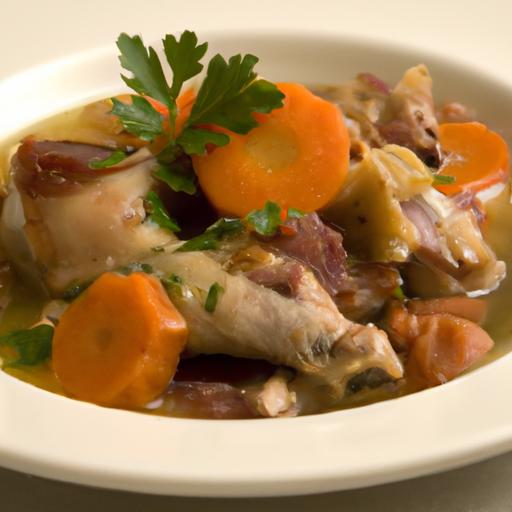

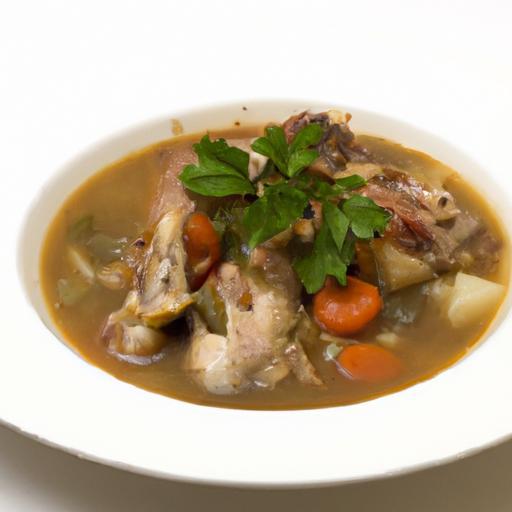

In a world where culinary trends come and go, some flavors stand the test of time, inviting us to slow down and savor the rich heritage they carry. Among these enduring delights is classic rabbit stew-a dish that weaves together history, comfort, and rustic elegance in every tender bite. Rooted in tradition and bursting with savory depth, rabbit stew embodies a culinary journey that transcends generations and borders. Whether you are a curious cook eager to explore new flavors or a seasoned foodie seeking to reconnect with age-old recipes, this guide will immerse you in the art of crafting timeless rabbit stew. Prepare to uncover secret techniques, cherished ingredients, and heartwarming stories that celebrate the enduring charm of this classic dish.
Savor the Tradition of classic rabbit stew is a culinary journey that takes you into the heart of rustic European kitchens, where the humble rabbit was transformed into a hearty, comforting meal steeped in history. This dish, cherished across Mediterranean and rural French cuisines, celebrates slow-cooked tenderness and rich, layered flavors developed over generations. My grandmother’s kitchen was filled with fragrant herbs and the warm aroma of simmering rabbit stew every fall, evoking memories of gathering around a wooden table where stories and food intertwined.
Prep and Cook Time
- Preparation: 25 minutes
- Cooking: 1 hour 45 minutes
- Total: 2 hours 10 minutes
Yield
- Serves 6 generous portions
Difficulty Level
- Medium – suitable for cooks familiar with braising and simmering techniques
Essential Ingredients That Bring Out Authentic Flavors
- 1 whole rabbit (about 2-2.5 lbs), cleaned and cut into serving pieces
- 1 cup all-purpose flour, sifted (for coating)
- 4 tbsp olive oil, extra virgin for depth and aroma
- 1 large onion, finely chopped
- 3 cloves garlic, minced
- 2 medium carrots, peeled and diced
- 2 celery stalks, diced
- 1 sprig fresh rosemary
- 2 fresh thyme sprigs
- 2 bay leaves
- 4 cups vegetable broth, homemade or low sodium
- 1 cup canned crushed tomatoes, no salt added
- 1 cup pearl onions, peeled
- Salt and freshly ground black pepper to taste
- Fresh flat-leaf parsley, chopped for garnish
Step-by-Step Techniques for Perfectly Tender Rabbit Meat
- Coat the rabbit pieces: Rinse and pat dry the rabbit portions, then toss gently in the sifted flour seasoned lightly with salt and pepper. This coating helps achieve a beautiful golden crust and thickens the stew naturally.
- Brown the meat: In a heavy-bottomed pot or Dutch oven, heat 3 tablespoons of olive oil over medium-high heat. Add rabbit pieces in batches to avoid overcrowding, browning them for about 4-5 minutes per side until golden. Remove and set aside.
- Sauté the aromatics: Lower heat to medium. Add remaining olive oil and sauté onion, garlic, carrots, and celery until softened and fragrant, about 7 minutes. Stir often to develop sweetness without burning.
- Deglaze and build flavors: Stir in crushed tomatoes and cook for 3 minutes, scraping the pot’s fond to incorporate all the flavor. Add back the rabbit, pearl onions, rosemary, thyme, bay leaves, and pour in the vegetable broth until the rabbit is nearly submerged.
- Simmer gently: Bring to a gentle boil, then reduce heat to low, covering with a lid partially askew. Let the stew simmer for 1 hour 30 minutes, turning the rabbit pieces once halfway, until the meat is tender and almost falling off the bone.
- Final seasoning and rest: Remove herb sprigs and bay leaves. Adjust seasoning with salt and pepper. For a richer sauce texture, remove lid in the last 15 minutes, allowing liquid to reduce slightly. Let the stew rest, covered, off heat for 10 minutes before serving.
Tips for Success
- Rabbit quality matters: Opt for fresh, farm-raised rabbit with minimal gamey odor to ensure delicate flavor.
- Flour coating: This simple step locks in moisture and creates a velvety stew base without added thickeners.
- Slow simmer: Avoid boiling vigorously to keep the meat tender and prevent it from drying out.
- Make ahead: Like many stews, rabbit stew tastes better the next day as the flavors meld beautifully. Reheat gently over low heat.
- Vegetarian alternative: Experiment with mushrooms and tofu for texture, using the same aromatic broth and herbs for a plant-based twist.
Pairing Suggestions to Elevate Your Rabbit Stew Experience
Serve your classic rabbit stew over buttery mashed potatoes or rustic country-style bread to sop up the luscious sauce. A side of sautéed green beans with toasted almonds adds crunch and freshness that contrasts the stew’s richness. For garnish, sprinkle fresh flat-leaf parsley or thinly sliced lemon zest to brighten the palate visually and flavor-wise.
| Nutrient | Per Serving |
|---|---|
| Calories | 320 kcal |
| Protein | 35 g |
| Carbohydrates | 12 g |
| Fat | 12 g |
Internal Link: Discover more on slow-cooking techniques in our Ultimate Guide to Slow Cooking.
External Reference: For a deep dive into rabbit culinary tradition and safety recommendations, visit USDA Meat Handling Guidelines.

Q&A
Q&A: Savor the Tradition – A Guide to Classic Rabbit Stew Recipes
Q1: What makes rabbit stew a timeless classic in traditional cooking?
A1: Rabbit stew embodies the essence of rustic, slow-cooked comfort. Its tender meat absorbs rich flavors from fresh herbs, root vegetables, and aromatic broths, creating a dish that has been cherished for generations. The hearty texture and subtle gamey taste connect us to countryside roots and old-world kitchens, making every bite a delicious journey through culinary history.
Q2: How should I prepare the rabbit before cooking the stew?
A2: Start by selecting fresh, young rabbit for the most tender meat. After rinsing and patting dry, cut the rabbit into portions suitable for stewing. Lightly dusting the pieces with flour before browning helps create a golden crust that locks in juices and adds depth to the stew. Browning also develops complex flavors that become the backbone of the stew’s rich profile.
Q3: Which herbs and spices best complement rabbit stew?
A3: Classic herb choices include rosemary, thyme, and bay leaves, which harmonize beautifully with the mild, slightly sweet rabbit meat. A touch of garlic and black pepper adds warmth without overpowering the dish. For an extra layer of earthiness, consider a hint of juniper berries or a subtle splash of mustard powder to brighten the stew’s character.
Q4: What vegetables are traditional in classic rabbit stew recipes?
A4: Root vegetables such as carrots, parsnips, and potatoes are staples, offering sweetness and body to the stew. Mushrooms introduce umami richness, while pearl onions or leeks add gentle pungency and texture. These vegetables not only enhance flavor but also help create a satisfying, balanced meal.
Q5: Can rabbit stew be prepared ahead of time, and does it improve after resting?
A5: Absolutely! Like many slow-cooked dishes, rabbit stew benefits tremendously from resting. Preparing it a day in advance allows the flavors to meld and deepen, resulting in a more harmonious and luscious stew. Reheat gently to preserve tenderness and enjoy a meal that tastes even better than freshly made.
Q6: What cooking methods yield the best tender rabbit stew?
A6: Low and slow is the secret. Whether simmered gently on the stove, baked in the oven, or slowly cooked in a covered pot, maintaining a steady, moderate temperature breaks down connective tissue, rendering the meat tender and succulent. Avoid boiling, which can toughen the meat and cloud the broth; instead, opt for a lively but controlled simmer.
Q7: What side dishes traditionally accompany rabbit stew?
A7: Rustic, earthy accompaniments are ideal to soak up the rich sauce-think crusty artisan bread, creamy mashed potatoes, or buttered egg noodles. A simple green salad with a bright vinaigrette also provides refreshing contrast, making the meal well-rounded and satisfying without overshadowing the stew’s central flavors.
Q8: Are there regional variations to classic rabbit stew recipes?
A8: Indeed! Across Europe and beyond, each region adds its own flair-Provençal versions might highlight tomatoes and olives, while Eastern European recipes often showcase paprika and sour cream. Despite these variations, the core principles remain rooted in melding tender rabbit with hearty vegetables and fragrant herbs to create timeless comfort food.
Q9: How can I ensure the stew has a rich and glossy sauce?
A9: Building layers of flavor is key. Start with proper browning of the rabbit, then deglaze the pan with broth or a complementary non-alcoholic liquid to capture fond. Slow simmering will concentrate the sauce, and finishing with a liaison of butter or a spoonful of cream can add sheen and silkiness, elevating the stew’s presentation and taste.
Q10: What tips would you give to someone trying their first rabbit stew?
A10: Embrace patience. Take time to brown the meat well, select fresh herbs and vegetables, and simmer gently. Don’t rush the process; rabbit stew is about slow development of flavors and tender textures. Lastly, trust your senses-taste as you go and adjust seasonings gradually. With care and curiosity, you’ll unlock a dish that’s both an adventure and a comforting classic.
To Conclude
As the flavors of time-honored ingredients meld into a hearty rabbit stew, we are reminded that cooking is more than just nourishment-it’s a celebration of heritage and craftsmanship passed down through generations. Whether you are simmering a rustic broth in a countryside kitchen or experimenting with spices in your urban nook, these classic recipes invite you to savor not only the dish but the stories steeped in every tender bite. So gather your pots, embrace the tradition, and let each spoonful transport you to a place where history and flavor converge in perfect harmony. Happy cooking, and may your rabbit stew be as rich in memories as it is in taste.