

Beneath its striking crimson hue and velvety texture lies a tale as rich and layered as the cake itself. Red velvet cake, with its alluring blend of cocoa and cream cheese frosting, has captivated dessert lovers for generations, weaving together history, culture, and culinary artistry in every slice. From its mysterious origins in Southern America to the secret ingredients that give it its signature taste and texture, the story of red velvet cake is as fascinating as the dessert is delicious. Join us as we unravel the rich history and recipe secrets of this timeless classic, revealing why red velvet cake continues to hold a special place on tables and in hearts around the world.
The Rich History and Recipe Secrets of Red Velvet Cake invite passionate bakers to explore not just a dessert but a cultural icon wrapped in velvety textures and vibrant hues. Born from a blend of tradition and chemistry, red velvet cake captivates with its distinctive crimson shade and luscious crumb, making it a symbol of celebration and Southern charm. From classic kitchens to contemporary twist-inspired bakeries, the story and science behind its red hue elevate this cake beyond the ordinary.
Prep and Cook Time
Preparation: 20 minutes | Cooking: 30 minutes | Cooling and Frosting: 1 hour 15 minutes
Yield
Serves 10 generous slices
Difficulty Level
Medium – Perfect for bakers ready to refine their technique and impress with visually stunning results
The Chemistry Behind the Iconic Red Hue: Classic Ingredients Versus Modern Twists in Red Velvet Recipes
What makes red velvet so unmistakably red? Originally, the warm reaction between natural cocoa powder and acidic ingredients like buttermilk and vinegar produced a subtle reddish tint, celebrated during the early 20th century. Today, to achieve the signature bright red, many modern recipes incorporate food coloring, balancing tradition with aesthetic impact. Use natural beet juice for a healthier, earthy twist or opt for versatile beet powder as a colorant that lends both vibrance and subtle sweetness.
Ingredients
- 2 ½ cups all-purpose flour, sifted
- 1 ½ cups granulated sugar
- 1 teaspoon baking soda
- 1 teaspoon fine sea salt
- 1 teaspoon natural cocoa powder, unsweetened
- 1 ½ cups buttermilk, room temperature
- 2 large eggs, room temperature
- 1 ½ cups vegetable oil
- 1 tablespoon white distilled vinegar
- 2 teaspoons pure vanilla extract
- 1 tablespoon red food coloring (or 2 tablespoons beet juice for a natural alternative)
- Optional: ½ teaspoon espresso powder (to enhance the cocoa flavor)
Instructions
- Preheat your oven to 350°F (175°C). Grease and flour two 9-inch round cake pans or line them with parchment paper for easy release.
- In a large bowl, whisk together flour, sugar, baking soda, salt, and cocoa powder until well combined.
- In a separate mixing bowl, combine buttermilk, eggs, oil, vinegar, vanilla, and red food coloring. Beat thoroughly with a hand mixer until the mixture is smooth and uniform.
- Slowly add the wet ingredients to the dry mixture, mixing on low speed until fully incorporated. Avoid overmixing to maintain tenderness.
- If using, add espresso powder now and gently fold it into the batter to amplify the cocoa notes.
- Divide the batter evenly between the prepared pans, smoothing the tops with a spatula for even rising.
- Bake for 27 to 30 minutes or until a toothpick inserted in the center comes out clean. Rotate pans halfway through baking for uniform heat.
- Cool the cakes in pans for 10 minutes before transferring them to wire racks; cool completely to avoid frosting melt.
- Prepare your favorite cream cheese frosting (recipe link inside), and frost once the layers are fully cooled.
- Chill the assembled cake for at least 30 minutes before slicing to set the frosting and enhance flavor melding.
Tips for Success: Pro Tips for Baking the Perfect Moist and Fluffy Red Velvet Cake
- Room temperature ingredients blend seamlessly to create a tender crumb and consistent texture.
- Buttermilk is key: acidity activates baking soda and deepens flavor; substitute with yogurt if unavailable.
- Adjust food coloring: start with less and add gradually to avoid overpowering the batter color or taste.
- Avoid overmixing: to keep your cake delicate and light, mix only until ingredients combine.
- Layer stability: brush cake tops lightly with simple syrup if waiting before frosting to lock moisture.
- For extra flair, try adding toasted pecans between layers or a dusting of white chocolate shavings on top.
Serving Suggestions
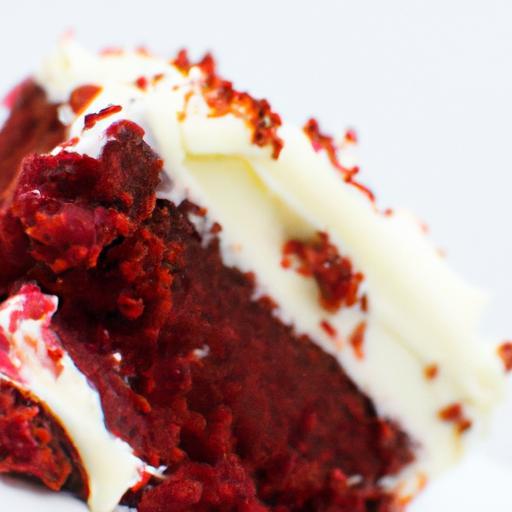
The visual allure of a glossy cream cheese frosting contrasted against the ruby red crumb makes slicing this cake a captivating moment. Serve each slice with a sprig of fresh mint or a few edible rose petals for elegance. Pair beautifully with a cup of rich coffee or milky chai to complement the cake’s subtle chocolate notes, making every bite an indulgence.
| Nutrient | Per Serving |
|---|---|
| Calories | 355 kcal |
| Protein | 4.8 g |
| Carbohydrates | 42 g |
| Fat | 19 g |
Discover the perfect classic cream cheese frosting recipe to complement this cake’s rich texture. For historical insights, see Smithsonian Magazine’s exploration of red velvet cake origins.

Q&A
Q&A: The Rich History and Recipe Secrets of Red Velvet Cake
Q1: Where did red velvet cake originally come from?
A1: Red velvet cake traces its origins back to the early 20th century in North America, with roots in traditional Victorian-era “velvet” cakes-known for their fine, soft crumb. It rose to fame during the Great Depression, when clever bakers used pantry staples to create a visually stunning yet affordable dessert. Its signature vibrant red color became a culinary icon, especially popularized in the Southern United States.
Q2: What is the secret behind the iconic red color of red velvet cake?
A2: The red hue originally came from a natural reaction between acidic ingredients like buttermilk or vinegar and the cocoa powder used in the batter, which enhanced the reddish tint of anthocyanins in cocoa. Today, many recipes include food coloring to achieve a bright, consistent color, but true red velvet aficionados savor the subtle natural tones that the chemistry of ingredients can produce.
Q3: How does red velvet cake differ from a traditional chocolate cake?
A3: While red velvet contains cocoa, it has far less than traditional chocolate cake, resulting in a mild chocolate undertone rather than an intense chocolate flavor. Its texture is also distinctively velvety and tender, thanks to the combination of buttermilk and vinegar, which break down gluten and create a fine crumb. This balance of flavors and textures separates red velvet as its own unique dessert experience.
Q4: What role does buttermilk play in red velvet cake?
A4: Buttermilk is a star ingredient that adds tangy moisture and acidity, which helps tenderize the flour proteins and enhances the cake’s soft, velvety crumb. It also interacts with baking soda or baking powder to help the cake rise properly and contributes subtly to the flavor profile, enriching the overall taste with a slight tang.
Q5: Are there any unconventional but delightful ingredients that could enhance a red velvet cake?
A5: Absolutely! Some bakers add a touch of espresso powder to deepen the cocoa notes without overpowering the cake’s character. Others experiment with spices like cinnamon or a hint of vanilla bean paste to add warmth and complexity. The beauty of red velvet lies in its adaptability, allowing creative twists while preserving its classic charm.
Q6: What frosting is traditionally paired with red velvet cake, and why?
A6: Cream cheese frosting is the quintessential partner for red velvet cake. Its smooth, tangy richness complements the mild chocolate and acidic notes of the cake perfectly, creating a luscious contrast to the cake’s delicate crumb. The frosting’s slightly tart flavor cuts through the cake’s sweetness, resulting in a balanced and irresistible combination.
Q7: How should one store red velvet cake to maintain its freshness and texture?
A7: To keep red velvet cake fresh, wrap it tightly in plastic wrap and store it in the refrigerator if it’s frosted, since cream cheese frosting needs to stay chilled. For unfrosted cake layers, wrapping tightly and leaving them at room temperature for up to two days is fine. When ready to serve, bring it to room temperature for the best taste and texture.
Q8: Can red velvet cake be made without eggs?
A8: Yes! Egg substitutes like applesauce, mashed bananas, or commercial egg replacers can be used to maintain moisture and structure, making red velvet cake accessible to those with dietary restrictions. Adjustments might be needed to balance moisture and leavening, but the velvety texture and signature flavor can still shine through.
Q9: Why has red velvet cake maintained its popularity for over a century?
A9: Red velvet cake’s enduring appeal lies in its captivating color, charming history, and harmonious flavor profile. It embodies a nostalgic elegance paired with simple yet thoughtful ingredients. Whether for holidays, weddings, or casual celebrations, it brings a touch of delight and sophistication that continues to captivate dessert lovers around the world.
Closing Remarks
From its mysterious origins in Southern kitchens to its rise as a symbol of festive celebration, red velvet cake is more than just a dessert-it’s a delicious slice of history. Behind its vibrant hue and velvety crumb lies a story steeped in tradition, innovation, and a dash of culinary magic. Whether you’re savoring a forkful from a classic bakery or baking your own with treasured recipe secrets passed down through generations, red velvet cake continues to enchant taste buds and warm hearts. So next time you indulge in this crimson confection, remember: you’re tasting a rich tapestry of heritage, flavor, and love that has stood the test of time.