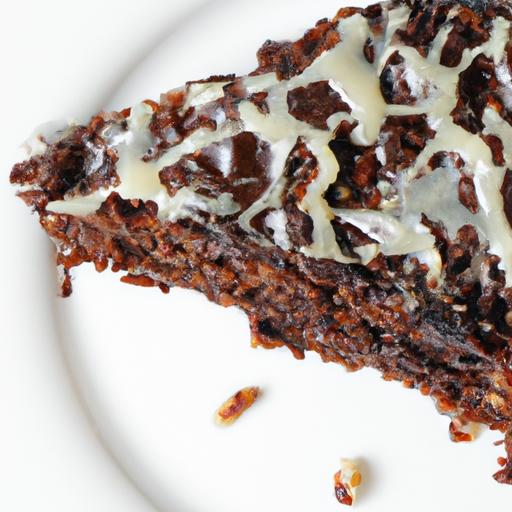

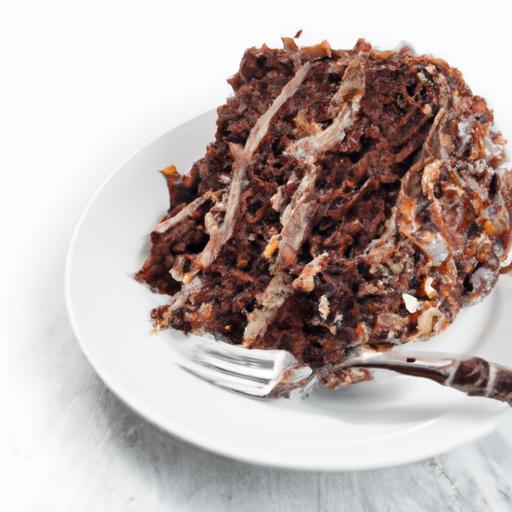

Beneath its luscious layers of moist, tender cake and rich, coconut-pecan frosting lies more than just a dessert; it’s a story steeped in unexpected twists and delectable surprises. German Chocolate Cake, with its velvety crumb and signature sweet, nutty topping, has captivated taste buds and carved out a special place in dessert history. But beyond the mouthwatering slices served on celebratory tables, this cake carries a fascinating heritage-one that blends cultural serendipity, clever marketing, and timeless baking traditions. Join us as we unravel the rich history and sweet secrets behind German Chocolate Cake, revealing how a simple recipe transcended borders to become an enduring favorite around the world.
The Rich History and Sweet Secrets of German Chocolate Cake
The Rich History and Sweet Secrets of German Chocolate Cake unlock a fascinating story behind this beloved dessert that surprises many with its uniquely American origins. Far from Germany’s culinary repertoire, this iconic cake emerged in the 1950s thanks to an unexpected twist involving a trademarked chocolate brand. What truly defines this cake is not just its luscious chocolate layers but the signature coconut pecan frosting that balances texture and taste in an utterly captivating way.
Prep and Cook Time
- Preparation: 30 minutes
- Cooking: 35 minutes
- Cooling and Frosting: 1 hour
Yield
Serves 12 generous slices
Difficulty Level
Medium – approachable for passionate home bakers ready to elevate their dessert game.
The Rich History and Sweet Secrets of German Chocolate Cake: Ingredients
- For the Cake:
- 1 cup (2 sticks) unsalted butter, softened
- 2 cups granulated sugar
- 4 large eggs, separated
- 1 teaspoon pure vanilla extract
- 2 cups all-purpose flour, sifted
- 1 teaspoon baking soda
- ½ teaspoon salt
- ¾ cup buttermilk, room temperature
- 4 ounces German’s Sweet Chocolate, chopped (or high-quality bittersweet chocolate)
- For the Coconut Pecan Frosting:
- 1 cup evaporated milk
- 1 cup granulated sugar
- 3 large egg yolks, lightly beaten
- ½ cup (1 stick) unsalted butter
- 1 ½ teaspoons pure vanilla extract
- 1 ½ cups sweetened shredded coconut
- 1 cup chopped pecans, toasted
Instructions
- Preheat your oven to 350°F (175°C). Grease and flour three 9-inch round cake pans for easy release.
- Melt the chocolate: In a small saucepan over low heat, gently melt the chopped German’s Sweet Chocolate until smooth. Set aside to cool slightly.
- Prepare the cake batter: In a large mixing bowl, cream butter and sugar with an electric mixer until light and fluffy, about 4 minutes. Add the egg yolks one at a time, beating well after each addition, then mix in the vanilla extract.
- Incorporate dry ingredients: In a separate bowl, whisk together flour, baking soda, and salt. Gradually add this mixture alternately with the buttermilk to the creamed butter mixture, starting and ending with the dry ingredients. Stir in the melted chocolate until evenly combined.
- Beat egg whites: In a clean bowl, whisk the egg whites to stiff peaks, then gently fold them into the batter to preserve its airy texture.
- Bake your layers: Divide the batter evenly among the prepared pans. Bake for 30-35 minutes or until a toothpick inserted into the center comes out clean. Cool layers in pans for 10 minutes, then turn out onto wire racks to cool completely.
- Make the coconut pecan frosting: Combine evaporated milk, sugar, egg yolks, and butter in a saucepan over medium heat. Stir constantly until the mixture thickens and turns a rich caramel color, about 12 minutes. Remove from heat and stir in vanilla, coconut, and toasted pecans. Allow to cool to spreading consistency.
- Assemble the cake: Place one cake layer on your serving plate. Spread a generous layer of frosting over it. Repeat with the next layers, finishing with frosting on top and sides.
- Chill for set: Refrigerate the assembled cake for at least 1 hour before serving to let the flavors meld perfectly and frosting firm up slightly.
Tips for Success
- Chocolate Choice: Using authentic German’s Sweet Chocolate gives this cake its traditional subtleness-bittersweet varieties help maintain the historic flavor balance.
- Coconut and Pecan Prep: Toast the pecans lightly in a dry skillet for 3-5 minutes to deepen their flavor without burning. Use fresh shredded coconut to maximize texture.
- Egg Whites Folding: Gently folding the whipped egg whites into the batter preserves airiness, crucial for the moist texture celebrated in this cake.
- Make Ahead: The cake layers can be baked a day in advance and wrapped tightly in plastic wrap, stored in the fridge. Assemble with frosting just before serving for peak freshness.
- Allergy-Friendly Option: Substitute pecans with chopped walnuts or almonds if preferred, but keep the coconut for texture authenticity.
- Frosting Consistency: If your frosting seems too stiff, gently warm it over a double boiler to soften for easier spreading.
Serving Suggestions to Elevate Your German Chocolate Cake Experience
For an inviting presentation, slice the moist, chocolatey layers to reveal streaks of glossy coconut pecan frosting. Garnish with a few toasted pecans and a sprinkle of shredded coconut on the plate’s edge for a rustic yet elegant look. Accompany each slice with a dollop of freshly whipped cream or a scoop of vanilla bean ice cream to balance the rich, nutty flavors.
Consider pairing this cake with warm beverages like coffee or herbal teas that complement its sweetness without overpowering its delicate chocolate nuances. For a special occasion, serve alongside fresh berries or a drizzle of caramel sauce for an extra touch of indulgence.
| Nutrient | Per Serving |
|---|---|
| Calories | 420 kcal |
| Protein | 5 g |
| Carbohydrates | 52 g |
| Fat | 20 g |

Curious about other classic American desserts and their heritage? Explore our comprehensive guide to traditional American sweets to deepen your baking journey. For more about the chocolate origins and trademarks that influenced this cake’s story, visit History.com’s exploration on German Chocolate Cake.
Q&A
Q&A: The Rich History and Sweet Secrets of German Chocolate Cake
Q1: Is German Chocolate Cake originally from Germany?
A1: Surprisingly, no! Despite its name, German Chocolate Cake isn’t German in origin. It’s named after an American named Samuel German, who developed a type of sweet baking chocolate in 1852. The cake’s history is firmly rooted in the United States, particularly in Texas, where the recipe first gained fame.
Q2: What makes German Chocolate Cake uniquely delicious?
A2: The cake’s signature appeal lies in its rich, moist chocolate layers paired with a luscious coconut-pecan frosting. This frosting combines shredded coconut, chopped pecans, evaporated milk, sugar, butter, and egg yolks, creating a sweet, gooey texture that sets it apart from ordinary chocolate cakes.
Q3: How did the recipe for German Chocolate Cake become popular?
A3: The rise of German Chocolate Cake can be traced back to a 1957 newspaper recipe promotion. A homemaker in Texas submitted the recipe featuring “German’s Sweet Chocolate,” and it went viral overnight. This media boost transformed the cake into a beloved classic across the nation.
Q4: What role does Samuel German’s baking chocolate play in the cake?
A4: Samuel German’s baking chocolate is key to the cake’s distinct chocolate flavor. This sweet baking chocolate offers a mellow cocoa taste that pairs perfectly with the cake’s rich frosting. While many modern recipes use various chocolates, the original’s smooth sweetness remains a hallmark.
Q5: Are there any traditional secrets to mastering the coconut-pecan frosting?
A5: Patience and technique are essential. The frosting must be cooked slowly to thicken properly without curdling the eggs. Toasting the pecans beforehand deepens their flavor, while fresh shredded coconut ensures a delightful texture. Combining these steps creates that coveted sticky, luscious frosting.
Q6: Has German Chocolate Cake evolved over time?
A6: Absolutely! Variations abound-from bundt cakes to cupcakes, and even cheesecakes inspired by it. Some bakers add a hint of espresso powder or swap pecans for walnuts to tweak the flavor. However, the classic chocolate layers paired with coconut-pecan frosting remain the most cherished combination.
Q7: Can German Chocolate Cake be adapted for special diets?
A7: With creativity, yes! For example, coconut flakes and nuts can be swapped to accommodate allergies, and dairy-free butters and milks are great for vegan versions. Just remember, maintaining the integrity of the frosting’s texture and flavor is key to preserving that iconic taste.
Q8: Why does German Chocolate Cake continue to be a favorite today?
A8: Its timeless charm stems from a perfect balance: deep chocolate richness cushioned by a decadent, textured frosting. This hearty yet sweet combination feels both nostalgic and indulgent. Whether for holidays or everyday celebrations, German Chocolate Cake offers a slice of history wrapped in deliciousness.
In Summary
As the final crumbs of German Chocolate Cake melt away, we’re reminded that this beloved dessert is more than just a confection-it’s a slice of history layered with cultural nuance and sweet innovation. From its Texan origins inspired by a German baker’s name to the luscious coconut-pecan frosting that has become its signature, this cake tells a story that’s as rich and inviting as every forkful. So next time you savor a piece, remember you’re indulging not only in a treat but in a timeless tradition that continues to delight palates and sweeten gatherings around the world. In every bite, the legacy of German Chocolate Cake lives on-rich, sweet, and undeniably unforgettable.