
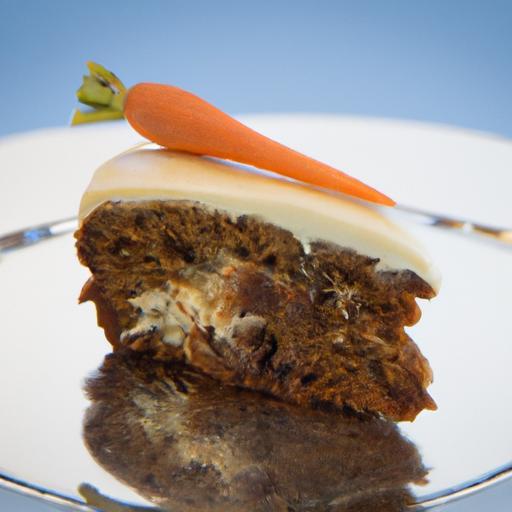

Beneath its golden, spiced crust and beneath the layers of luscious cream cheese frosting lies more than just a dessert; it’s a story steeped in history, culture, and curious science. Carrot cake, with its moist crumb and subtle sweetness, has won hearts worldwide, transcending mere confection to become a symbol of comfort and celebration. But what is it about this humble cake that captivates our taste buds and stirs nostalgia? Journey with us as we slice into the sweet history and unravel the science behind carrot cake’s enduring charm, exploring how an age-old root transformed into a modern-day delight that continues to enchant generations.
The Sweet History and Science Behind Carrot Cake’s Charm
Carrot cake’s charm lies not only in its delightful sweetness but also in its fascinating evolution and the scientific magic that creates its signature moist texture. This beloved dessert, rooted in ancient culinary traditions, has traversed centuries to become a modern-day favorite. Today, we’ll delve into the origins and explore the key ingredients that make this cake truly irresistible. Prepare to embark on a journey where culinary history meets chemistry, ensuring that every slice you bake is a perfect testament to this timeless classic.
Prep and Cook Time
- Preparation: 20 minutes
- Cooking: 40-45 minutes
- Cooling: 30 minutes
Yield
- Serves 10-12 generous slices
Difficulty Level
- Medium – approachable for confident bakers ready to master texture and flavors
Ingredients
- 2 cups all-purpose flour, sifted
- 1 ½ teaspoons baking powder
- 1 teaspoon baking soda
- 1 ½ teaspoons ground cinnamon
- ½ teaspoon ground nutmeg
- ¼ teaspoon ground ginger
- ¼ teaspoon salt
- 4 large eggs, room temperature
- 1 ¼ cups granulated sugar
- 1 cup light brown sugar, packed
- 1 cup vegetable oil (canola or sunflower)
- 2 teaspoons pure vanilla extract
- 3 cups finely grated carrots (about 4 large carrots)
- 1 cup crushed pineapple, drained
- 1 cup chopped walnuts or pecans (optional)
- ½ cup shredded unsweetened coconut (optional)
Instructions
- Preheat your oven to 350°F (175°C) and grease two 9-inch round cake pans. Lightly dust with flour or line with parchment.
- In a medium bowl, whisk together the sifted flour, baking powder, baking soda, cinnamon, nutmeg, ginger, and salt. Set aside.
- In a large mixing bowl, beat the eggs with both sugars until light and fluffy, about 3 minutes using an electric mixer on medium speed.
- Slowly pour in the vegetable oil while continuing to mix. Add the vanilla and combine thoroughly.
- Fold in the dry ingredients gently to avoid overmixing, stopping when just combined and no dry streaks remain.
- Stir in the grated carrots, pineapple, nuts, and coconut, ensuring an even distribution.
- Pour the batter evenly into the prepared pans and smooth the tops with a spatula.
- Bake for 40-45 minutes or until a toothpick inserted into the center comes out clean or with moist crumbs.
- Allow cakes to cool in pans for 15 minutes before transferring to wire racks to cool completely.
- Frost as desired once completely cooled with cream cheese frosting for a luscious finish.
Tips for Success When Baking Carrot Cake
- Use freshly grated carrots instead of pre-shredded-they hold moisture better and infuse the batter with vibrant flavor.
- Draining the pineapple thoroughly prevents excess liquid that could alter baking times and texture.
- Ensure eggs and liquids are at room temperature for smoother batter incorporation and rise.
- Avoid overmixing the batter after adding the dry ingredients to keep the crumb tender and moist.
- For a gluten-free twist, substitute the flour with a 1:1 gluten-free baking blend and add 1 teaspoon xanthan gum.
- This cake improves in flavor when rested overnight, making it perfect to bake a day ahead.
Serving Suggestions
Plate slices with a generous spread of classic cream cheese frosting, its tang balancing the cake’s natural sweetness beautifully. Garnish with a sprinkle of chopped toasted walnuts or a delicate dusting of cinnamon for added texture and aroma. Serve alongside a cup of spiced chai or a mild black tea to accentuate the warm spices. For an elegant touch, fresh edible flowers or candied carrot ribbons scatter artfully on top.

Understanding the Chemistry Behind Carrot Cake’s Moist Texture and Rich Flavor
The secret to the carrot cake’s irresistible moistness lies in the interplay of its ingredients. Carrots naturally contain sugars and moisture that permeate the crumb, preventing dryness. The oil provides a denser, more tender crumb than butter, locking in moisture throughout baking. Baking soda and baking powder work synergistically to create the perfect rise, balancing acidity from pineapple and carrot juice to deliver a light yet substantial texture.
A blend of warm spices like cinnamon and nutmeg enhances the perception of sweetness without overpowering the natural flavors, while nuts and coconut introduce textural contrasts. Through this science and tradition, each bite promises the rich flavor and tender crumb that have made carrot cake a cherished worldwide favorite.
| Nutrient | Per Serving |
|---|---|
| Calories | 350 kcal |
| Protein | 5 g |
| Carbohydrates | 45 g |
| Fat | 17 g |
Expand your dessert repertoire with inspired baking tips from our Cream Cheese Frosting Tips guide, or discover the scientific wonders of baking at Scientific American.
Q&A
Q&A: The Sweet History and Science Behind Carrot Cake’s Charm
Q1: How did carrot cake become a beloved dessert?
A1: Carrot cake’s origins trace back to medieval Europe when sugar and sweeteners were scarce and expensive. Carrots, naturally sweet and abundant, provided an ideal substitute to add moisture and sweetness to cakes. Over centuries, carrot cake evolved from a practical dish to a celebrated dessert, particularly in the 20th century when it gained popularity in cafes and bakeries, especially in the United States and the UK.
Q2: Why are carrots such a perfect ingredient for cake?
A2: Carrots bring a unique natural sweetness and moisture to the cake, enhancing its texture without relying heavily on sugar or fat. Their fibrous structure lends a tender crumb, while the earthy notes complement spices like cinnamon and nutmeg. Additionally, carrots contribute vibrant color and subtle nutrients like beta-carotene, making the cake feel indulgently wholesome.
Q3: What scientific magic happens when baking carrot cake?
A3: When baking carrot cake, the heat breaks down the carrots’ cell walls, releasing sugars that blend into the batter, enriching the flavor naturally. Meanwhile, the moisture from the carrots interacts with flour proteins and starches to create a soft, moist crumb. The presence of spices awakens the taste buds by stimulating aromatic receptors, enhancing the overall sensory experience.
Q4: How do spices enhance carrot cake’s charm?
A4: Spices such as cinnamon, nutmeg, ginger, and cloves weave layers of warmth and complexity into carrot cake. Beyond flavor, spices contain aromatic compounds that spark the olfactory senses, triggering comforting memories and emotional responses. This sensory symphony deepens the cake’s inviting appeal.
Q5: What role do nuts and frosting play in carrot cake’s texture and flavor balance?
A5: Nuts like walnuts or pecans add satisfying crunch and earthy depth, contrasting with the cake’s softness. Cream cheese frosting, creamy and slightly tangy, balances the cake’s sweetness and enhances moisture. Together, they create a harmonious interplay of textures and flavors that elevate carrot cake beyond a simple dessert.
Q6: How does carrot cake reflect cultural evolution?
A6: Carrot cake mirrors shifts in ingredients availability, culinary creativity, and health awareness. Originally practical and resourceful, it transformed into a gourmet treat that celebrates seasonal produce, spice blends, and artisanal touches. Its widespread appeal underlines how food traditions adapt and thrive across generations and geographies.
Q7: Can carrot cake be a part of a balanced diet?
A7: When enjoyed mindfully, carrot cake offers a delightful way to incorporate vegetables and spices into a treat. Opting for recipes that use moderate sugar, wholesome flours, and vibrant carrots allows for a more balanced indulgence. Pairing it with natural ingredients embraces both enjoyment and nourishment.
Carrot cake’s enduring charm lies in its perfect blend of history, science, and sensory delight – truly a slice of sweetness baked through time.
Final Thoughts
As we slice through the layers of carrot cake’s rich history and unearth the science behind its delightful texture and flavor, it becomes clear that this humble dessert is much more than just a sweet treat. From medieval roots to modern-day celebrations, carrot cake has gracefully blended tradition with innovation, captivating palates with its moist crumb and harmonious spice. Whether you prefer it with a luscious cream cheese frosting or a simple dusting of powdered sugar, carrot cake remains a testament to culinary creativity-a delicious reminder that sometimes, the most unexpected ingredients can come together to create timeless charm. So next time you savor a bite, remember you’re tasting centuries of story, science, and sweetness all in one irresistible slice.