

There’s a certain magic in the humble cherry pie-a golden crust cradling a bubbling, ruby-red treasure that dances on the tongue. But beneath its inviting aroma and vibrant hues lies a precise alchemy, where chemistry and craft intertwine to create that perfect balance of flaky, tender pastry and luscious, tart-sweet filling. In this article, we delve into the sweet science behind perfectly baked cherry pie delights, exploring how temperature, acidity, and ingredient harmony turn simple ingredients into a timeless dessert masterpiece. Whether you’re a seasoned baker or a curious foodie, join us on a flavorful journey to uncover the secrets that make cherry pie more than just a treat-it’s an edible symphony of science and tradition.
The Sweet Science Behind Perfectly Baked Cherry Pie Delights
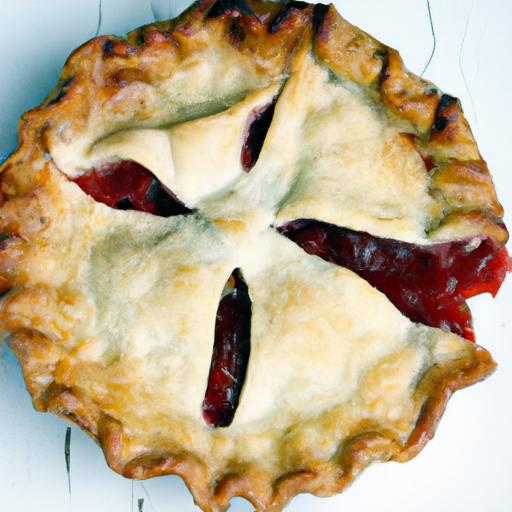
The Sweet Science Behind Perfectly Baked Cherry Pie Delights begins with unlocking the secrets that transform simple ingredients into a symphony of flavors and textures-a pie that melts in your mouth with just the right balance of sweetness and tang. Originating in the heart of traditional homestyle baking, cherry pie has long been cherished for its vibrant red filling nestled beneath a golden, flaky crust. This culinary masterpiece invites not only expert bakers but enthusiasts to explore the chemistry behind each layer, ensuring every bite delivers the ideal harmony of luscious cherries and irresistibly crisp pastry.
Prep and Cook Time
- Preparation: 30 minutes
- Cooking: 50 minutes
- Total: 1 hour 20 minutes
Yield
Serves 8 generous slices
Difficulty Level
Medium – perfect for bakers ready to elevate their pie-making craft
Ingredients
- 1 1/4 cups all-purpose flour, sifted
- 1/4 cup granulated sugar
- 1/2 tsp salt
- 1/2 cup unsalted butter, chilled and cubed
- 3-4 tbsp ice water
- 5 cups pitted fresh cherries (a mix of tart Morello and sweet Bing cherries enhances balance)
- 1 cup granulated sugar (adjust by tartness preference)
- 1/4 cup cornstarch
- 1 tbsp freshly squeezed lemon juice
- 1 tsp vanilla extract
- 1 tbsp unsalted butter, cut into small pieces (for dotting filling)
- 1 egg, beaten (for egg wash)
- 1 tbsp coarse sugar (optional, for sprinkling)
Instructions
- Prepare the crust: In a large bowl, whisk together flour, sugar, and salt. Add chilled butter cubes, and use a pastry blender or fingertips to cut butter into flour until mixture resembles coarse crumbs with pea-sized bits.
- Add ice water gradually: Mix in 3 tablespoons of cold water, stirring just until the dough begins to clump. If dry, add 1 more tablespoon. Form dough into a disc, wrap in plastic wrap, and chill for at least 1 hour.
- Prepare cherry filling: In a large bowl, toss pitted cherries with sugar, cornstarch, lemon juice, and vanilla. The chemistry here thickens the juices as you bake, so ensure the cornstarch is well incorporated for perfect viscosity.
- Roll out dough: Lightly flour a surface and roll half the dough into a 12-inch circle. Transfer to a 9-inch pie dish, allowing excess dough to hang over edges.
- Assemble filling: Pour cherry filling into the crust-lined dish. Dot with small butter pieces-this enriches flavor and creates pockets of lusciousness while baking.
- Top crust or lattice: Roll out remaining dough for a full top or cut into strips for a lattice pattern. Trim excess dough, pinch edges to seal, and crimp decoratively to encourage even rising.
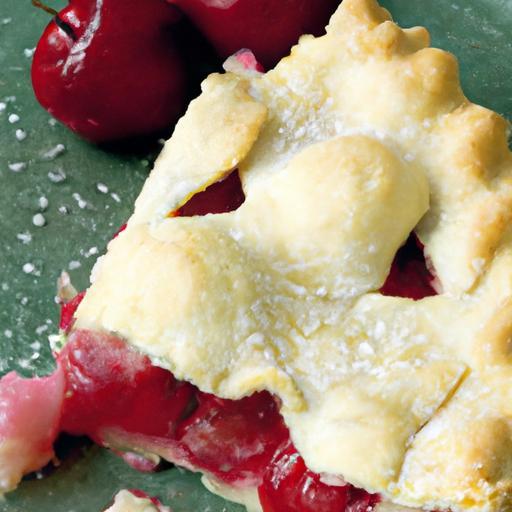
- Apply egg wash: Brush the top crust gently with beaten egg, then sprinkle lightly with coarse sugar for a golden, sparkly finish.
- Bake meticulously: Preheat oven to 400°F (205°C). Bake pie on the middle rack for 20 minutes, then reduce heat to 350°F (175°C) and bake for an additional 30 minutes, or until crust is deeply golden and filling bubbles. Rotate halfway for even baking and a perfect golden crust every time.
- Cool before serving: Allow pie to cool at least 2 hours so filling sets and slicing is clean.
Tips for Success
- Combine tart and sweet cherry varieties like Morello and Bing for an ideal balance of sweetness and tartness, enhancing the natural chemistry of the filling.
- Keep all crust ingredients chilled to encourage flakiness-warm butter or water results in dense, tough pastry.
- Don’t overmix the filling to maintain the fresh cherry texture; the cornstarch activates only during baking for optimal thickness.
- Use a baking sheet beneath the pie to catch potential drips and keep your oven spotless.
- Make crust ahead by preparing dough and freezing it wrapped tightly for up to 3 days, thawed before rolling.
- For those who prefer a double crust, crimp edges firmly to retain juices without leaking.
Serving Suggestions
Present slices warm or at room temperature with a scoop of vanilla bean ice cream or dollop of fresh whipped cream. Garnish with a sprig of fresh mint or a light dusting of powdered sugar for an extra touch of elegance. Pair alongside a fresh herbal tea for a cozy afternoon treat or serve with sparkling cider for festive celebrations.

| Nutrient | Per Serving |
|---|---|
| Calories | 320 kcal |
| Protein | 3 g |
| Carbohydrates | 48 g |
| Fat | 12 g |
For further insight into the chemistry and science behind fruit pie thickeners, visit Serious Eats – The Food Lab. Interested in exploring more on crust crafting? Check our guide on Mastering Flaky Pie Crust Techniques for additional expert tips.
Q&A
Q&A: The Sweet Science Behind Perfectly Baked Cherry Pie Delights
Q1: What makes cherry pie such a beloved dessert around the world?
A1: Cherry pie captivates with its harmonious blend of tart and sweet flavors, contrasted by a flaky crust that melts in your mouth. The vibrant red hues and juicy cherries create an inviting visual, while the balance of sugar and acidity triggers delightful taste sensations. It’s a dessert that combines sensory appeal with nostalgic comfort, making it a timeless favorite.
Q2: How do cherries behave during baking, and why is understanding this important?
A2: Cherries release their juices when heated, which can either enrich the filling or cause it to become soggy. Understanding the chemistry of cherries-how their natural pectin and acidity affect thickness and flavor-helps bakers stabilize the filling and achieve that perfect, luscious consistency without runniness.
Q3: What role does sugar play in the cherry pie filling?
A3: Sugar isn’t just about sweetness-it’s a crucial player in drawing out the cherries’ natural juice and balancing their tartness. It also helps the filling to thicken as it interacts with the fruit’s pectin, creating a glossy, syrupy texture that clings perfectly to each bite.
Q4: Can you explain the importance of crust texture in a cherry pie?
A4: The crust is the foundation of every great cherry pie-ideally buttery, flaky, and tender. The science lies in fat distribution and temperature control during mixing and baking. Cold butter creates steam pockets when baked, resulting in layered flakiness. Overworking the dough or using warm ingredients can develop too much gluten, making the crust tough rather than tender.
Q5: What is the secret to avoiding a soggy bottom when baking cherry pies?
A5: To prevent sogginess, techniques like blind baking the crust beforehand, mixing cornstarch or tapioca into the filling as thickeners, and ensuring the filling isn’t overly watery are key. Additionally, baking the pie on a lower oven rack allows the heat to crisp up the bottom crust while the filling cooks to just the right consistency.
Q6: How does ventilation in the pie crust affect baking?
A6: Ventilation slits or lattices allow steam to escape during baking, which prevents excessive moisture buildup inside the pie. This helps maintain a crisp crust and keeps the filling from bubbling over, ensuring that the pie looks as elegant as it tastes.
Q7: Why is choosing the right type of cherry important for pie filling?
A7: Different cherry varieties have distinct flavor profiles and sugar-to-acid ratios. Tart cherries, like Montmorency, are preferred for their bright acidity and robustness that stands up to baking and sugar. Using naturally tart cherries means you can balance sweetness without overpowering the flavor, resulting in a pie that’s fresh and lively.
Q8: Can warming spices improve the flavor of cherry pie?
A8: Absolutely! Spices like cinnamon, nutmeg, and a touch of allspice can deepen the flavor profile, enhancing the warmth and complexity of the cherries without overwhelming their natural taste. These spices accentuate the pie’s cozy, comforting qualities and add aromatic layers that linger with every bite.
Q9: How does baking time influence the final texture and flavor of cherry pie?
A9: Baking time and temperature control how the filling thickens and how the crust browns. Too short, and the filling might be runny; too long, and the crust risks burning or drying out. Achieving a golden-brown crust with bubbling, glossy filling signals the perfect balance of caramelization and fruit cooking.
Q10: What simple tips can home bakers use to elevate their cherry pies?
A10: Use fresh, ripe cherries for the brightest flavor; keep ingredients cold when making crust; incorporate a thickening agent like tapioca; add lemon zest for a citrusy zing; and don’t rush the baking process. Most importantly, trust your instincts and enjoy the process-after all, pie-making is as much an art as it is a science!
The Way Forward
As the final slice of cherry pie melts on your tongue, you’re not just savoring a dessert-you’re tasting the harmonious dance of science and tradition. From the delicate balance of tart cherries and sugar to the precise Maillard reactions that crisp the golden crust, every element plays its part in this sweet symphony. Understanding the chemistry behind each flaky layer and luscious filling transforms baking from a routine into a rewarding art. So the next time you pull a perfectly baked cherry pie from the oven, remember: you’re not just indulging in a beloved classic, you’re celebrating the marvels of culinary science, one delicious bite at a time.