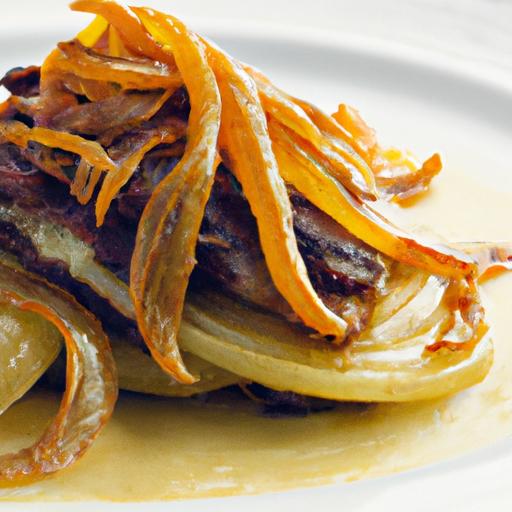

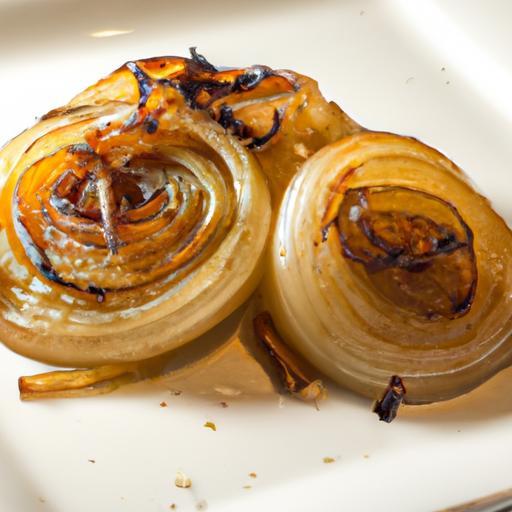

There’s a magic that happens when simple onions transform into golden strands of sweet, savory indulgence. Caramelizing onions is not just a cooking technique-it’s an alchemy that unlocks layers of flavor hidden within humble bulbs. Whether you’re a seasoned chef or a curious home cook, mastering the art of caramelizing onions will elevate your dishes from everyday to extraordinary. In this article, we’ll explore the secrets, tips, and science behind this slow-cooked sweetness, guiding you step-by-step to create rich, melt-in-your-mouth onions that add depth and warmth to everything they touch. Get ready to unlock sweetness like never before.
Understanding the Science Behind Onion Caramelization
Unlock Sweetness: Master the Art of Caramelizing Onions begins with understanding why onions transform from pungent bulbs into luscious golden jewels bursting with natural sugars. This alchemy happens through a slow process called caramelization, where heat breaks down onion sugars and proteins, creating complex flavors and rich aromas that elevate every dish.
Onions contain natural sugars (mainly fructose and glucose) and amino acids that react under low, steady heat to produce those signature browned edges and flavors. The Maillard reaction-a chemical interaction between amino acids and reducing sugars-also plays a vital role, enhancing savory depth alongside the sweet notes. When done correctly, this process yields onions that are tender, sweet, and melt-in-your-mouth, with subtle nutty and umami undertones.
Choosing the Perfect Onion Varieties for Maximum Sweetness
Not all onions caramelize equally. For maximum sweetness, select varieties with higher sugar content such as Vidalia, Maui, or Bermuda onions. These types start with a natural sweetness that only intensifies during cooking. Yellow onions are versatile and widely favored for caramelization due to their balance of sharpness and sugar. Red onions also caramelize beautifully, lending a fruity, slightly tart note and appealing color that can add a vibrant twist.
For the crispiest, richest caramelized onions, avoid pungent white onions or overly dry storage onions-they tend to lack the sugar density needed for that luscious finish. Fresh, firm onions free from bruises and sprouts always deliver better results.
Step by Step Techniques for Achieving Golden, Melt-in-Your-Mouth Onions
- Slice evenly. Aim for uniform thickness, approximately 1/8 to 1/4 inch, to ensure consistent cooking and caramelization.
- Choose the right pan. Use a heavy-bottomed skillet (cast iron or stainless steel) for even heat distribution.
- Start with moderate heat. Add 2 tablespoons of unsalted butter or neutral oil to the pan and melt over medium heat.
- Add onions in a single layer. Avoid overcrowding so every slice makes contact with the pan surface.
- Stir occasionally. Cook slowly for 30 to 45 minutes, stirring every 5 minutes to prevent burning and promote even browning.
- Add a pinch of salt. This helps draw moisture from the onions early on, speeding up the softening process.
- Deglaze when needed. Use a splash of water or vegetable broth to loosen fond from the pan, intensifying flavor without adding fat.
- Don’t rush. Patience is key – caramelization cannot be hurried. Keep heat low or medium-low if browning too quickly, and allow onions to gradually reach deep amber tones and silky texture.
Creative Culinary Uses to Elevate Your Dishes with Caramelized Onions
Caramelized onions are a secret weapon in any kitchen, infusing dishes with a luxurious sweetness and rich umami complexity. Here are inspiring ways to incorporate them:
- Gourmet sandwiches and burgers: Layer these golden ribbons alongside sharp cheeses like Gruyère or aged cheddar for bursts of sweet-savory contrast.
- Homemade flatbreads or pizzas: Dot caramelized onions over a creamy ricotta base, topped with fresh herbs and a drizzle of balsamic glaze.
- Soups and stews: Stir into French onion soup for that authentic, sweet foundation or fold into your favorite hearty stew for depth.
- Vegetable tarts and quiches: Blend with caramelized shallots or mushrooms for a decadent filling that pairs beautifully with flaky pastry.
- Grain bowls and salads: Add warm caramelized onions to roasted vegetable bowls or crisp greens topped with nuts and vinaigrette.
Once you unlock sweetness through mastering this timeless technique, caramelized onions become a versatile component that can transform everyday meals into memorable culinary experiences.
Prep and Cook Time
- Preparation: 10 minutes
- Cooking: 35-45 minutes
Yield
Approximately 3 cups of caramelized onions, suitable for 6 servings as a garnish or flavor boost.
Difficulty Level
Easy to Medium – requires patience and regular attention, but simple techniques.
Ingredients
- 3 large sweet onions (Vidalia or yellow), peeled and thinly sliced
- 2 tablespoons unsalted butter or vegetable oil
- 1/2 teaspoon fine sea salt
- 2 tablespoons water or low-sodium vegetable broth (optional, for deglazing)
Instructions
- Prepare your onions: Slice the onions evenly to about 1/4 inch thickness to ensure consistent cooking.
- Heat your pan: Place a heavy skillet over medium heat and melt the butter until foaming but not browned.
- Add onions and salt: Spread the onions in a single, even layer in the pan; sprinkle with salt to help draw out moisture.
- Cook slowly: Gently stir every 5 minutes to prevent sticking and promote even browning. Adjust heat to medium-low if onions brown too quickly.
- Deglaze as needed: When you notice sticky brown bits forming on the pan bottom, pour in a tablespoon of water or broth to scrape them up and deepen flavor.
- Continue cooking: Cook for 30-45 minutes total until onions are tender, golden brown, and silky, resembling melted ribbons.
- Finish and cool: Remove from pan and let cool slightly before serving or storing.
Tips for Success
- Patience is essential. Resist temptation to rush. Slow cooking is what unlocks the sweetness and perfect texture.
- Stir frequently but not constantly. Enough to keep onions from sticking, but too much stirring interferes with caramelization.
- Use a heavy pan. This prevents hot spots and uneven cooking.
- Make ahead: Prepare caramelized onions in advance and refrigerate in an airtight container for up to 5 days, or freeze in portions.
- Add herbs or spices: For variations, incorporate thyme, bay leaf, or a splash of balsamic vinegar near the end for nuanced flavor layers.
Serving Suggestions
Sprinkle caramelized onions over cheesy mashed potatoes or mix them into a creamy risotto for an indulgent depth. Garnish pizzas with fresh thyme and a drizzle of extra virgin olive oil before serving. For a lighter option, toss warm caramelized onions into a mixed grain salad with fresh parsley and toasted walnuts. Their sweet-savory complexity also makes them a perfect topping for roasted vegetables or grilled portobello mushrooms.
| Nutrient | Per 1/2 Cup Serving |
|---|---|
| Calories | 70 |
| Protein | 1g |
| Carbohydrates | 16g |
| Fat | 3g |

For more savory techniques, explore how to roast vegetables to perfection. To deepen your culinary knowledge, check out the science of browning and flavor development on Serious Eats.
Q&A
Q&A: Unlock Sweetness: Master the Art of Caramelizing Onions
Q1: Why does caramelizing onions take so long, and why is patience important?
A1: Caramelizing onions is a slow dance between heat and time. The natural sugars within the onions need to melt and gently brown, creating deep, sweet, and complex flavors. Rushing the process with high heat burns the onions, leading to bitterness instead of the golden, luscious sweetness you crave. Patience is key – let time work its magic to unlock layers of flavor.
Q2: What kind of onions work best for caramelizing?
A2: While yellow onions are the classic choice for their balance of sweetness and sharpness, red, white, or even sweet onions can caramelize beautifully. Each variety lends a slightly different note-yellow onions provide a rich, nutty backdrop; red onions introduce a beautiful hue and subtle fruitiness; white onions offer a lighter, milder taste.
Q3: What’s the best fat to use when caramelizing onions?
A3: Butter is the star of the show, lending creaminess and enhancing the sweet depth. However, a neutral oil like vegetable or grapeseed oil is also great to prevent burning and to allow the onions’ natural sugars to develop fully. Many cooks blend both butter and oil to balance flavor and cooking control.
Q4: How does salt influence the caramelizing process?
A4: Salt is the secret unlocker. Sprinkling a pinch early on draws out moisture from the onions, speeding up softness and softening their texture without drying them too quickly. It also intensifies the natural sweetness that emerges during caramelization.
Q5: Can I caramelize onions without a non-stick pan?
A5: Absolutely! A heavy-bottomed skillet, like a cast iron or stainless steel pan, works excellently. The key is to monitor heat closely to prevent sticking and burning. Stir regularly, and if the onions cling too much, a splash of water will help you loosen them while keeping the transformation smooth and golden.
Q6: What flavor nuances develop during caramelization?
A6: The transformation from raw onion to caramelized delight is like alchemy. Initial sharpness softens into creamy, honeyed sweetness, with hints of nuttiness and a subtle earthiness. This complexity is what makes caramelized onions the perfect base or accent for countless dishes-from soups and sauces to flatbreads and grain bowls.
Q7: How can I tell when my onions are perfectly caramelized?
A7: Look for a deep amber or golden-brown color, a silky texture, and a rich, sweet aroma filling your kitchen. The onions should have shrunk significantly, almost melting in your mouth without any burnt edges. Taste is your best guide-the flavor will be sweet, mellow, and utterly irresistible.
Q8: Can caramelized onions be made ahead and stored?
A8: Yes! Caramelized onions keep beautifully in an airtight container in the fridge for up to a week. You can also freeze them for longer storage. They reheat wonderfully as a flavor booster, ready to deepen sauces, elevate sandwiches, or crown your favorite dishes.
Q9: What common mistakes should I avoid when caramelizing onions?
A9: The biggest slip-ups include using too high heat, crowding the pan, or neglecting to stir. High heat scorches onions instead of gently drawing out their sugars. Overcrowding traps moisture, leading to steaming rather than browning. And forgetting to stir risks uneven cooking and burning. Slow, steady cooking with a watchful eye yields the best golden sweetness.
Q10: How can I use caramelized onions to enhance my everyday cooking?
A10: Think beyond mere toppings-caramelized onions are flavor gold. Mix them into mashed potatoes for a savory-sweet twist, layer them in grilled vegetable sandwiches, swirl into creamy soups, or fold into scrambled eggs. Their sweet umami-rich personality transforms ordinary dishes into unforgettable creations with effortless flair.
The Conclusion
As the golden strands of caramelized onions melt into your dishes, you unlock a world of deep, sweet flavors that transform the ordinary into the extraordinary. Mastering the art of caramelizing onions is more than a technique-it’s a journey of patience, attention, and love that elevates your cooking to new heights. So, embrace the slow sizzle, let time work its magic, and watch as humble onions evolve into culinary gold, ready to enchant every bite. Your kitchen awaits this sweet, savory secret-now it’s time to make it your own.