

In the vibrant world of culinary delights, few dishes capture the essence of simplicity and sophistication quite like pesto pasta. This verdant masterpiece, with its emerald-green sauce bursting with fresh basil, garlic, pine nuts, and Parmesan, has long enchanted taste buds across the globe. But behind pesto’s seemingly effortless charm lies a delicate balance of art and science-a harmony of flavors and techniques that transforms humble ingredients into a sensory experience. In “Unlocking Flavor: The Art and Science of Pesto Pasta,” we delve deep into what makes this classic Italian staple so irresistibly delicious, exploring the secrets of ingredient selection, the chemistry of blending, and the timeless traditions that elevate pesto pasta from a mere meal to a celebration of taste.
The Origins and Evolution of Pesto Pasta
Unlocking flavor begins with understanding the rich heritage of pesto pasta, a hallmark of Ligurian culinary tradition originating in Genoa, Italy. This vibrant green sauce began as a simple combination of fresh basil, garlic, pine nuts, Parmesan cheese, and extra virgin olive oil, crushed by hand in a mortar and pestle. Over centuries, it has evolved beyond its regional roots, inspiring countless variations worldwide, yet the foundation remains the same: a celebration of fresh, garden-picked ingredients and rustic technique.
The versatility and allure of pesto pasta make it not only a staple in Italian households but a universal favorite for those seeking fresh, herbaceous, and aromatic flavors. Its unmistakable green hue and lively taste conjure memories of Mediterranean sunlit gardens, making it a dish both timeless and soul-satisfying.
Selecting the Perfect Basil and Ingredients for Authentic Flavor
The journey to unlocking flavor starts with choosing the freshest, most fragrant basil possible-preferably Genovese basil, prized for its gentle, sweet, and slightly peppery notes. Look for bright green leaves without blemishes or yellowing. Avoid store-bought pre-bunched basil when possible, opting instead for herb gardens or local farmers’ markets.
Pair basil with fresh garlic cloves, fragrant pine nuts, and high-quality Parmigiano-Reggiano or Grana Padano cheeses. The backbone of authentic pesto lies in the rich, grassy sweetness of basil; the pungency of garlic; the butteriness and slight crunch of pine nuts; the savory, umami impact of cheese; and the smooth, fruity drizzle of extra virgin olive oil. For a modern twist, some chefs incorporate walnuts or almonds, but pine nuts remain the classic choice.

Techniques to Achieve the Ideal Pesto Texture and Aroma
Achieving the perfect pesto texture is an art form. Traditionalists still swear by the mortar and pestle, which gently crushes the basil to release its essential oils without bruising too harshly, preserving vibrant color and fresh aroma. If time or equipment limits you, a food processor works well-but pulse carefully to avoid overheating and dulling the basil’s bright green pigment.
Start by lightly sautéing the pine nuts in a dry pan until golden and aromatic-this enhances their nutty flavor and warmth. Next, combine garlic and basil leaves with just enough olive oil to suspend the herbs into a creamy paste. Gradually fold in grated cheese and toasted pine nuts without over-processing. The ideal pesto should be slightly coarse, showcasing flecks of leaves and finely ground nuts, not a uniform puree.
To truly unlock flavor, allow your pesto to rest for 15-20 minutes at room temperature before incorporating it with pasta; this encourages melding of flavors and the full release of perfume.
Pairing Pasta Shapes and Serving Tips for Maximum Enjoyment
Not all pastas were created equal when it comes to pesto. For optimal flavor absorption and presentation, choose shapes that hold the sauce well-fusilli, trofie (a Ligurian staple), trenette, or even orecchiette. Their curves and grooves catch the pesto, ensuring each bite bursts with the sauce’s herbal richness.
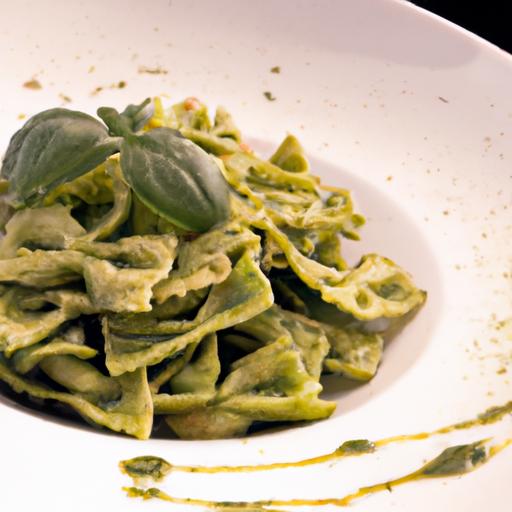
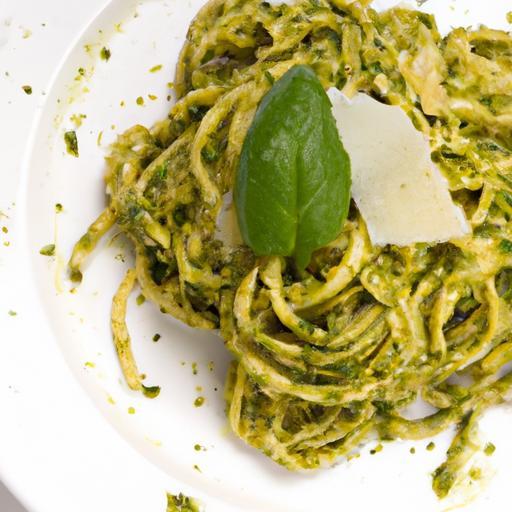
Serve pesto pasta immediately, garnishing with a drizzle of extra olive oil, a sprinkle of grated cheese, and freshly cracked black pepper. A few whole basil leaves or toasted pine nuts bring an elevated textural contrast and visual appeal. For a fresh touch, add halved cherry tomatoes or a side of crisp green beans tossed with lemon zest to complement the dish’s creamy opulence.
Because pesto is intense and herbaceous, lighter sides like a mixed green salad with lemon vinaigrette create an ideal balance, while crusty bread invites you to savor every drop of this luscious sauce.
Prep and Cook Time
- Prep Time: 15 minutes
- Cook Time: 10 minutes
- Total Time: 25 minutes
Yield
- Serves 4
Difficulty Level
- Easy to Medium
Ingredients
- 2 cups fresh Genovese basil leaves, packed
- 1/3 cup pine nuts, lightly toasted
- 2 cloves garlic, peeled
- 3/4 cup freshly grated Parmigiano-Reggiano cheese
- 3/4 cup extra virgin olive oil
- Salt, to taste
- 1 lb fusilli pasta or preferred shape
- Freshly cracked black pepper, for garnish
- Optional: Cherry tomatoes and extra basil leaves for serving
Instructions
- Toast the pine nuts in a dry skillet over medium heat until golden and fragrant, about 3-5 minutes. Stir frequently to prevent burning. Set aside to cool.
- Cook the pasta in a large pot of salted boiling water according to package instructions until al dente. Reserve 1 cup of pasta water, then drain.
- Prepare the pesto sauce: In a mortar and pestle or food processor, combine garlic and pine nuts. Grind or pulse until finely chopped.
- Add basil leaves a handful at a time, crushing gently to release oils, then slowly drizzle in olive oil to create a smooth, slightly coarse paste.
- Mix in grated cheese and season with salt. Adjust consistency with reserved pasta water to achieve a creamy texture that clings to the pasta.
- Combine: Toss the drained pasta with pesto sauce, adding extra pasta water if needed to coat each piece evenly.
- Serve immediately, garnished with cracked black pepper, extra basil leaves, and toasted pine nuts. For a fresh twist, scatter halved cherry tomatoes on top.
Tips for Success
- Freshness is paramount: Use basil leaves washed and thoroughly dried to avoid watery pesto.
- Control bitterness: Discard basil stems, which can add unwanted bitterness.
- To save time: Toast pine nuts in bulk and store in an airtight container for up to one week.
- Make ahead: Pesto can be refrigerated up to 3 days in an airtight jar with olive oil sealing the surface to prevent oxidation.
- Substitutions: Use Pecorino Romano cheese for a sharper punch; swap pine nuts for walnuts in case of nut sensitivities.
Serving Suggestions
For an elegant presentation, plate pesto pasta in shallow bowls, garnished with a sprig of fresh basil and a final drizzle of extra virgin olive oil. Pair with a crisp white Italian wine like Vermentino or a refreshing sparkling water with lemon slices. Add a side of roasted seasonal vegetables or fresh green beans dressed lightly with lemon and olive oil for a complete, balanced meal.
| Nutrient | Per Serving |
|---|---|
| Calories | 480 |
| Protein | 18g |
| Carbohydrates | 55g |
| Fat | 20g |
Discover more ways to elevate your pasta dishes in our Guide to Pasta Sauces. For deeper insights into basil cultivation and pesto history, visit Britannica’s pesto overview.
Q&A
Q&A: Unlocking Flavor: The Art and Science of Pesto Pasta
Q1: What makes pesto pasta such a timeless and beloved dish?
A1: Pesto pasta captivates because it’s the perfect harmony of fresh, vibrant flavors and simple ingredients that come together effortlessly. The bright basil, nutty pine nuts, pungent garlic, and sharp Parmesan, blended with olive oil, create a sauce that’s both rich and refreshing. It’s a dish that celebrates the essence of Italian cooking-quality ingredients, minimal fuss, and maximum flavor.
Q2: How does the choice of basil affect the overall flavor of pesto?
A2: Basil is the heart of pesto. Sweet Genovese basil is the classic choice, prized for its bright, peppery, and aromatic notes. Some wild or purple basil varieties bring earthier or spicier undertones, adding complexity. Freshness is key-vibrant basil leaves give pesto its signature lively taste, while older or bruised leaves can introduce bitterness.
Q3: Can I experiment with nuts other than pine nuts in my pesto?
A3: Absolutely! While pine nuts are traditional, walnuts, almonds, or pecans can bring delightful variations. Walnuts offer a deeper, more robust flavor; almonds add a subtle sweetness; and pecans bring a buttery warmth. Each nut alters the texture and nuttiness, so feel free to explore until you find your perfect match.
Q4: Why does the order of adding ingredients matter when making pesto?
A4: The layering process is crucial. Crushing garlic first releases its sharp aroma, followed by nuts to develop their oils and flavors. Basil added after helps preserve its freshness and vibrant color. Finally, olive oil binds everything smoothly. This sequence ensures each ingredient shines without overpowering the rest, resulting in a well-rounded pesto.
Q5: What’s the secret to integrating pesto with pasta for maximum flavor?
A5: Timing and technique are everything. Toss freshly cooked, hot pasta immediately with pesto-off the heat-to allow the sauce to gently coat each strand or shape. Adding a splash of reserved pasta water creates a silky emulsion, helping pesto cling while balancing intensity. This method unlocks the full flavor, making every bite luscious and aromatic.
Q6: Are there alternatives to Parmesan for those avoiding dairy?
A6: Indeed! Nutritional yeast is a fantastic dairy-free substitute, providing a cheesy, nutty note. Blended toasted nuts with a pinch of sea salt can enhance umami richness too. For a creamier twist, a touch of mashed avocado or soaked cashews can lend body while keeping it vibrant and plant-based.
Q7: How can I store leftover pesto to preserve its flavor and color?
A7: Fresh pesto should be refrigerated in an airtight container with a thin layer of olive oil on top to prevent oxidation and browning. For longer storage, pesto freezes beautifully in ice cube trays, making it easy to portion out for future meals without sacrificing flavor.
Q8: How does the scientific principle of emulsification play a role in making pesto?
A8: Emulsification-mixing oil and water-based ingredients so they bind together-is key to pesto’s luscious texture. As olive oil blends with the basil’s water content and cheese’s moisture, tiny droplets disperse evenly, creating a smooth, cohesive sauce. This balance slows separation and intensifies flavor integration.
Q9: Can pesto be paired with other pastas beyond spaghetti?
A9: Definitely! Pesto’s versatility shines with shapes that catch its texture-trofie, fusilli, orecchiette, or even farfalle serve as miniature flavor pockets. The ridges and twists hold the rich sauce better, ensuring every bite bursts with that classic herbaceous punch.
Q10: What creative twists can elevate a traditional pesto pasta dish?
A10: Consider adding seasonal vegetables like cherry tomatoes, asparagus tips, or roasted bell peppers for freshness and color. A sprinkle of toasted seeds or fresh herbs such as mint or parsley can add unexpected layers. Drizzling a touch of lemon zest or high-quality extra virgin olive oil just before serving brightens the whole dish, transforming simple pesto pasta into a gourmet experience.
The Way Forward
As we twirl our forks through the vibrant green strands of pesto pasta, we uncover more than just a dish-we unlock a timeless tradition where science meets artistry. From the aromatic basil leaves crushed to perfection, to the harmonious dance of pine nuts, garlic, and Parmesan, each ingredient plays a crucial role in crafting those unforgettable flavors. Understanding the delicate balance of textures and tastes not only elevates your culinary creations but also invites you to experiment and make the pesto your own. So, whether you’re a seasoned chef or a curious home cook, embrace the journey of pesto pasta-a simple dish transformed into an extraordinary symphony of flavor, waiting to be discovered in every bite.